
Introduction
The UK Government’s Warm Homes Plan is being hailed as one of the largest home energy upgrade initiatives in British history. Announced by the Department for Energy Security and Net Zero, this multi-billion-pound programme aims to help millions of households save money on energy bills, modernise inefficient homes, and cut carbon emissions — all while making low-carbon technologies more affordable and accessible. (GOV.UK)
The Warm Homes Plan is a £15 billion UK Government initiative designed to upgrade homes across the country and permanently reduce energy bills for consumers. It forms part of wider energy security and Net Zero strategies, calling for deep improvements in how homes are insulated, heated, and powered. (GOV.UK)
Key goals include:
Cutting energy bills long-term
Reducing fuel poverty
Upgrading up to five million UK homes by 2030
Supporting vulnerable households and renters
Helping meet Net Zero carbon targets
The plan combines grants, low and zero-interest loans, and targeted funding to help households adopt energy-saving upgrades. (Energy Saving Trust)
A core focus of the Warm Homes Plan is to ensure households in fuel poverty or on lower incomes can access fully funded upgrades. These can include:
Solar panels
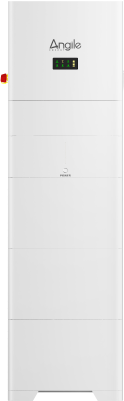
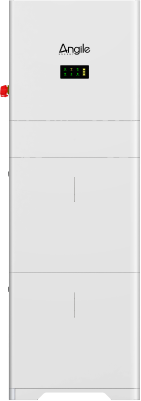
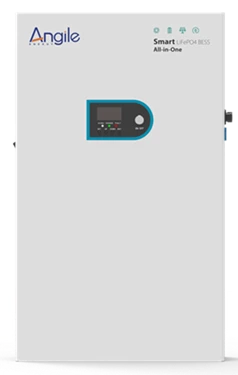
Home batteries and energy storage
Heat pumps (air- and ground-source)
Smart heating controls
Insulation and draught-proofing (Energy Saving Trust)
These measures can be worth £9,000–£12,000 per home and could potentially save households up to around £850 or more every year on energy bills — especially when replacing older, inefficient systems with low-carbon alternatives. (Energy Saving Trust)
For households who don’t qualify for full grants, the plan introduces government-backed low and zero-interest loans that can be used to pay for:Solar panel installations;Home battery systems;Heat pumps;Insulation upgrades;Smart home technology (Energy Saving Trust)
This universal support package opens up energy efficiency upgrades to a far wider range of UK households, not just those on lower incomes. (Reddit)
Through funds like the Warm Homes: Local Grant and the Warm Homes: Social Housing Fund, local authorities and social housing providers can upgrade the worst-performing homes — improving comfort and reducing energy costs for renters and wider community groups. (BB Partnership)
Up to 170,000 homes were earmarked for improvement through these allocations, helping families stay warmer and cut bills. (GOV.UK)
Rather than temporary support or seasonal rebates, the plan focuses on structural improvements that reduce how much energy a home needs, such as better insulation and efficient heating systems. These improvements can translate into hundreds of pounds in annual savings for households. (GOV.UK)
Installing technologies like solar panels combined with home batteries helps households generate and store their own renewable energy — reducing reliance on grid electricity and shielding them from price spikes. (Ideal Home)
The Government estimates the Warm Homes Plan could help lift up to one million families out of fuel poverty by 2030, particularly those living in older, energy-inefficient housing. (GOV.UK)
The plan also includes measures to improve energy performance standards for rented homes, ensuring private tenants see warmer, cheaper-to-run properties — a major change in the UK housing market. (Warm Home Plan)
One important technology included under the Warm Homes Plan is home energy storage (battery systems). These systems are valuable because they:
Allow homes with solar panels to store excess energy generated during the day
Reduce reliance on grid power during peak tariff hours
Provide backup power during outages or instability
Maximise overall savings and self-consumption
With support available for battery systems through grants and loans, more UK homeowners now have the opportunity to future-proof their homes with green technology — lowering costs and reducing carbon emissions in the process. (Energy Saving Trust)
If you’re a homeowner in the UK:
Check eligibility for Warm Homes Plan grants or low-interest loans
Assess your current home energy performance (EPC rating can be key)
Consider paired solutions like solar panels + home battery + heat pump
Work with accredited installers to maximise quality and savings
Government guidance and local authority schemes often begin with an eligibility check and home survey, so taking the first step now can help you access funding and begin savings sooner. (Energy Saving Trust)
The UK’s Warm Homes Plan represents a major shift in how the Government supports households with rising energy costs and decarbonisation goals. By combining grants, loans, and targeted support, the plan makes energy-saving technologies — including solar panels, home batteries, heat pumps and insulation — far more accessible to millions of UK families.
For homeowners looking to reduce bills, increase comfort, and invest in long-term energy efficiency, the Warm Homes Plan is a significant opportunity worth exploring. (GOV.UK)