

Choosing an off-grid energy storage system is not just about buying more power. The right size depends on which appliances you need to run, how often they operate together, and how long you need electricity when solar production is low.
For a small cabin or a property with basic electricity needs, a 3kW system may be enough. A 5kW system offers more power for homes or workspaces with higher demand. Here is how to decide which option suits your situation.
Table of Contents
1. What Is the Difference Between 3kW and 5kW?
The main difference is the amount of electrical power the inverter can supply at one time. A 3kW inverter provides up to 3,000 watts of rated output, while a 5kW inverter provides up to 5,000 watts, subject to its specifications and operating conditions.
| Feature | 3kW System | 5kW System |
|---|---|---|
| Rated inverter power | 3,000W | 5,000W |
| Typical application | Small cabins, essential loads | Larger homes, farms, workshops |
| Simultaneous appliances | Fewer high-power appliances | More room for overlapping loads |
| Expansion planning | Suitable for simpler needs | More power headroom |
| Best suited for | Lower power demand | Higher power demand |
Important: Inverter power and battery capacity are different. The inverter determines how much power can be supplied at once, while battery capacity, measured in kWh, affects how long that power can be delivered.
2. What Can a 3kW Off-Grid System Run?
A 3kW off-grid system can suit a small property where electricity demand is relatively low. Typical essential loads include LED lighting, a refrigerator, internet equipment, laptops, televisions, and phone chargers.
It can also support some small kitchen appliances, depending on their power requirements and which other devices are running.
However, high-power appliances need careful planning. An electric kettle, microwave, water pump, and refrigerator may not all operate together within a 3kW limit. Motors can also require extra power when starting.
A 3kW system is worth considering if you want to power essential equipment, have a clear daily energy budget, and can schedule heavier appliances at different times.
3. When Should You Choose a 5kW System?
A 5kW off-grid system provides more flexibility when several appliances need to operate simultaneously. It may be a better fit for a small rural home, farm building, workshop, or property with regular water-pumping needs.
For example, you may want to run lighting, refrigeration, a computer, and a water pump at the same time. A 5kW inverter offers more power headroom than a 3kW model, although the actual combination must still be checked against the appliance ratings and inverter specifications.
A larger inverter does not automatically mean longer backup time. If both systems use the same usable battery capacity and supply the same load, their available backup energy may be similar.
Quick tip: Choose 5kW when your measured peak demand exceeds what a 3kW system can reliably handle, or when you expect your electricity needs to increase.
4. How Much Battery Capacity Do You Need?
Battery capacity is another important part of off-grid system design. A suitable inverter can still provide poor backup performance if the battery is too small.
Start by estimating your daily electricity consumption. Multiply each appliance's power by the hours it operates, then add the results.
For example, a group of appliances consuming 2kW for three hours uses 6kWh of energy. Your battery must provide enough usable energy to cover the required operating period, allowing for conversion losses and the battery's permitted depth of discharge.
Solar panel capacity also matters. In Europe, shorter winter days and cloudy weather can reduce solar production. The system should therefore be designed around your location, seasonal energy demand, and required backup time.
5. How to Choose the Right Off-Grid System
Before buying, ask yourself five questions:
- What is the combined power of the appliances that may run together?
- Which appliances have high startup power?
- How many hours of backup electricity do you need?
- Can your solar panels recharge the battery during the weaker solar months?
- Are the inverter, battery, and protection equipment compatible?
A 3kW system is a sensible starting point for essential loads and lower simultaneous demand. A 5kW system is generally more suitable when several appliances must operate together or when you need additional power headroom.
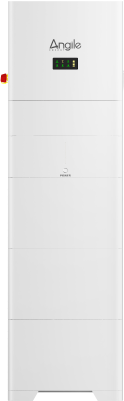
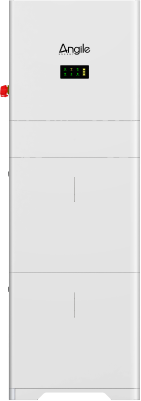
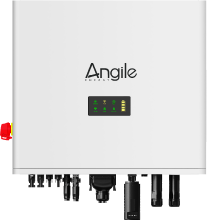
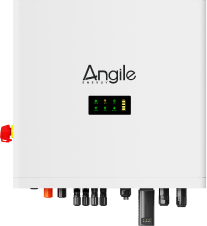
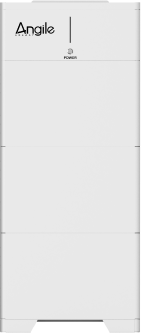
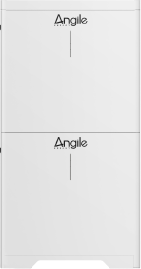
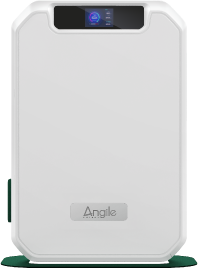
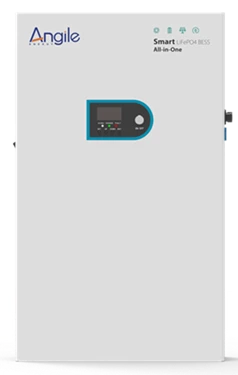
Angile Energy provides off-grid energy storage options alongside its residential and other energy storage solutions. Visit the Angile Energy official website to learn more about the company and its energy solutions.
You can also explore the Angile Energy product range to review available products and find a solution that fits your application.
6. Frequently Asked Questions
Is 3kW enough for an off-grid home?
It can be enough for a small property with essential electrical loads. The final choice depends on simultaneous demand, startup power, and battery capacity.
Is a 5kW off-grid system always better?
No. A larger inverter may cost more and will not solve insufficient battery storage or solar generation. Choose the size that matches your actual needs.
Will a 5kW system run all household appliances?
Not necessarily. Large electric heaters, water heaters, and other high-power equipment may require a larger system or careful load management.
Can I expand my off-grid system later?
Expansion depends on the inverter design, battery compatibility, and supported parallel operation. Check the manufacturer's specifications before planning an upgrade.
Final Thoughts
The best off-grid energy storage system is the one that matches your real electricity needs. Choose 3kW for lower demand and essential loads, or consider 5kW when you need more simultaneous power.
Always size the battery and solar array separately to achieve reliable performance throughout the year.