

When homeowners start looking at an energy storage system, one of the first questions is often: How many kW do I need? For many residential applications, systems in the 5–10 kW range are a practical starting point.
But why does this range make sense for so many homes? The answer is mainly related to household power demand, solar generation, backup needs, and system flexibility.
What Does 5–10 kW Mean for a Home?
The kW rating of an energy storage system mainly describes its power output — how much electricity the system can deliver at one time.
A 5 kW system can support several common household loads, while a 10 kW system provides more room to run multiple appliances at the same time.
For example, a home may use electricity for:
- ✓ Refrigerators and freezers
- ✓ Lighting
- ✓ Computers and home electronics
- ✓ Washing machines
- ✓ Heat pumps
- ✓ Kitchen appliances
- ✓ EV charging
- ✓ Air conditioning
The actual requirement depends on the home and which appliances need to operate together. This is why homeowners should look at both power (kW) and battery capacity (kWh) when choosing a system.
Why Are 5–10 kW Systems Popular?
There are several reasons why homeowners consider this range.
1. It matches many everyday household loads. A system around 5 kW can cover essential appliances and smaller household demand. Moving toward 8–10 kW provides more room for homes with higher simultaneous loads.
2. It works well with residential solar. Many homeowners want to use more of their solar electricity instead of sending excess generation to the grid. A suitable hybrid inverter can manage solar generation, household consumption, battery charging, and grid electricity.
3. Backup requirements vary. Some homeowners only want essential appliances to stay powered during an outage. Others want to keep more of the home operating. A higher-power system can provide greater flexibility, although battery capacity and backup duration must also be considered.
If you are still comparing different residential storage configurations, you can also explore Angile Energy's residential energy storage solutions for more information about available system options.
5 kW, 8 kW, or 10 kW?
There is no single kW size that fits every home. The right choice depends on household electricity use, solar generation, backup requirements, and future energy needs.
| System Size | Typical Consideration |
|---|---|
| 5 kW | Suitable for smaller households or homes focusing on essential-load backup and solar self-consumption. |
| 8 kW | A middle option for households with several appliances and higher daily electricity demand. |
| 10 kW | Can be considered for homes with larger loads or more power required during peak usage and backup operation. |
The right choice should be based on actual load demand, solar system size, battery capacity, and local electrical requirements rather than the inverter rating alone.
Angile Energy: AIOT and AIOS Options
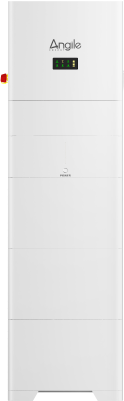
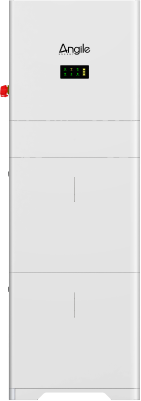
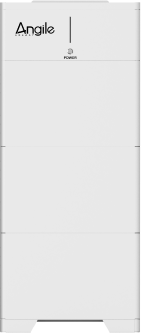
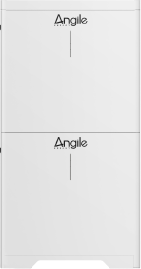
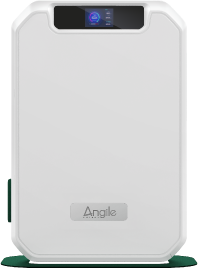
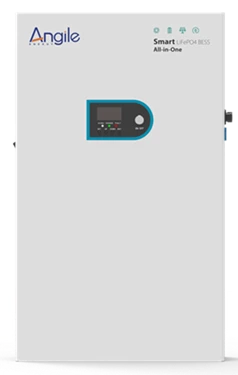
Angile Energy provides residential energy storage solutions designed around different household needs. Its product range includes ePowerCUBE AIOT and ePowerCUBE AIOS systems, giving homeowners options for modular residential storage.
Angile's residential solutions combine hybrid inverter technology, battery modules, and intelligent battery management in an integrated system. The company also offers both high-voltage and low-voltage residential battery options.
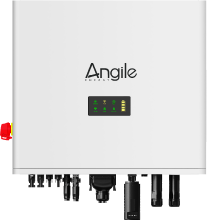
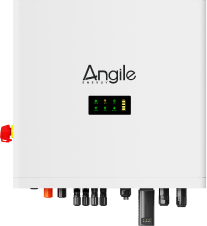
For hybrid inverter power, Angile Energy offers single-phase models from 4–6 kW and three-phase models from 8–12 kW. This means the range around 5–10 kW is directly covered across its residential inverter options.
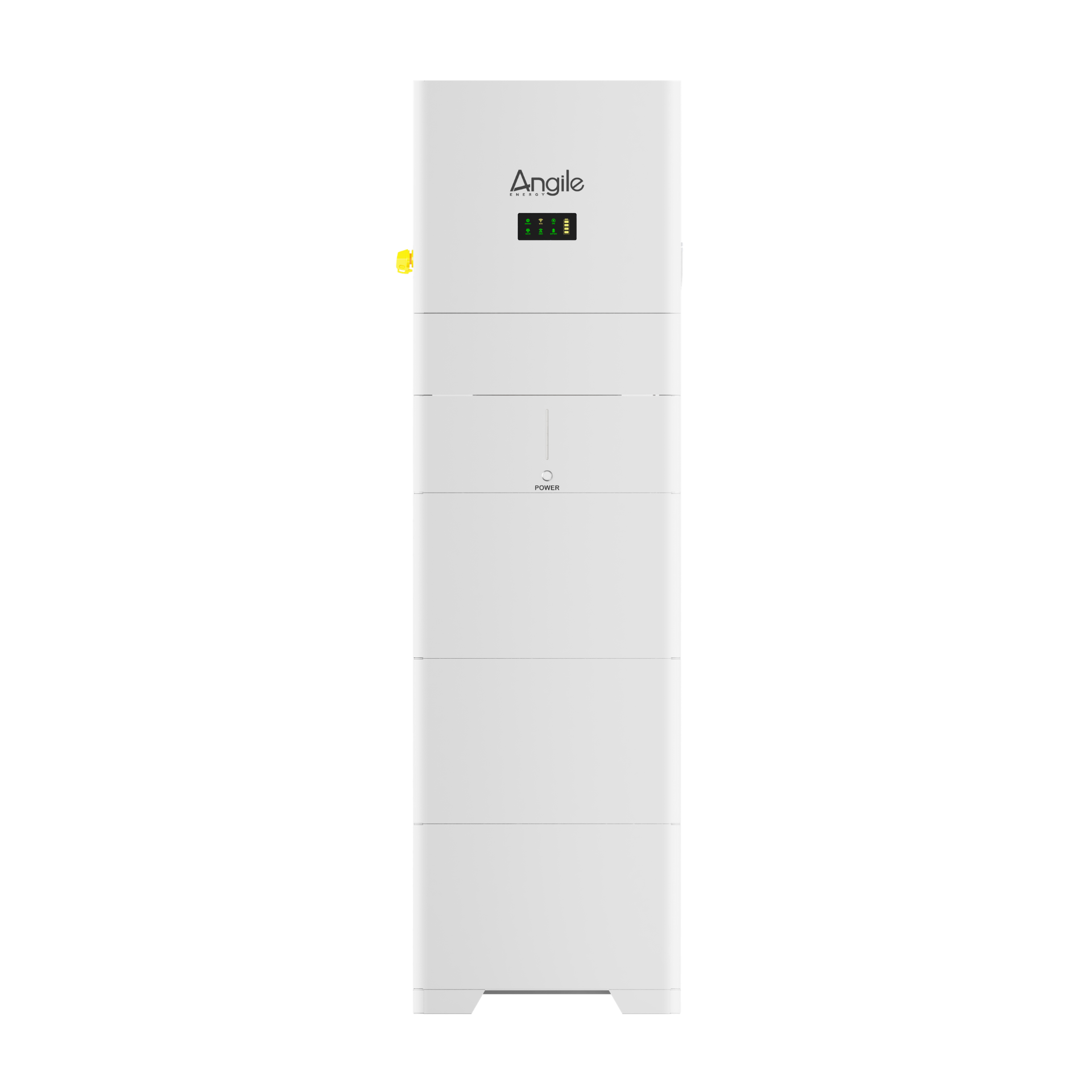
AIOT Three-Phase Residential Energy Storage System
A three-phase residential energy storage option for homes with higher power demand. The system combines energy storage and intelligent energy management in an integrated residential solution.
View AIOT System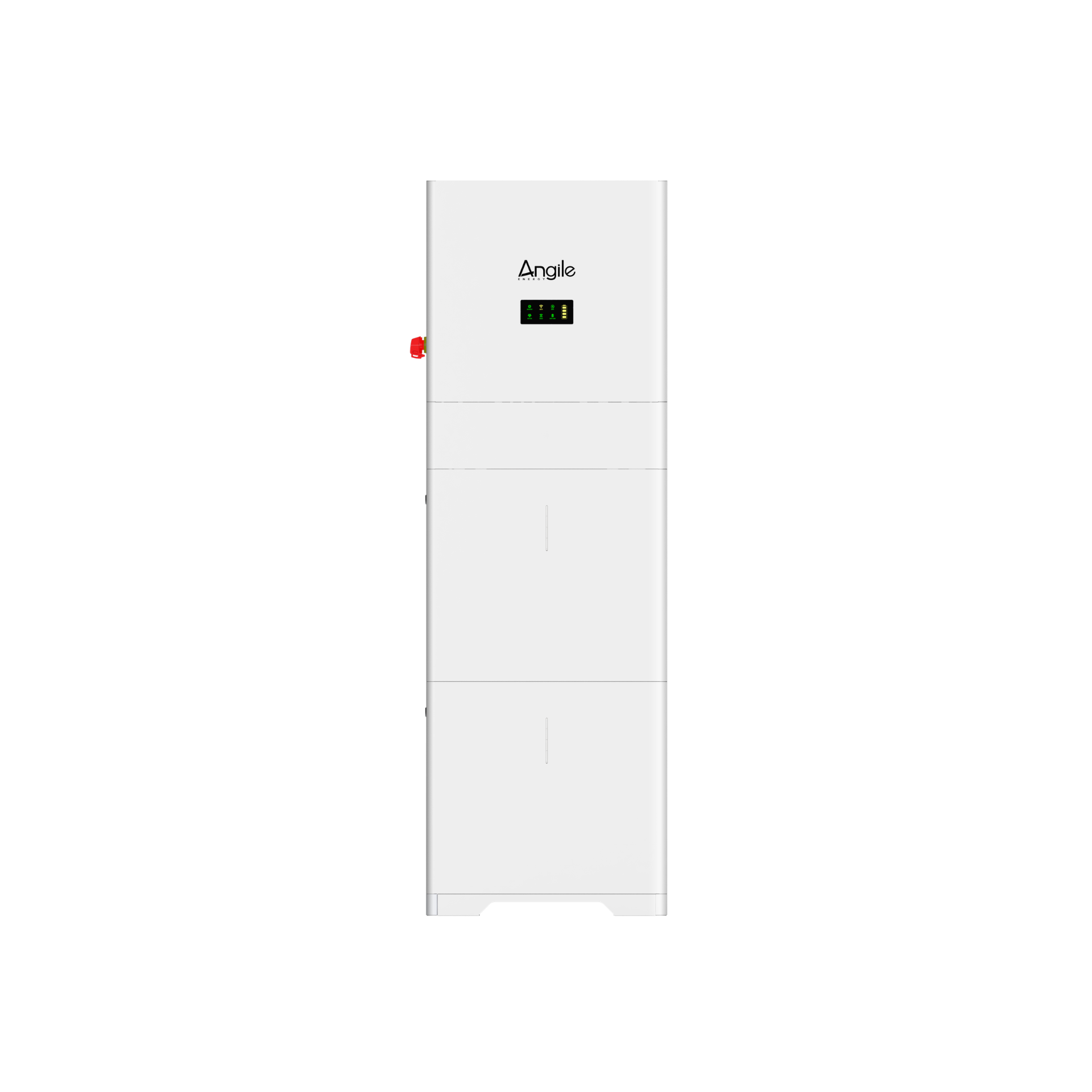
AIOS Single-Phase Residential Energy Storage System
A single-phase residential energy storage option for homes looking for a compact, modular solution for solar self-consumption and household energy management.
View AIOS SystemThe modular approach also makes it possible to consider future energy needs instead of selecting a system only for today's consumption. Homeowners can assess their current electricity demand while also considering possible additions such as an EV, heat pump, or additional solar generation.
Choose Based on Your Home, Not Just the Number
For many homeowners, 5–10 kW is a useful range to explore, but the correct system depends on how electricity is used in the home.
Before choosing, consider your peak load, solar generation, battery capacity, essential backup loads, and future needs such as an EV or heat pump.
With AIOT and AIOS, Angile Energy provides scalable residential storage options that can be matched to different household energy requirements.
Explore Angile Energy Residential Storage
Looking for a residential energy storage system for your home? Explore Angile Energy's product range and compare the available single-phase and three-phase solutions.
Explore Angile Energy