

The oven is on, the heat pump is running, and someone plugs in the car. It is this overlap that makes inverter sizing worth a closer look. A home can use relatively little electricity over a day yet need substantial power for a short period.
For a household choosing between a 5kW and 10kW hybrid inverter, start with the loads you want solar and batteries to supply, especially during an outage.
Table of Contents
What Does the Power Rating Mean?
A 5kW inverter has a nominal AC output of 5,000 watts; a 10kW model offers 10,000 watts, subject to operating conditions. This rating describes power at a moment in time. Battery capacity, measured in kWh, describes stored energy.
In grid-connected operation, the grid may supply demand beyond the inverter’s contribution, within the installation’s limits. A 5kW inverter therefore does not automatically limit the entire house to 5kW. During backup operation, the inverter’s backup rating, battery output and protected circuits become decisive.
| Selection factor | 5kW hybrid inverter | 10kW hybrid inverter |
|---|---|---|
| Typical reason to choose | Moderate simultaneous demand | Higher simultaneous demand |
| Backup planning | Selected loads within its limits | More power for supported loads |
| Battery requirement | Sufficient discharge power and energy | Higher discharge capability if using full output |
| Installation checks | Phase, PV and connection compatibility | The same checks, with greater power requirements |
When Is 5kW Enough?
A 5kW model is worth considering when the loads it must supply remain comfortably within its continuous and startup limits.
For illustration, a 2kW cooking load, 1kW of other appliances and 0.5kW of background demand total 3.5kW. Adding another substantial load could change the decision. Use measured demand and appliance specifications rather than a standard household list.
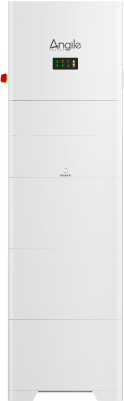
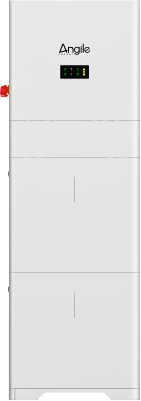
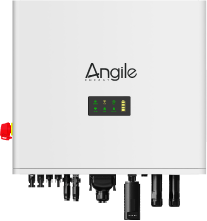
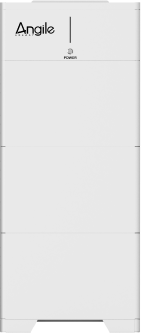
For a suitable single-phase installation, this assessment might lead to the 5kW option in Angile Energy’s ePowerCUBE PCSS Series. The practical question is whether it covers the intended loads with appropriate headroom.
When Does 10kW Make Sense?
Consider 10kW when verified simultaneous demand exceeds what a 5kW system can supply and covering that demand is part of your plan. Electrified heating, cooking and EV charging can overlap, although scheduling can reduce the required peak.
For example, a hypothetical 3kW heat-pump electrical input, 3kW cooking load and 1kW of other demand total 7kW. A larger inverter may suit that combination, provided the battery and system can support it.
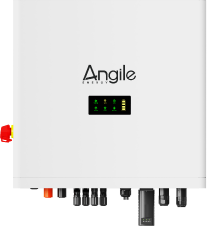
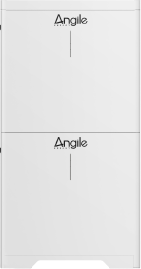
In a compatible three-phase home, Angile Energy’s ePowerCUBE PCST Series includes a 10kW hybrid inverter. Check output per phase and permitted imbalance: a three-phase total rating does not mean that full power is available on one phase.
Check the Battery, Solar Array and Grid Connection
A 10kW inverter cannot deliver 10kW from a battery limited to 5kW continuous discharge. Check battery voltage, communication compatibility, discharge limits and usable energy separately.
Likewise, inverter AC output and solar-array capacity are different specifications. Some models accept a PV array larger than their AC rating, but voltage, current, MPPT and charging limits still apply. A larger inverter alone will not increase winter sunlight.
Across EU markets, connection requirements vary. Have the installer confirm supply phase, approved equipment, export restrictions and any required distribution-network approval. Backup also needs the appropriate switching, isolation and circuit design.
Make the Choice from Your Load Profile
Compare proposals using measured peaks, planned appliances, PV design and backup priorities. Ask each installer to specify available battery-only power and supported backup loads.
Choose 5kW when it meets those requirements. Choose 10kW when the additional output has a clear purpose and the complete installation supports it.