
In 2026, more homeowners are looking for systems that can reduce electricity bills, improve energy independence, and provide backup power during outages.
As solar adoption continues to grow across Europe, demand for smart home energy storage systems is rising quickly. The best systems combine modular storage, high efficiency, easy installation, strong safety protection, and intelligent energy management in one solution.
A home energy storage system lets you store electricity for later use, instead of relying only on the grid. This is especially valuable when solar panels generate power during the day but your household uses more energy in the evening. It also helps protect against outages and rising energy prices.
Home Energy Storage System Components
| Component | Function |
| PV panels | Capture sunlight and convert it into DC electricity. |
| Hybrid Inverter | Converts DC to AC and manages power flow between solar panels, batteries, the grid, and home loads. |
| Battery System | Stores excess energy for use at night or during outages. |
| Backup output | Supplies power automatically during grid failures for essential appliances. |
| EMS | Monitors and optimizes energy production, storage, and consumption. |
In markets such as the Netherlands, Germany, Italy, the United Kingdom, and other key European countries, homeowners are paying more attention to self-consumption and long-term energy resilience. As incentives change and net metering becomes less attractive in some places, storage systems are becoming a practical part of the home energy strategy.
According to the latest Eurostat and IEA data for 2025-2026, household consumption varies significantly by region and lifestyle. On average, a medium-sized European household (3-4 people) consumes between 250 kWh and 450 kWh per month.
To find your daily requirement, divide your monthly usage by 30 days. For an average home using 350 kWh per month, the daily consumption is roughly 11-12 kWh.
Most of this energy is used during "peak hours" (mornings and evenings) when solar panels aren't producing. To achieve maximum self-sufficiency, your battery should ideally cover 60% to 80% of your daily needs.
| Household Type | Monthly Usage | Recommended Battery | Why? |
| 1-2 People (Flat/Small Home) | 150 - 250 kWh | 5 kWh - 10 kWh | Covers overnight essentials like lighting, fridge, and standby devices. |
| 3-4 People (Family Home) | 300 - 450 kWh | 10 kWh - 15 kWh | Covers evening cooking, laundry, and heating/cooling. |
| 5+ People (EVs & Heat Pumps) | 600+ kWh | 20 kWh+ | Essential for managing the high surge of EV charging and winter heating demands. |
Tip: Use stackable modules so you don't have to guess perfectly on day one.
The demand for home energy storage systems is growing because electricity prices remain uncertain and solar power is becoming more common. More homeowners want to use the electricity they generate instead of sending excess power back to the grid.
In addition, policy changes in some European markets are making self-consumption more attractive than export-based models. That means a residential energy storage system is no longer just an upgrade — it is becoming a practical part of modern home energy planning.
When comparing storage systems, several factors matter most. Capacity is important, but so are cycle life, efficiency, installation flexibility, protection level, and monitoring features. A good system should not only store energy, but also manage it intelligently.
These features determine whether a system will be useful for a few years or become a long-term energy asset.
Traditional storage setups often require multiple separate components, which can make installation more complicated and maintenance more difficult. An all-in-one system simplifies that process by combining key parts into a single solution.
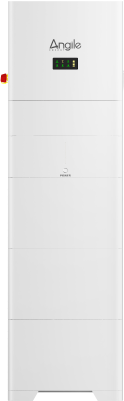
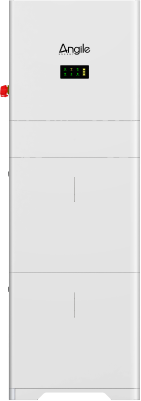
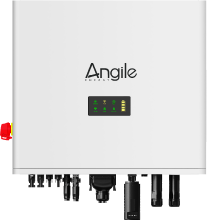
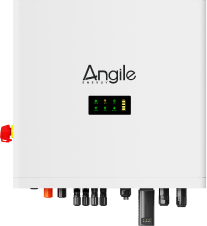
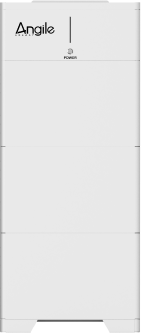
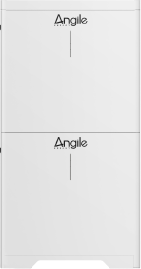
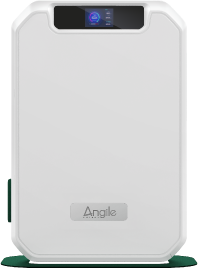
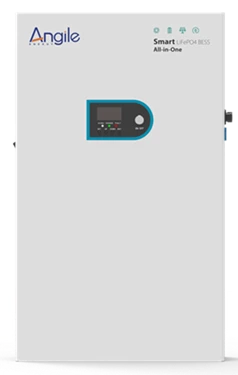
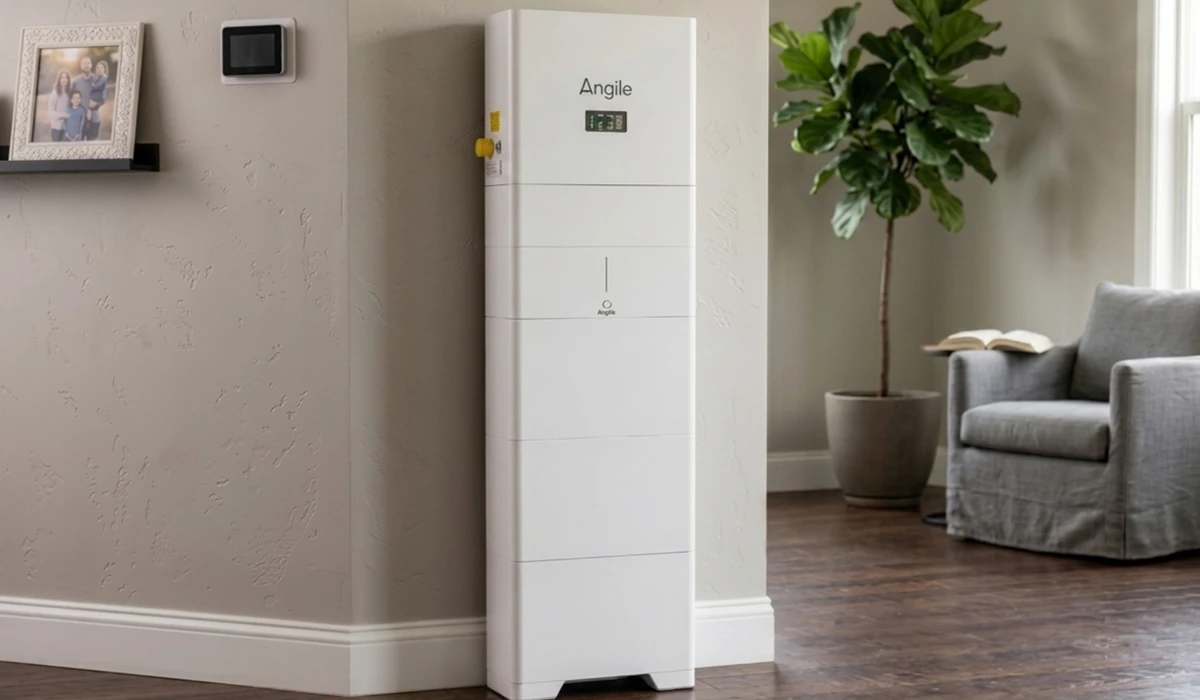
Angile Energy offers an all-in-one home energy storage solution designed for easy installation and long-term reliability. The system combines a hybrid inverter, DC charger, battery packs, and BMS into a single integrated platform. This plug-and-play design reduces installation complexity and makes the system easier to scale. Stackable modules allow homeowners to expand capacity as needed, while IP65 protection, a 10-year warranty, and a smart monitoring app provide durability, confidence, and control.
One of the biggest challenges in home storage is regional fit. Different countries have different grid requirements, installation standards, and customer expectations. Angile Energy focuses on HEMS and C&I markets across the Netherlands, Italy, the United Kingdom, Germany, Ireland, Sweden, Poland, and Romania.
That regional focus matters because it supports better deployment, faster delivery, and more relevant local service. Angile Energy works with a professional network of local installers and localized logistics, helping customers get systems installed efficiently and with fewer delays.
Safety is one of the most important criteria when choosing a storage system. A home battery system should meet international standards and local grid requirements while remaining stable in everyday use. Angile Energy places strong emphasis on certified quality and compliant operation.
This is especially important in Europe, where homeowners and installers expect systems to meet both technical and legal standards. A product that is compliant from the start reduces risk and supports smoother project approval and installation.
The best home energy storage system should match your household’s energy use, solar capacity, and long-term goals. If you want to reduce grid dependence, improve backup power, and support future expansion, an integrated storage system is often the best choice.
The best home energy storage system in 2026 is one that combines performance, safety, and flexibility. As more homeowners move toward solar and smart energy management, integrated systems will continue to play a bigger role in the residential market.
Angile Energy brings together the features that matter most: plug-and-play installation, modular storage, smart monitoring, strong protection, and localized support. For homeowners looking for a practical path to energy independence, it is a strong option in the next phase of the clean energy transition.