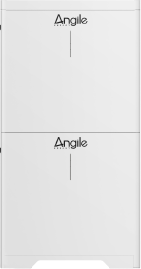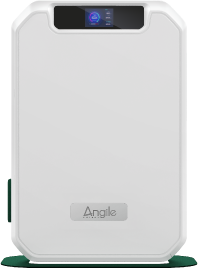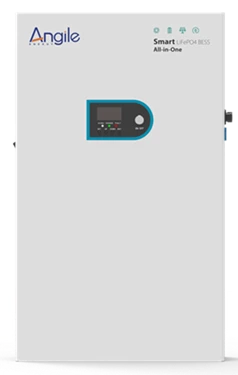

As the core components of solar power and energy storage systems, inverters enjoy a prestigious reputation. Many people assume they are the exact same product because they share operate in the same field, but that isn't actually the case.
While photovoltaic (PV) inverter and PCS (Power Conversion System) are "best partners," they differ significantly in terms of functionality, utilization rates, and economic returns in practical applications.
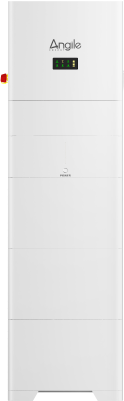
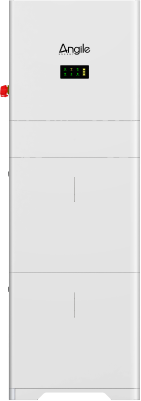
A Power Conversion System (PCS), also known as a "bidirectional energy storage inverter," is the core component for enabling the bidirectional flow of electricity between an energy storage system and the power grid. It is used to control the charging and discharging processes of the battery and perform AC/DC conversion. In the absence of a power grid (off-grid mode), it can directly supply power to AC loads.
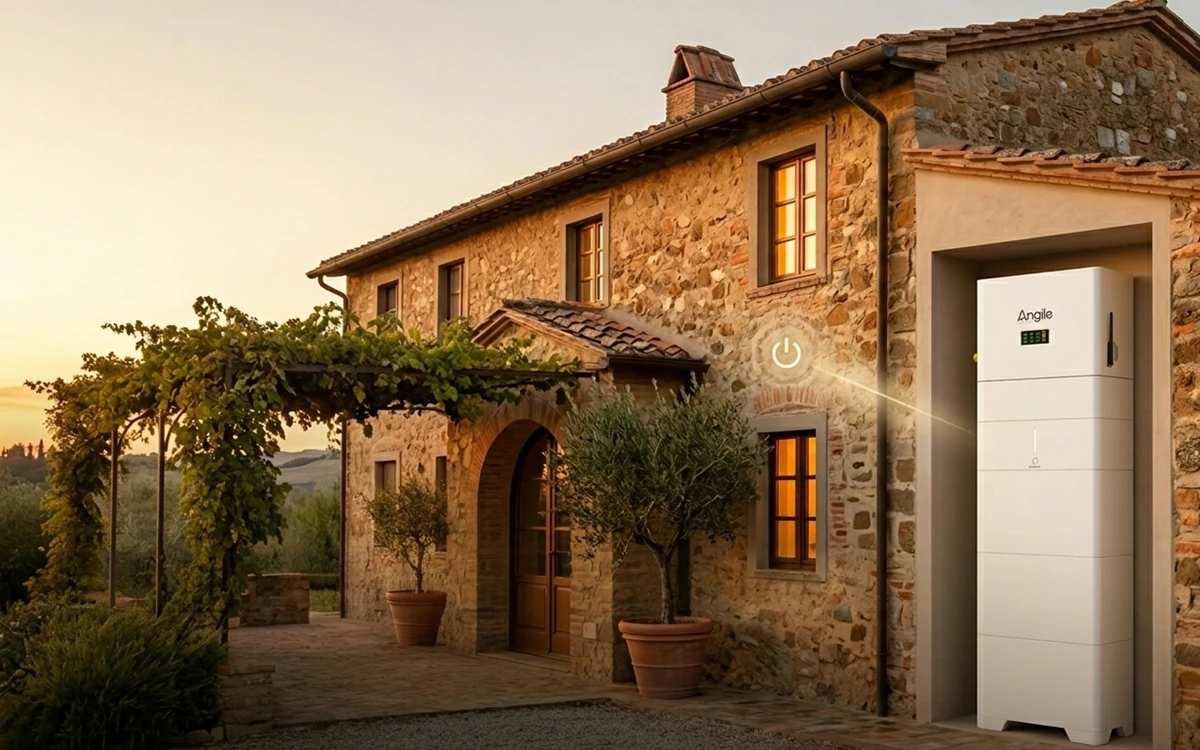
Based on application scenarios and capacity sizes, Power Conversion Systems (PCS) can be categorized into PV-storage hybrid inverters, low-power PCS, medium-power PCS, centralized PCS, and more.
| Type | PV-Storage Hybrid PCS | Low-Power PCS | Medium-Power PCS | Centralized PCS |
| Power Range | < 15kW | < 15kW | 15kW - 250kW | Above 250kW |
| Application Scenarios | User-side | User-side | User-side (C&I), Generation-side | Generation-side, Transmission & Distribution-side |
| Product Functions | Peak shaving & valley filling, grid-feeding of surplus power, combination of PV inverting and energy storage conversion | Peak shaving & valley filling, grid-feeding of surplus power | Peak shaving & valley filling, grid-feeding of surplus power, peak-valley arbitrage | Peak/Frequency regulation, smoothing the impact of renewable energy generation on the grid |
An electrochemical energy storage system generally consists of four core components: the battery, Energy Management System (EMS), Power Conversion System (PCS), and Battery Management System (BMS). The PCS controls the charging and discharging processes of the energy storage battery units and performs AC/DC conversion, playing a vital role in the industry chain.
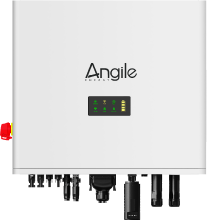
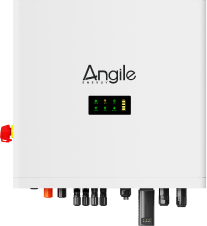
A Photovoltaic (PV) Inverter is an inverter specifically designed for the solar power generation field. Its primary function is to use power electronic conversion technology to transform the direct current (DC) generated by solar cells into alternating current (AC) that can be directly integrated into the grid or used by loads.
As the interface device between the PV cells and the power grid, the PV inverter converts solar energy into AC electrical energy and transmits it to the grid, playing a crucial role in grid-connected PV systems. There is a growing demand for diverse inverter forms to maximize solar conversion efficiency while maintaining the aesthetic appearance of buildings. Currently, the common solar inversion methods are: centralized inverters, string inverters, multi-string inverters, and module-level inverters (micro-inverters).
"The Best Partners": PV inverters can only generate power during the day, and their output power is affected by weather, leading to issues such as unpredictability. The Power Conversion System (PCS) perfectly resolves these dilemmas. During periods of low load, it stores output electricity in batteries; during peak load periods, it releases the stored energy, reducing pressure on the grid. In the event of a grid failure, it switches to off-grid mode to continue supplying power.
The Biggest Difference: The requirements for inverters in energy storage scenarios are more complex than those in grid-connected PV scenarios. In addition to DC-to-AC conversion, they must also be capable of AC-to-DC conversion and rapid switching between grid-tied and off-grid modes. At the same time, the energy storage PCS is a bidirectional converter, featuring energy control for both charging and discharging directions.
In other words, PCS have higher technical barriers to entry.
While PV inverters are essential for harvesting solar energy, the Power Conversion System (PCS) provides the necessary flexibility to manage it. By enabling higher self-consumption and providing backup power during grid failures, the PCS offers superior technical and economic value in the evolving energy market.
At Angile Energy, we bridge this gap by offering advanced inverter and storage solutions. We focus on integrating these "best partners" to help residential and commercial users maximize their energy efficiency and achieve true energy independence.