

Yes, home batteries can work in winter. However, their performance depends on temperature, installation conditions, available charging energy, and household electricity demand.
For European homeowners, winter brings shorter days, colder weather, and greater heating needs. A well-designed battery system can still store electricity for evening use, support energy management, and provide backup power when configured for it. Understanding its operating limits helps you get the most from your system throughout the colder months.
Table of Contents
How Does Cold Weather Affect Home Batteries?
Low temperatures slow the electrochemical processes inside lithium batteries. This can reduce available power and usable energy, while charging may become slower or temporarily stop.
Charging and discharging also have different temperature limits. A battery may be able to supply electricity in conditions where charging is restricted. The exact limits depend on the battery model and its protection settings.
A battery management system, or BMS, monitors operating conditions and helps protect the cells. If charging pauses during cold weather, it may be a normal protective response rather than a fault. Always follow the manufacturer’s temperature requirements.
Less Winter Sunlight Means Less Energy to Store
Battery performance and solar production are separate issues.
Even when a battery operates correctly, shorter daylight hours, cloud cover, shading, and snow can reduce the electricity available from rooftop solar panels. Meanwhile, heat pumps, lighting, and other appliances may increase household demand.
For example, if your solar system produces only a small surplus after daytime consumption, your battery may not fully charge. A larger battery cannot compensate for electricity that was never generated.
Winter planning should therefore consider both your energy supply and your consumption.
How Battery Heating Helps
Some home batteries include heating to support operation in cold conditions. This helps bring the cells into a suitable temperature range before charging proceeds.
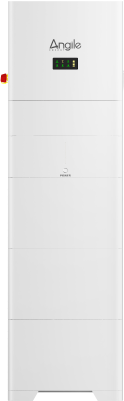
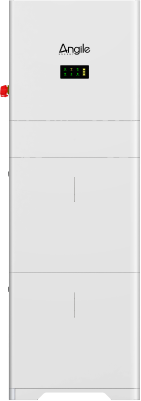
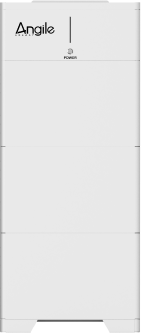
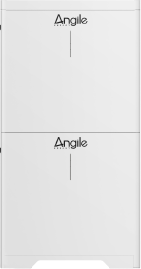
Angile Energy’s ePowerCUBE BALV Series includes the AES5.1-L heating model alongside the AES5.1-L1. The published specifications list a 51.2 V low-voltage design, 5.12 kWh modular capacity, and lithium iron phosphate chemistry.
Angile Energy's batterys operating temperature range of −25°C to 60°C with the heating function. Homeowners should confirm the selected model and installation requirements with their installer. This range does not mean unrestricted charging or identical performance at every temperature.
Heating also consumes energy, so it should be included when assessing winter operation.
Practical Ways to Improve Winter Performance
Start with the installation location. A suitable sheltered position can reduce exposure to extreme temperatures, but ventilation, clearances, moisture protection, and local installation rules still matter.
Next, review your electricity use. Running suitable appliances during available solar production can help use renewable electricity directly. Avoid scheduling several high-demand devices simultaneously if this exceeds your system’s output.
Where your tariff and system allow it, charging from the grid during cheaper periods may help when solar production is limited. Compare the price difference with conversion losses, battery wear, and any additional charges.
If your system provides backup power, maintain an appropriate reserve. Saving some stored energy for essential appliances may be more useful than using the entire available charge to reduce daily grid purchases.
Choosing a Battery for Year-Round Use
Choose a home battery around realistic winter demand, suitable temperature protection, inverter compatibility, and installation conditions.
The ePowerCUBE BALV Series offers modular storage and remote monitoring of battery health, state of charge, and energy flow, helping homeowners understand system operation.
Home batteries remain useful in winter, but good results depend on the complete system. Explore Angile Energy’s ePowerCUBE BALV Series and discuss your winter energy needs with a qualified installer.