
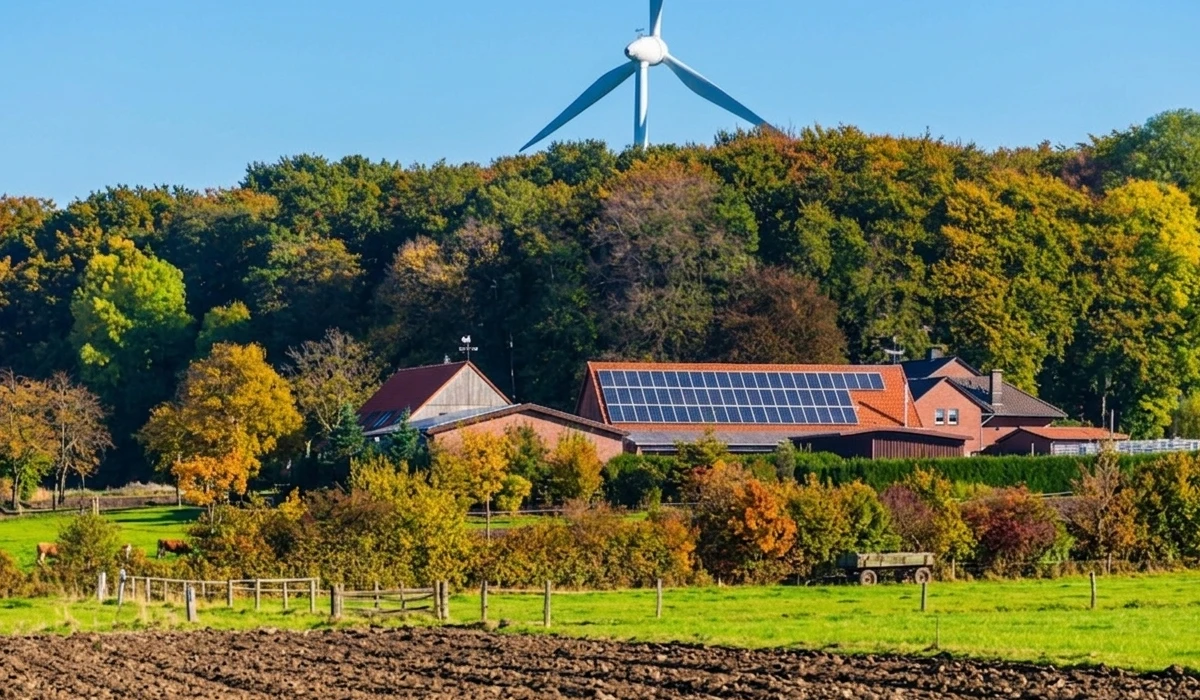
When we talk about saving the planet, we often talk about solar panels and wind turbines. These are great, but they have one small problem: the sun doesn’t always shine, and the wind doesn’t always blow. To make sure we have electricity at night or on a still day, we need green energy storage.
Think of green energy storage like a giant power bank for your home, but instead of charging your phone, it powers entire cities. It is the process of capturing energy produced from renewable sources—like the sun, wind, or water—and saving it so we can use it later. Without storage, any extra electricity produced on a very sunny or windy day goes to waste. With storage, we can use that extra power when the weather changes or when it’s nighttime.
The main job of storage is to balance supply and demand. In the past, power plants could just burn more coal or gas when people turned on their lights in the evening. With renewable energy, storage acts as a buffer, holding the energy until the moment we actually need to use it, making the whole power grid more stable and reliable.
There isn’t just one way to store power. Depending on how much energy is needed and how long it needs to be kept, different "renewable energy storage systems" are used. Here are the most common ones:
Each method helps make sure we have power whenever we need it.
Pumped storage is one of the oldest and most trusted ways to keep energy. It works with two water tanks at different heights. When there is extra green energy (like at noon when the sun is brightest), that power is used to pump water from the lower reservoir up to the higher one. When people need more electricity later, the water is released. It flows back down, spinning a turbine to create power as it goes.
Because green energy can be unpredictable, pumped storage has become more important than ever. It acts as a "buffer" that helps keep the electrical grid steady even when weather conditions change quickly.
Europe is quickly becoming one of the most important markets for green energy storage in the world. According to the European Market Monitor on Energy Storage (EMMES) by EASE and LCP Delta, energy storage will reach beyond 215 GW by 2030 – with battery storage alone exceeding 160 GW.
In 2023, energy storage capacity additions in Europe reached 10 gigawatts, and the total project pipeline has grown to more than 130 gigawatts across thousands of projects. This massive growth shows that Europe is serious about moving toward a cleaner, more stable power system. By late 2025, the region actually reached a major milestone of 100 gigawatts in total installed capacity.
Because the demand is so high, many well-known companies are leading the way. You’ll find names like Tesla, LG Energy Solution, CATL, and BYD providing high-tech batteries. Engineering and power giants like Siemens Energy, ABB, Schneider Electric, Fluence, and Power Electronics focus on the systems that connect this storage to the grid.
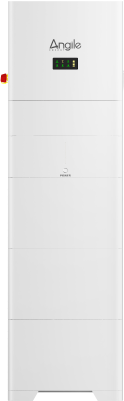
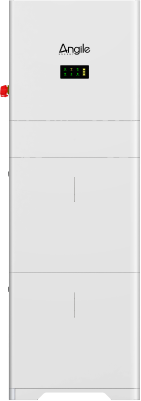
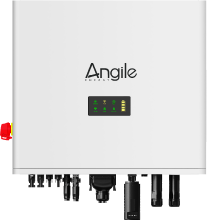
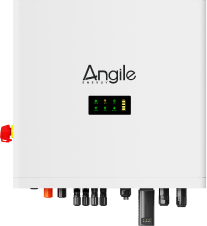
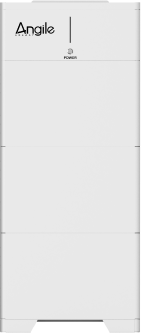
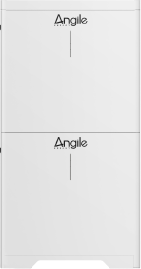
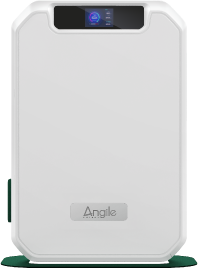
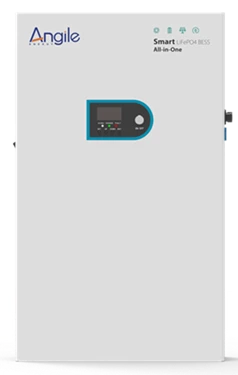
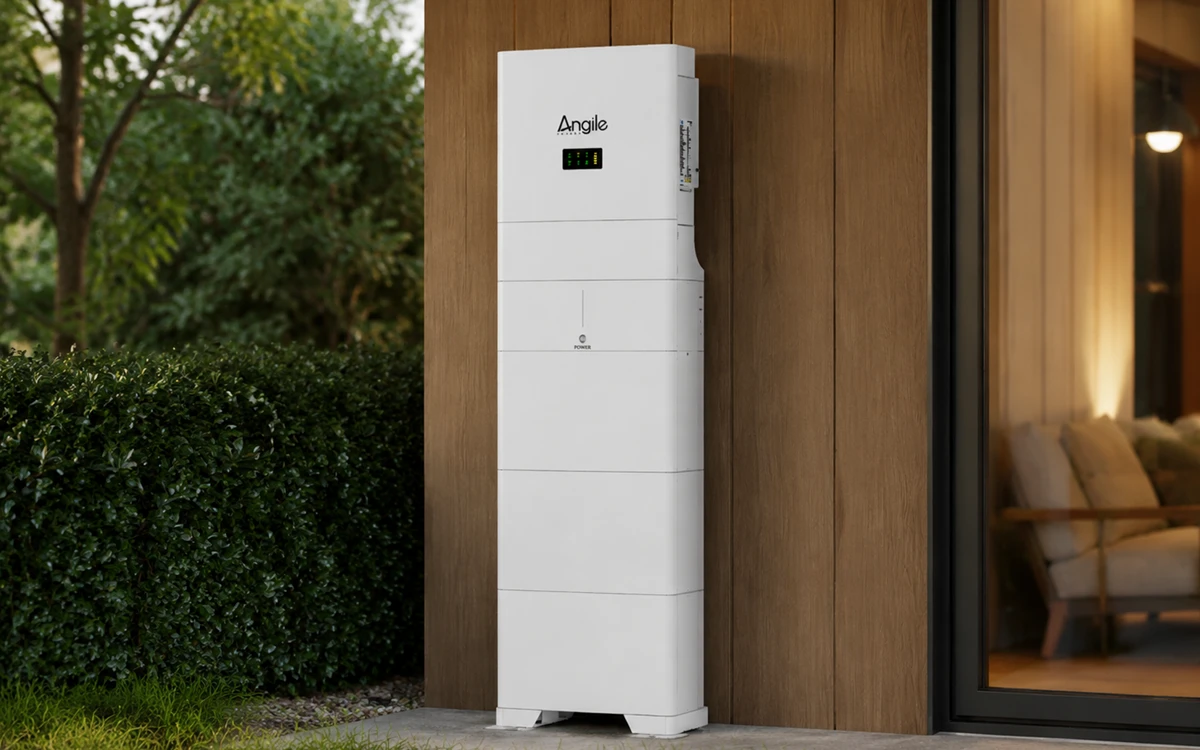
In addition to these giants, high-tech firms like Angile Energy are focusing on specialized solutions for the European market. By providing Home Energy Management Systems (HEMS) and Commercial & Industrial (C&I) storage, companies like these help homeowners and businesses maximize their solar efficiency.
Whether it’s a small battery in a suburban home, a storage system for a local business, or a giant facility supporting a national power grid, these technologies are now a standard part of how Europe handles electricity.
Green energy storage is a key part of clean energy. It helps us use renewable power all the time, not just when the sun shines or the wind blows. With better storage, we can move away from coal and gas, make the power grid more stable, and create a cleaner future for everyone.