
If you’ve been looking into solar recently, you’ve probably come across the term grid tied solar system again and again. And for good reason. Despite the growing buzz around battery storage and energy independence, grid-tied systems still dominate installations across the UK and most of Europe.
But with energy prices fluctuating and policies evolving, many homeowners are starting to ask a more practical question: is a grid tied solar system still the best choice in 2026? The answer, in most cases, is still yes—but the reasoning is becoming more nuanced.
To understand its current position, it helps to look at why the grid tied solar system became so popular in the first place.
Unlike off-grid systems, which require significant battery storage, grid-tied setups use the national grid as a kind of backup. During the day, your panels generate electricity that you use immediately. If you produce more than you need, the surplus is exported. When your system isn’t generating enough—like in the evening—you simply draw from the grid as usual.
In short, the system allows you to:
This simplicity is exactly what made grid-tied systems the default choice across Europe. Lower upfront costs, fewer components, and easier installation meant that more households could adopt solar without making a major financial leap.
In the UK, the introduction of the Smart Export Guarantee (SEG) added another layer of appeal. Instead of wasting excess electricity, homeowners could now sell it back to the grid, turning solar into not just a cost-saving tool, but a small income stream.
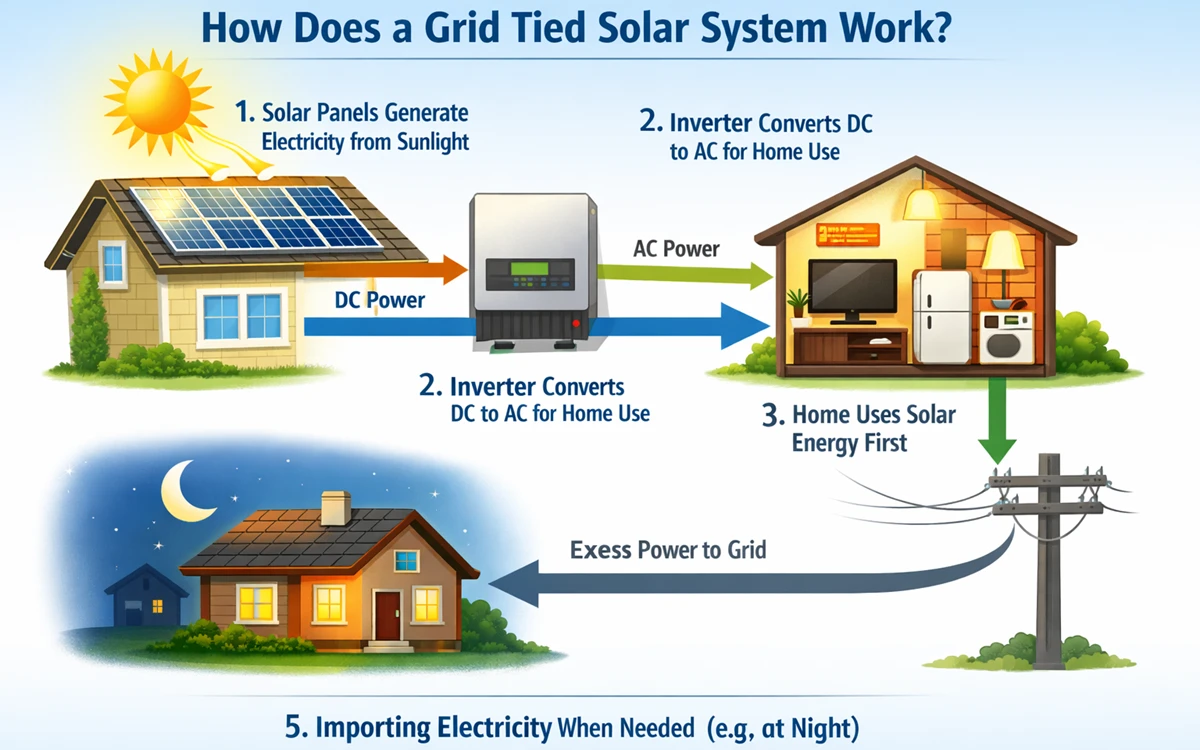
On paper, the system is straightforward. In reality, it’s even more seamless than most people expect.
Once installed, the system largely runs in the background. Solar panels generate electricity whenever there’s daylight, and your home automatically uses that energy first. You don’t need to switch anything manually or manage the flow—it’s all handled by the inverter and your home’s electrical system.
On a typical day, especially in spring and summer, many UK and EU households find that their daytime electricity usage is almost entirely covered by solar. Appliances like washing machines, dishwashers, and even EV chargers can run on solar energy if timed correctly.
When production exceeds consumption, the excess flows back into the grid. With SEG or similar EU schemes, that exported energy is tracked and compensated. It’s not usually a huge income, but it contributes to shortening the overall payback period.
At night, the system simply switches back to grid electricity. Most users don’t even notice the transition.
Let’s talk numbers, because this is where the grid tied solar system continues to stand out.
In the UK, a typical residential installation still falls somewhere between £5,000 and £9,000, depending on system size and equipment quality. Across Europe, pricing is broadly similar, with some variation based on labour costs and local regulations. What’s changed in recent years isn’t so much the system cost—it’s the value of the electricity it replaces.
With electricity prices remaining relatively high across much of Europe, every kilowatt-hour you generate and use yourself is worth more than it was a few years ago. This has quietly improved solar ROI, even without major subsidies.
Most homeowners now see payback periods in the range of five to eight years. After that, the system continues generating effectively “free” electricity for another 15–20 years.
Average Installation Costs (2026 Estimates)
| System Size | UK Price Range | EU Average |
| 3kW | £4,200 – £6,500 | €5,500 – €8,000 |
| 5kW | £6,500 – £9,000 | €7,000 – €11,000 |
| 8kW | £9,000 – £12,000 | €10,000 – €15,000 |
Of course, no system is perfect, and this is where the conversation has started to shift in Europe.
The biggest limitation of a grid tied solar system is that it doesn’t provide power during an outage. For safety reasons, the system shuts down when the grid goes offline. This means that even if your panels are producing electricity, you won’t be able to use it during a blackout.
For most urban areas in the UK and Europe, this isn’t a major concern because outages are relatively rare. But with increasing awareness around energy resilience, more homeowners are starting to see this as a drawback.
There’s also the question of export rates. While schemes like SEG are beneficial, the price you receive for exported electricity is usually lower than the price you pay to import it. This has led to a growing interest in maximising self-consumption rather than relying on exports.
This is where hybrid systems enter the conversation.
A hybrid solar system adds battery storage, allowing you to store excess energy instead of exporting it. This stored energy can then be used in the evening or during outages, increasing independence from the grid.
In markets like Germany and Italy, hybrid systems are gaining traction, particularly among homeowners who are willing to invest more upfront for greater control over their energy usage.
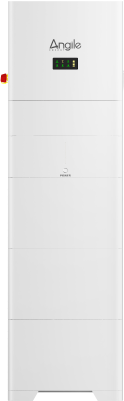
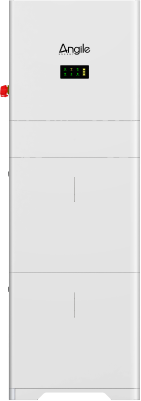
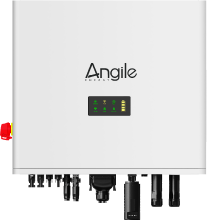
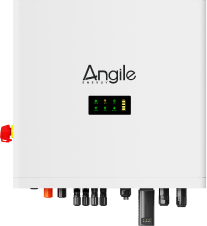
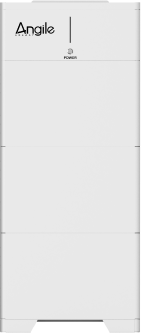
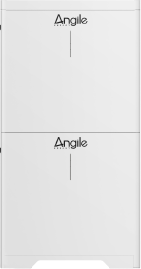
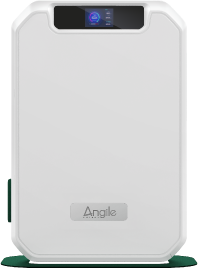
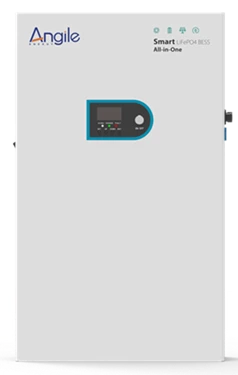
To support this shift, Angile Energy offers a range of integrated solutions designed specifically for modern hybrid energy needs. Rather than treating solar, storage, and monitoring as separate components, Angile focuses on all-in-one systems that simplify installation and improve performance.
That’s why, in 2026, the decision often comes down to priorities. If your goal is to maximise return on investment, grid-tied is still the clear winner. If your focus is energy security and independence, hybrid—especially with integrated solutions like those from Angile Energy—may be worth considering.
For the majority of homes in the UK and Europe, the answer remains yes.
A grid tied solar system offers the most accessible and cost-effective way to start generating your own electricity. It reduces your reliance on the grid, lowers your energy bills, and takes advantage of existing export schemes without requiring a large upfront investment.
What’s changing isn’t the value of grid-tied systems—it’s the context around them. As energy markets evolve, more homeowners are thinking beyond just savings and starting to consider flexibility, resilience, and long-term energy strategy.
But for now, if you’re looking for a straightforward, proven way to cut energy costs, grid-tied solar still leads the market.