
Although both generators and home inverter system solutions can provide backup power, they work in very different ways.
A generator produces electricity by burning fuel, while a home inverter system stores electricity and supplies it when needed. For homeowners, the right choice depends on power needs, outage duration, installation conditions, noise, running costs, and whether the system will be used every day or only during emergencies.
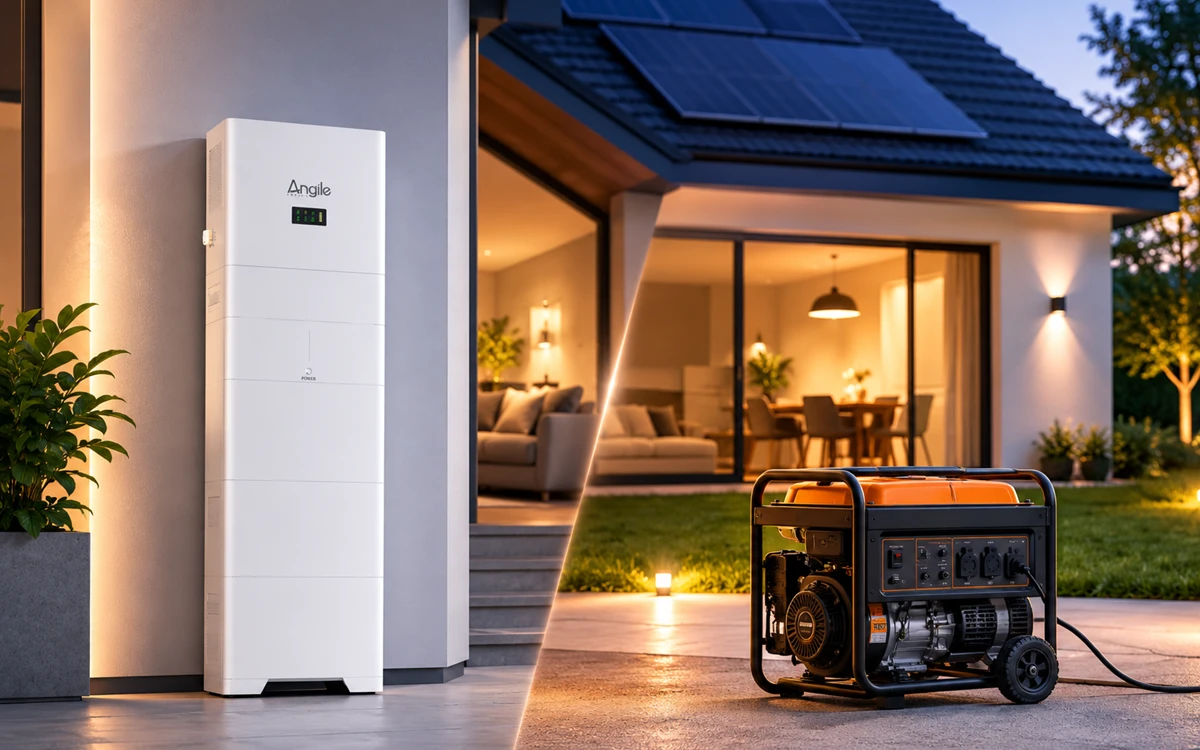
A home inverter system is more than an inverter alone. In a residential energy storage setup, the inverter works with a battery and solar panels to manage how electricity is generated, stored, and used.
Common inverter converts DC electricity from solar panels or batteries into AC electricity that household appliances can use. It can also use grid electricity to charge the battery when needed. During a power outage, a suitable hybrid inverter can switch to backup operation and supply selected household loads from the battery.
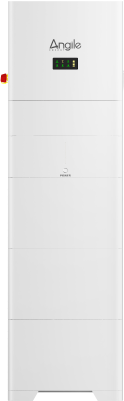
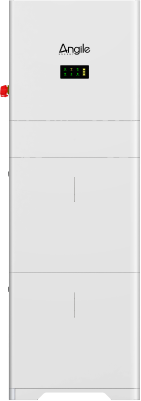
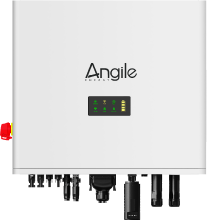
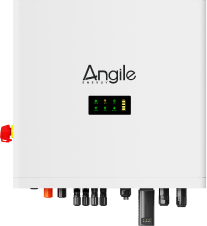
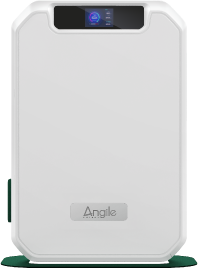
Angile Energy's hybrid inverter is designed as a bidirectional energy management system. It can convert solar or battery DC power into AC power for the home and convert grid AC power back into DC to charge the battery. The range includes single-phase 4–6 kW models and three-phase 8–12 kW models.
This makes a home inverter system useful not only during outages, but also as part of everyday home energy management.
The biggest difference is where the electricity comes from.
A generator creates electricity when its engine burns fuel such as petrol, diesel, or gas. As long as there is enough fuel, it can continue producing power. This can make generators useful for long outages and applications that require continuous high power.
A home inverter system with a battery works differently. It stores electricity before it is needed and releases that energy during an outage. If solar panels are connected, the battery can also be recharged using solar energy.
This creates an important difference: a generator produces electricity on demand, while a battery system stores electricity for later use.
For homeowners, this distinction can be especially useful. A battery system can operate as part of the home's energy system every day, rather than sitting unused until the next blackout.
The two technologies can be compared across several practical areas:
| Feature | Home Inverter System | Generator |
|---|---|---|
| Energy source | Battery, solar, or grid | Petrol, diesel, or gas |
| Noise | Very quiet | Usually noisy |
| Exhaust emissions | None during operation | Produces exhaust |
| Fuel storage | Not required | Required |
| Daily energy use | Yes | Usually no |
| Solar integration | Yes | Usually limited |
| Backup operation | Automatic with suitable system | Manual or automatic depending on setup |
| Long outage runtime | Limited by battery and recharging | Can continue with fuel |
| Maintenance | Generally low | Regular engine maintenance required |
| Best use | Daily energy management + backup | Long-duration backup |
Battery backup systems are generally quieter and do not require fuel storage, while generators can provide longer runtime when fuel is available.
One major advantage of a home inverter system is that it can provide value even when there is no power outage.
For example, solar energy generated during the day can be stored in the battery and used later in the evening. The system can also help homeowners use stored energy when grid electricity prices are higher, depending on the local electricity tariff and system settings.
This is different from a conventional generator, which normally remains inactive until backup power is required.
A battery system can therefore combine several functions:
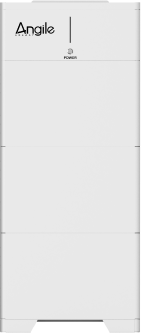
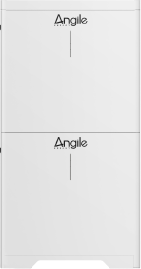
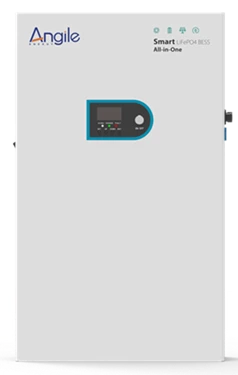
Angile Energy combines hybrid inverters, stackable battery packs, intelligent BMS technology, and energy monitoring in its residential energy storage solutions. Its all-in-one systems are designed for scalable installation and are supported through local partners and service capabilities in Europe.
There is no single answer for every home.
A home inverter system can be a strong choice for homeowners who have solar panels, want battery storage, prefer quiet backup power, or want the system to provide benefits throughout the year. It is particularly suitable when the main goal is to combine energy storage, solar self-consumption, and backup power in one system.
A generator may make more sense when very long outages are common or when the household needs high continuous power for an extended period. Fuel availability, outdoor installation requirements, noise, maintenance, and local regulations should also be considered.
For many homes, the decision should start with the loads that really need backup. Lighting, refrigerators, internet equipment, security systems, heating controls, and selected appliances may be more important than powering every device in the house.
The required inverter output and battery capacity should then be matched to these loads and the expected outage duration.
The choice between a generator and a home inverter system is not simply about what keeps the lights on. It is also about how the equipment fits into everyday energy use.
Generators are proven backup solutions and can offer long runtime when properly fuelled. However, they depend on fuel and are normally used only when the grid fails.
A battery-based inverter system can provide backup while also supporting solar energy use and daily electricity management. With scalable battery storage, homeowners can also increase capacity as their energy needs change.
For European households looking for a quieter, cleaner, and more integrated approach to home energy, a hybrid inverter and battery system can be a practical alternative to a traditional generator. The key is to choose the right inverter power, battery capacity, backup loads, and installation design for the home.
Angile Energy provides integrated residential energy storage systems combining hybrid inverters, battery storage, BMS, and smart energy management, with product configurations for both single-phase and three-phase homes.
In short, a generator is mainly a backup power source. A home inverter system can become part of the home's everyday energy system while also providing backup when the grid goes down.