

A solar inverter is one of the key parts of a home solar system. It converts the electricity produced by PV panels into usable AC power and, in a hybrid system, can also manage energy going to and coming from a battery.
But an inverter does not need to be replaced simply because it has reached a certain age. Its actual condition, operating environment, performance, and warranty are also important.
So, how often should you replace your inverter?
How Often Should a Solar Inverter Be Replaced?
The replacement cycle depends on the inverter type and how it has been used. Instead of replacing an inverter on a fixed schedule, homeowners should watch for changes in system performance and follow the manufacturer's recommended service life.
For a PV inverter hybrid system, replacement may also depend on the condition of the connected battery and whether the inverter still supports the home's energy needs.
An older inverter may continue working normally, while another unit may need attention earlier because of heat, dust, moisture, heavy loads, or frequent operation.
What Are the Signs You Need a New Inverter?
There are several practical signs that an inverter may need inspection or replacement:
- Solar production is lower than expected without a clear reason.
- The inverter frequently shows fault or warning messages.
- The system repeatedly shuts down or restarts.
- The unit makes unusual sounds or becomes excessively hot.
- Monitoring data shows unstable performance.
- The inverter can no longer support a new battery or additional solar capacity.
- The warranty has expired and repair costs are becoming difficult to justify.
A single warning does not always mean the inverter needs to be replaced. Some problems can be caused by wiring, grid conditions, sensors, or other components. A qualified installer should check the system before replacement.
Is a Hybrid Solar Inverter Better?
A hybrid solar inverter can be useful for homeowners who want to combine solar panels with battery storage.
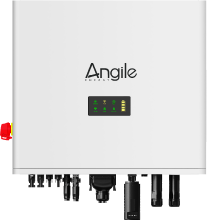
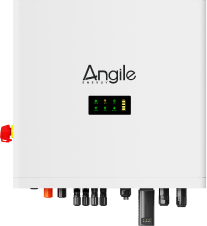
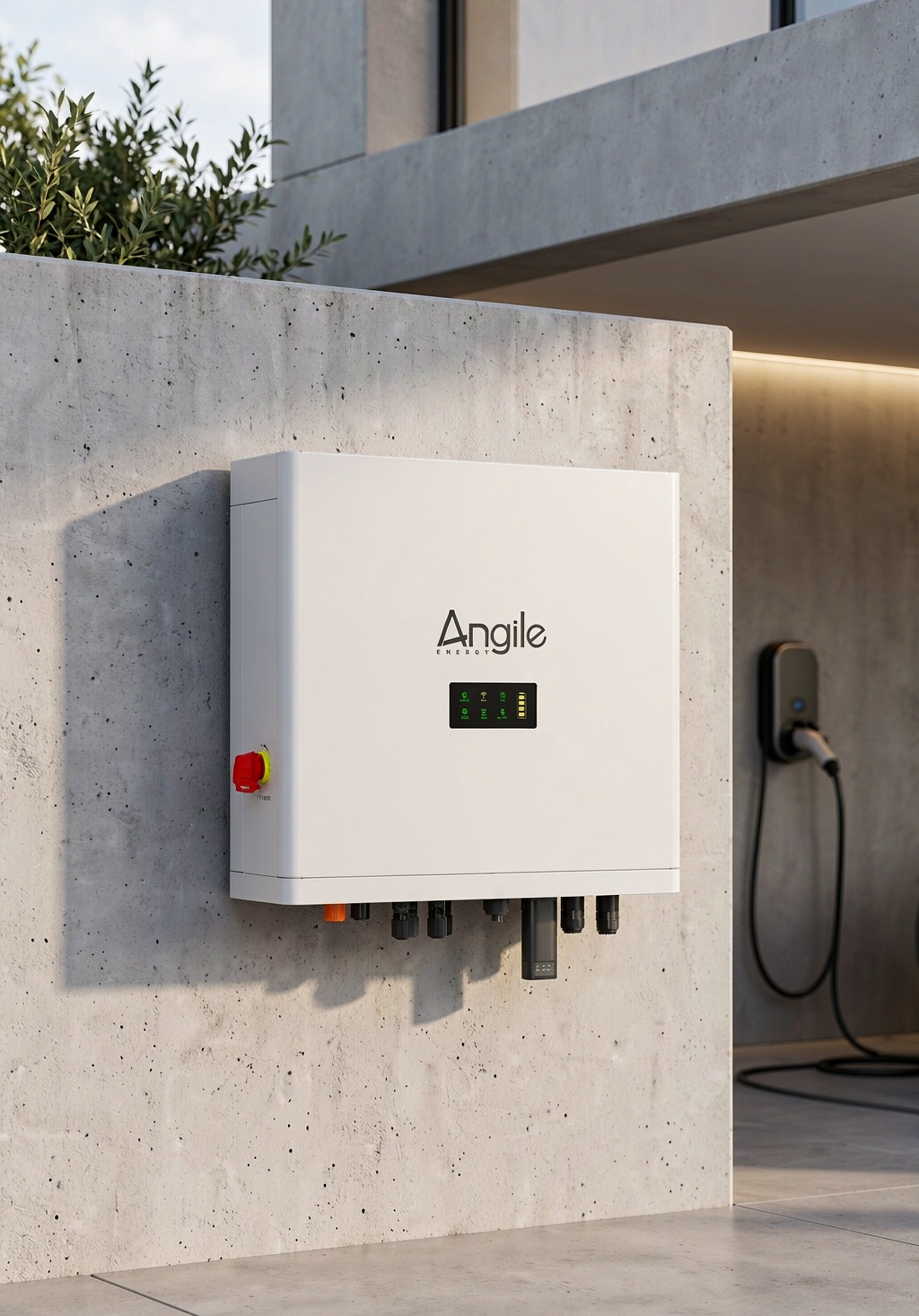
Unlike a basic PV inverter, a hybrid inverter can manage different energy flows within one system. It can convert solar DC power into AC power for household use and manage battery charging and discharging. Angile describes its hybrid inverter as a bidirectional energy management system that works with both solar panels and batteries.
This can make a hybrid system more suitable when a homeowner plans to add battery storage, use more solar energy at home, or prepare for backup power.
However, “better” depends on the system. A home without battery storage may not need all the functions of a hybrid inverter.
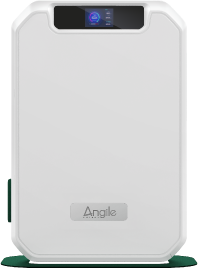
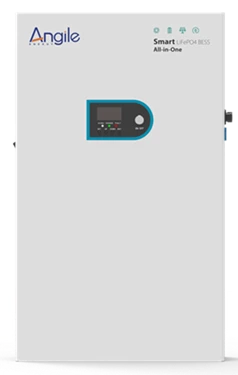
Angile's residential energy storage solutions combine solar generation, battery storage and energy management. You can explore the full range of solutions on the Angile Energy website.
When Should You Replace a PV Inverter Hybrid System?
Replacement can make sense when the existing inverter has frequent faults, poor performance, limited compatibility, or an expired warranty combined with high repair costs.
It can also be considered when upgrading the entire energy system. For example, a homeowner who originally installed solar panels with a standard PV inverter may later want to add batteries. In this situation, replacing the existing inverter with a suitable hybrid model can simplify the new system.
Angile offers single-phase hybrid inverter models from 4 kW to 6 kW and three-phase models from 8 kW to 12 kW. Its listed features include remote firmware upgrades, reverse power-flow protection, a 5-year warranty, and support for up to 150% PV panel oversizing.
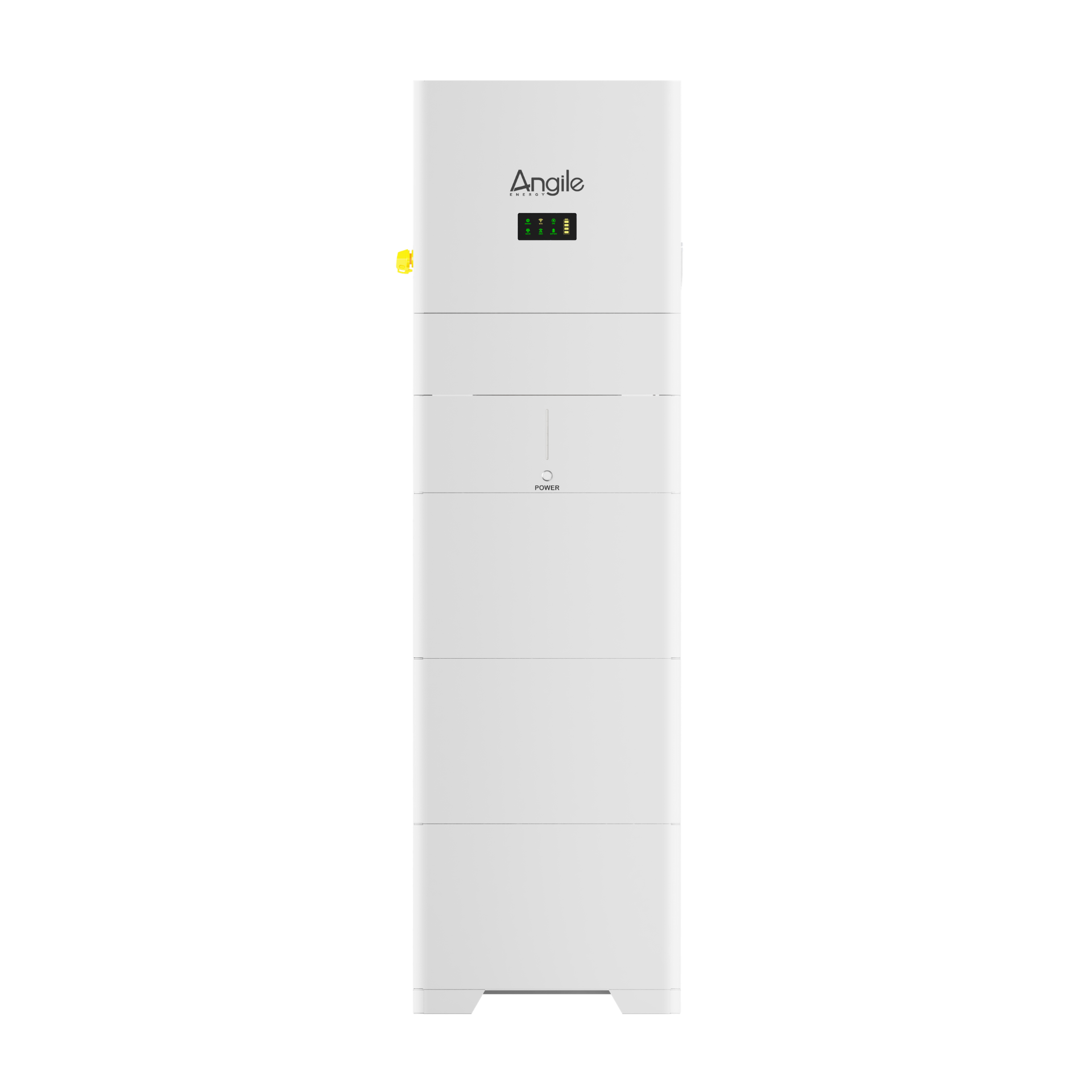
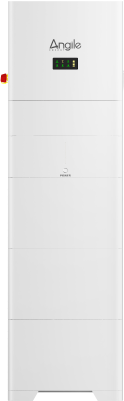
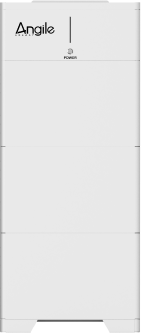
ePowerCUBE AIOT Series
A three-phase residential energy storage system designed for homes combining solar generation, battery storage and energy management.
- AC output: 8–10 kW
- Maximum PV input: 15 kW
- Battery capacity: 5.12 kWh per module
- Battery type: LFP
- Protection: IP65
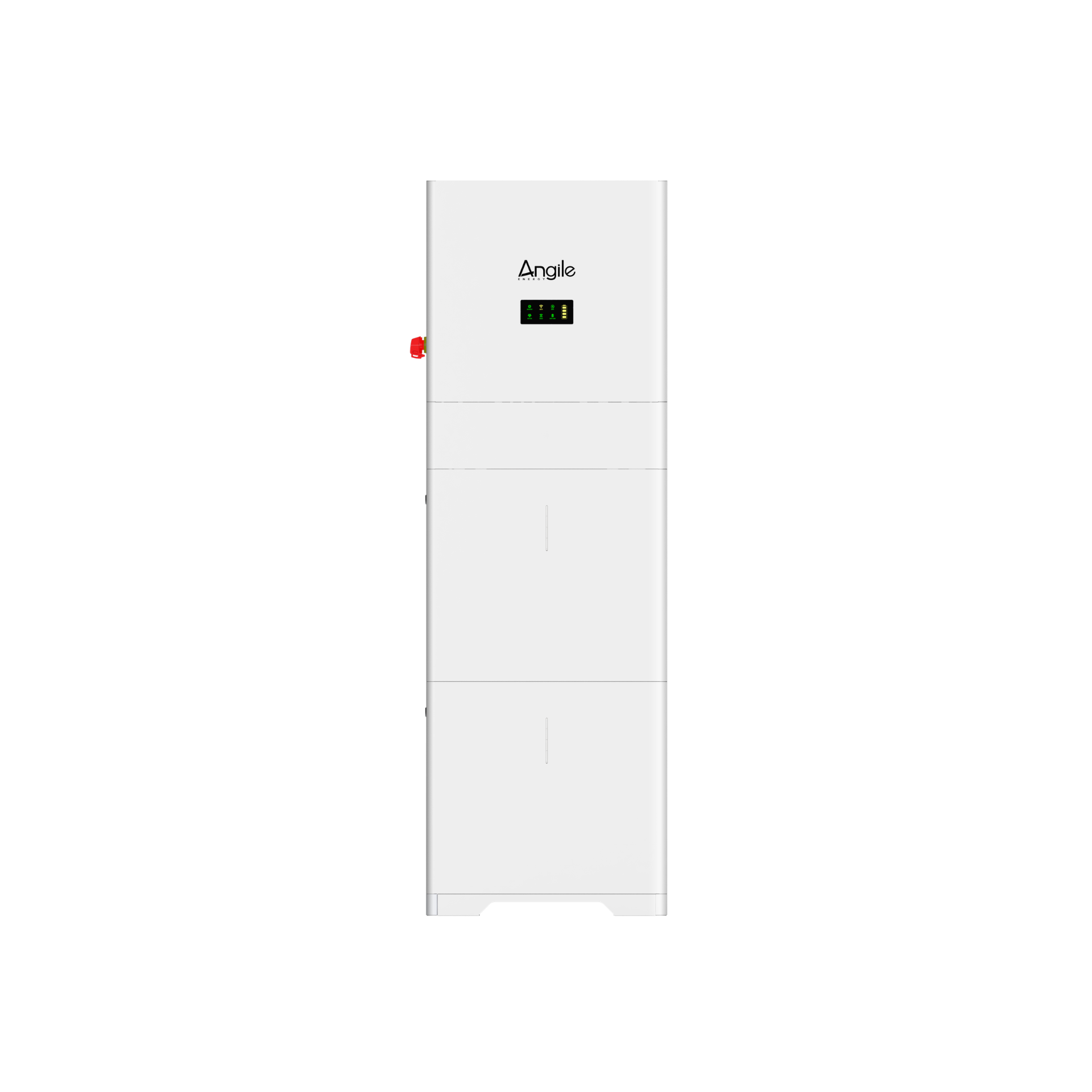
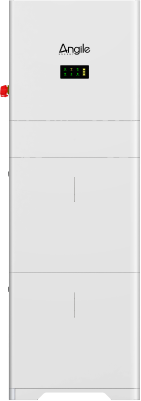
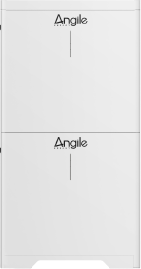
ePowerCUBE AIOS Series
A single-phase residential energy storage system for homes looking to combine solar power, battery storage and intelligent energy management.
- AC output: 4.6–6 kW
- Maximum PV input: 7 kW
- Battery capacity: 5.12 kWh per module
- Battery type: LFP
- Protection: IP65
How Can You Extend Your Inverter's Life?
Regular maintenance can help an inverter operate reliably for longer.
Keep the inverter in a suitable location with good ventilation. Avoid unnecessary exposure to water, excessive heat, and dust. Check monitoring data regularly and respond to warning messages rather than ignoring them.
It is also important to match the inverter with the correct battery and solar system. Angile provides both high-voltage and low-voltage residential battery options as part of its energy storage solutions.
The Bottom Line
There is no single replacement date that applies to every solar inverter. Instead, look at performance, faults, compatibility, operating conditions, and warranty coverage.
If your existing inverter is working normally, replacement may not be necessary. If you are expanding your solar system or adding battery storage, however, a modern PV inverter hybrid can provide a practical way to manage solar generation, battery charging, and household energy use in one system.