

Table of Contents (Click to expand)
Think about energy usage like moving into a new home. At the beginning, you may have plenty of empty space and only a few things to power. But as time goes by, your home becomes more active and your electricity needs grow.
Today, almost every part of daily life uses electricity. From household appliances, heating and cooling systems to home offices and EV chargers, more devices are becoming electric. Even our cars are increasingly powered by electricity. As a result, the energy demand of a home can look very different after several years compared with the day the system was first installed.
This is why Home Batteries with a scalable design can be a practical choice. You do not necessarily need to install a large battery system from the beginning. Instead, you can start with the capacity that fits your current needs and add more storage as your household's energy use grows. This gives homeowners more flexibility without requiring them to replace the entire energy storage system.
Why Would You Need More Home Battery Capacity?
The right battery size depends on how much electricity a home uses and when that electricity is needed.
A smaller system may be enough for a household with moderate evening consumption. However, a home with an EV charger, heat pump, or larger solar installation may need considerably more storage.
Expanding the battery can help homeowners:
- Store more surplus solar energy.
- Use more self-generated electricity at night.
- Increase backup capacity during grid outages.
- Better match battery storage with changing energy consumption.
- Take greater advantage of time-of-use electricity tariffs.
For European households, this flexibility can be particularly useful as electricity prices and household energy patterns change.
Series vs. Parallel: What Is the Difference?
Battery modules can generally be connected in series or parallel, depending on the system architecture.
In a series configuration, battery units are connected to increase the system voltage. The overall performance depends on how well the connected modules work together. If one module performs significantly differently from the others, it can affect the operation of the system.
Parallel configurations connect battery units to increase available capacity and current. This approach can make it easier to build a larger storage system, but proper current distribution and battery management are important.
For homeowners, the key point is simple: battery expansion should not be treated as simply adding another battery. The inverter, BMS, battery voltage, communication system, and installation design all need to be compatible.
What Should You Check Before Expanding Home Batteries?
Before adding battery modules, check several important points.
- Check compatibility. New batteries should be designed to work with the existing inverter and battery management system.
- Check capacity limits. Every inverter and battery system has a maximum supported storage capacity. Adding more modules than the system is designed for can cause operational or safety problems.
- Consider battery condition. Mixing batteries with very different ages, states of charge, or operating histories may affect system performance. A professional installer should assess the existing system before expansion.
- Check local requirements. European countries have different grid connection, installation, and certification requirements. Expansion should follow the applicable local rules and be completed by a qualified installer.
A Modular Approach Makes Expansion Easier
A modular battery system is designed around the idea that storage capacity can grow with the household.
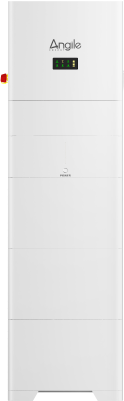
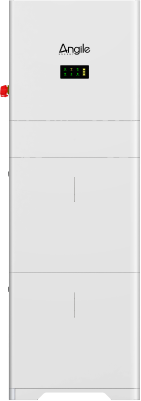
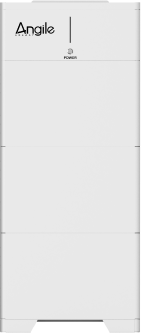
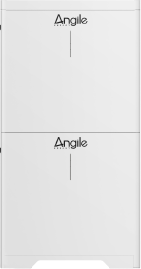
Angile Energy's residential battery solutions use stackable battery modules, allowing homeowners to build a system according to their current needs and expand it later. The ePowerCUBE BAHV high-voltage battery, for example, uses 5.12 kWh modules and supports up to 36 battery packs across the system architecture.
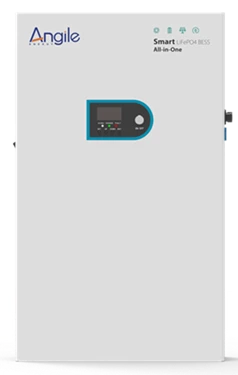
Angile Energy also offers low-voltage residential battery packs with a 5.12 kWh modular capacity and scalability of up to 36 battery packs.
This modular approach gives installers more flexibility when designing systems for different European homes.
Choose Home Batteries That Can Grow With Your Home
Home energy requirements rarely stay exactly the same for 10 years. A family may buy an EV, install a heat pump, add more solar panels, or simply consume more electricity.
For this reason, choosing a battery system only for today's needs may not always be the best approach. A scalable system can provide a more flexible path: start with the capacity you need now and expand when your energy demand increases.
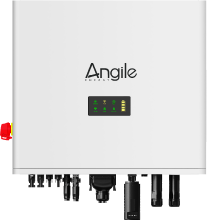
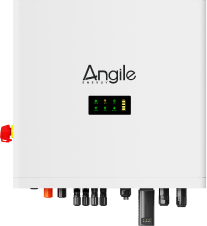
Angile Energy combines stackable LFP battery technology with residential hybrid inverters and intelligent battery management. Its ePowerCUBE residential systems are designed for scalable energy storage, with single-phase and three-phase solutions available for European homes.
For homeowners planning a long-term solar and storage investment, the ability to expand Home Batteries can be just as important as the initial battery capacity. A well-designed modular system can make it easier to adapt your home energy system as your needs change.