
Solar energy is the most popular choice to power your home. Though there's a lot to consider, many people may ask an important question:
Is solar energy renewable or nonrenewable?
The short answer is simple: solar energy is renewable.
Sunlight is a natural energy source that is continuously replenished. Unlike fossil fuels such as coal, oil, and natural gas, solar energy does not run out when used.
However, understanding why solar energy is renewable — and how to make the most of it — is important for homeowners considering solar power and residential battery storage.
In this guide, we explain what makes solar energy renewable, how it compares with nonrenewable energy sources, and why combining solar with home battery storage is becoming essential in 2026.
Renewable energy comes from natural sources that are replenished faster than they are consumed.
These sources include:
These resources naturally regenerate and can provide long-term sustainable electricity generation.
Solar energy is one of the most accessible renewable energy sources because sunlight reaches every part of the world and is constantly renewed by natural processes.
Nonrenewable energy comes from limited natural resources that take millions of years to form.
Common nonrenewable energy sources include:
Once these resources are used, they cannot be quickly replaced.
Nonrenewable energy also often creates environmental challenges such as:
This is why many countries are accelerating the transition to renewable energy systems.
Solar energy is renewable because sunlight is naturally replenished every day by the sun.
Using solar panels does not reduce the amount of sunlight available.
Unlike fossil fuels, solar energy does not rely on extracting finite resources from the earth.
This makes solar one of the most sustainable long-term energy solutions for homes and businesses.
Some people question whether solar energy is truly renewable because solar panels are manufactured using raw materials such as:
It is true that producing solar panels and batteries requires industrial manufacturing.
However, this does not make solar energy nonrenewable.
The key difference is:
The equipment used to capture solar energy is manufactured, but the energy source itself — sunlight — is naturally renewable.
Modern solar technology also continues to improve in:
Solar panels capture sunlight and turn it into electricity using photovoltaic (PV) cells.
First, the solar panels absorb sunlight. The PV cells collect solar energy from the sun. Next, this energy is converted into direct current (DC) electricity. A hybrid inverter then converts the DC electricity into alternating current (AC), which can power household appliances.
The electricity can then be used in different ways. It can power your home right away, charge a residential battery for later use, or be sent back to the grid. This is why energy storage is important. It allows homeowners to store extra solar power and use it when sunlight is not available.
Solar panels generate electricity only when sunlight is available.
This creates several challenges:
Without battery storage, excess daytime solar energy is often sent back to the grid instead of being used when your home needs it most.
Pairing solar panels with residential battery storage helps homeowners maximize renewable energy use.
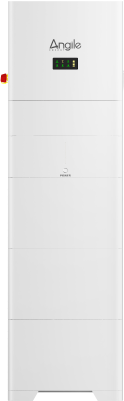
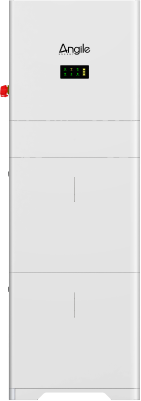
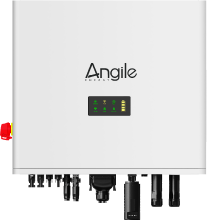
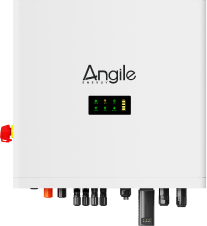
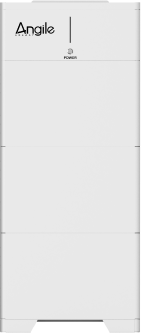
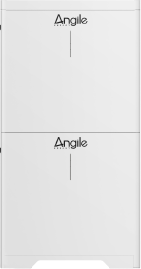
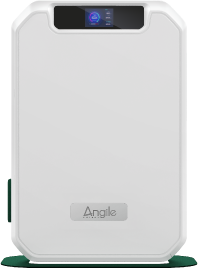
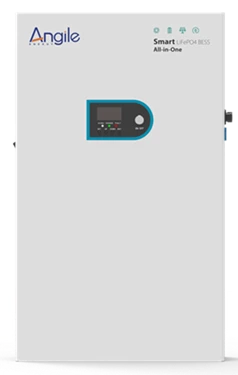
Modern all-in-one storage systems integrate hybrid inverters, battery packs, and intelligent energy management for smarter home energy control. Angile’s integrated residential solutions combine these features into scalable systems designed for modern homes.
A solar battery system allows homeowners to store excess solar energy and save daytime energy for use at night. This ability to increase self-consumption means you can use more of your own solar electricity instead of buying from the grid. As a result, you can reduce electricity bills by using stored energy during peak electricity pricing periods. Additionally, a solar battery system can maintain backup power, keeping essential appliances running during outages. It also helps improve energy independence by reducing reliance on unstable utility pricing.
Angile Energy’s residential storage systems combine intelligent monitoring and integrated energy management to optimize home energy use in real time.
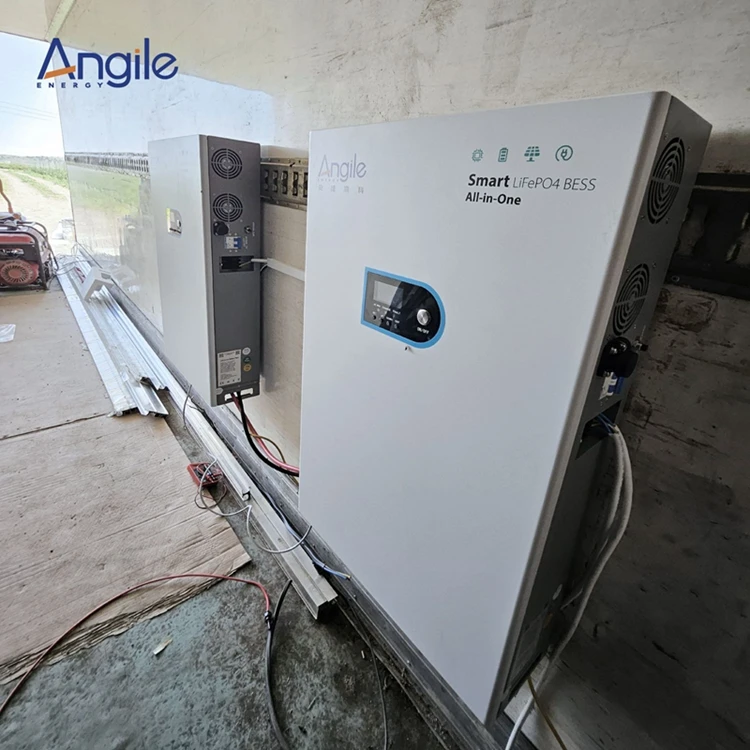
In many global markets, especially Europe, energy costs continue to rise while grid reliability and energy independence have become major concerns.
Residential battery adoption is growing because homeowners want:
Across European markets, integrated residential energy storage solutions are becoming an important part of modern home energy systems.
Yes, solar energy is one of the cleanest electricity sources available.
Compared with fossil fuels, solar power produces:
When paired with battery storage, solar systems become even more efficient by reducing wasted renewable electricity.
Is solar energy 100% renewable?
Yes. Sunlight is naturally renewable. The solar equipment used to capture energy requires manufacturing, but the energy source itself is renewable.
Can solar energy run out?
No. The sun is expected to provide energy for billions of years.
Are solar panels environmentally friendly?
Yes. Although manufacturing has an environmental footprint, solar panels typically offset their production impact within a few years of operation.
Does battery storage make solar more efficient?
Yes. Battery storage allows homeowners to store excess electricity and use it when needed, improving overall solar system value.
How long do home solar batteries last?
Most high-quality residential battery systems last 10–15 years, depending on usage and battery chemistry.
Solar energy is clearly renewable.
But the future of renewable home energy is not just about generating electricity — it is about managing it intelligently.
The next generation of home energy systems combines:
This integrated approach helps homeowners achieve better efficiency, lower electricity costs, and greater energy independence.
Solar power is renewable.
But to fully unlock its value, homeowners need smart energy storage.
Angile Energy provides advanced all-in-one residential energy storage systems designed to help homeowners store clean solar power, improve self-consumption, and build a more reliable energy future through intelligent integrated solutions and local support across European markets.
By combining solar with battery storage, homeowners can move closer to true energy independence in 2026 and beyond.