

Table of Contents (Click to expand)
Lithium batteries are becoming a common part of modern energy storage. More homes, businesses, and renewable energy projects are installing battery systems to store electricity and use it when needed.
This growth is positive. But selling more batteries does not automatically mean we are designing better lithium battery energy storage systems.
In practice, choosing the right battery involves much more than looking at capacity, weight, or price. A battery needs to work as part of a complete energy system. Here are five common mistakes worth avoiding.
1. Assuming a Bigger Battery Is Always Better
A larger lithium battery is not automatically a better battery system.
Capacity is only one part of the equation. Before selecting a battery, you should understand the property's actual electricity consumption and load profile.
Other factors also matter, including depth of discharge (DoD), charge and discharge power, usable capacity, inverter compatibility, and expected runtime.
For example, a household with relatively low energy consumption may not benefit from simply installing the largest battery available. A properly sized system can be more practical and cost-effective.
2. Assuming Any Lithium Battery Works With Any Inverter
Battery and inverter compatibility is one of the most important parts of energy-storage system design.
A lithium battery is not simply a box that stores electricity. Its BMS needs to work correctly with the inverter to manage charging, discharging, protection, and operating limits.
Voltage range, communication protocols, BMS compatibility, and inverter-battery integration all need to be checked before installation.
A battery that looks suitable on paper may not perform properly if it is not designed to communicate with the selected inverter.
3. Using the kWh Rating to Predict Runtime
Another common mistake is assuming that a battery's kWh rating directly tells you how long it will power a load.
It does not.
A 10 kWh battery does not necessarily deliver 10 kWh of usable energy to appliances under every operating condition. Usable capacity, system efficiency, operating limits, inverter losses, and the actual load profile all affect the result.
This is why two homes using the same battery can have very different backup times.
Instead of asking, “How long will this battery last?”, start with “What loads do I need to power, and when?”
4. Looking Only at Cycle Life
Cycle life is an important battery specification, but it should not be the only measure of quality.
Cell quality, BMS design, thermal management, operating conditions, warranty, system integration, and manufacturer support all influence long-term performance.
A good lithium battery energy storage system needs these elements to work together.
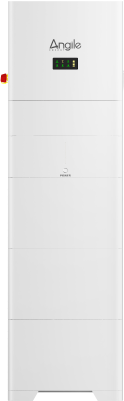
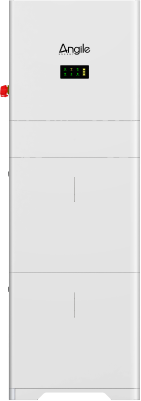
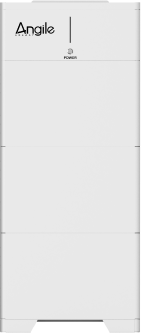
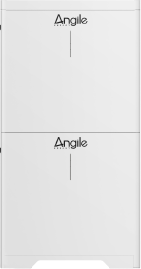
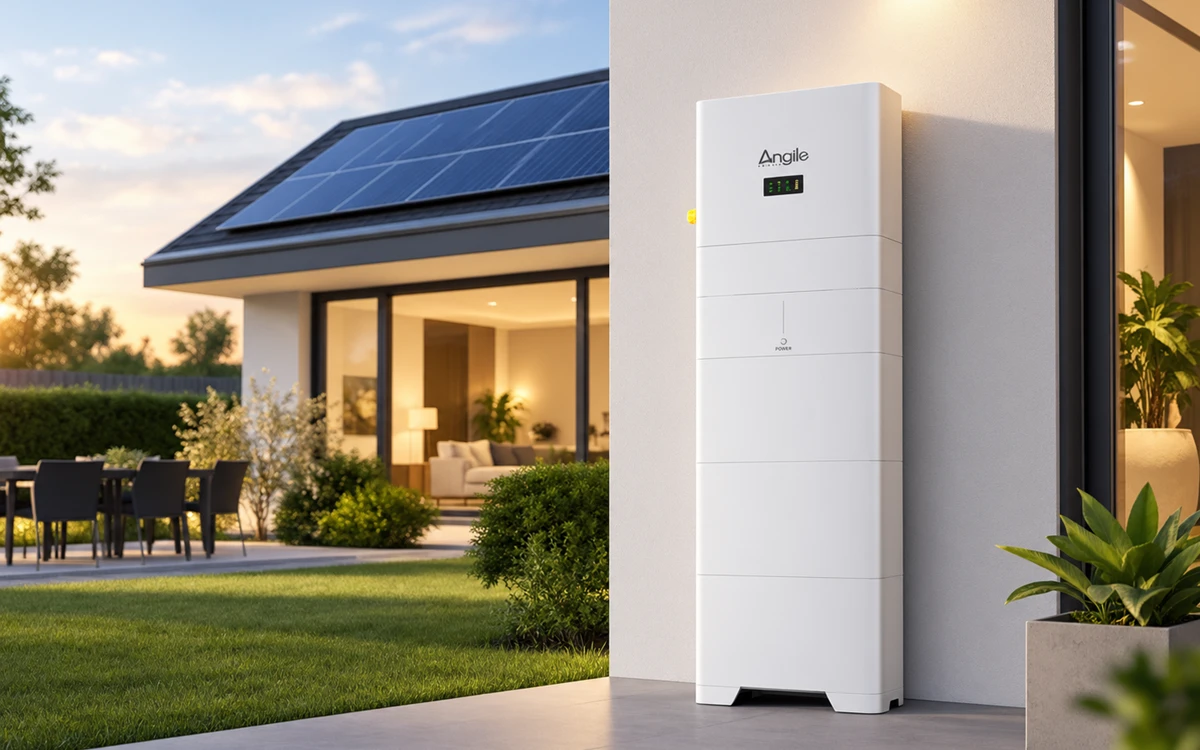
For residential applications, Angile Energy offers both high-voltage and low-voltage stackable battery packs, giving system designers more flexibility when matching storage to different applications.
5. Thinking Battery Storage Is Only for Backup
Backup power is an important function, but modern energy storage systems (ESS) can do much more.
Depending on the application, battery storage can support:
- Solar self-consumption.
- Energy shifting.
- Peak management.
- Energy cost optimisation.
- Grid support.
- Diesel reduction.
- Microgrid applications.
- Backup power.
This makes energy storage an energy-management tool, rather than simply an emergency power source.
Better Battery Systems Start With the Right Question
The conversation around lithium batteries needs to move beyond:
“How many hours can it last?”
A better question is:
“What energy problem are we trying to solve?”
That question helps determine the right battery capacity, inverter power, operating strategy, and system architecture.
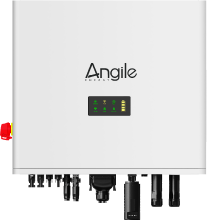
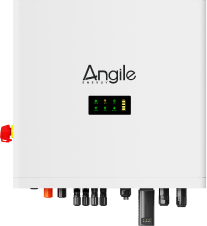
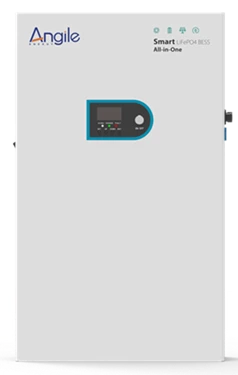
Angile Energy takes an integrated approach by combining hybrid inverters, battery packs, BMS, EMS, and energy-management technologies in its residential energy-storage solutions. Its hybrid inverter range includes single-phase models from 4 kW to 6 kW and three-phase models from 8 kW to 12 kW.
As lithium battery storage continues to grow, the goal should not simply be to install more batteries.
The real goal is to design better energy-storage systems that match the user's needs today and can adapt to tomorrow's energy demands.