

A low voltage battery is a popular option for residential solar energy storage. It allows homeowners to store surplus electricity generated by solar panels and use it later, especially during the evening when solar production is low. For European households looking to improve solar self-consumption and manage electricity costs, understanding how a low voltage battery works can help when choosing a suitable home energy storage system.
Table of Contents
What Is a Low Voltage Battery?
A low voltage battery is an energy storage unit that operates at a relatively low DC voltage. In residential solar systems, 48V-class batteries are common. Many modern lithium iron phosphate (LiFePO4) models have a nominal voltage of 51.2V.
The battery stores electricity generated by solar panels during the day. A compatible hybrid inverter then converts this stored DC electricity into AC power for household appliances.
For European homeowners, this can be useful when solar production is higher than daytime consumption. Instead of sending all excess electricity to the grid, a home can store some of it for evening use.
Why Choose a Low Voltage Battery for Home Energy Storage?
Low voltage batteries offer several practical benefits:
- Flexible installation: Many residential systems use modular battery designs, making it easier to increase storage capacity when household energy needs grow.
- Suitable for daily use: They can store surplus solar power for evening consumption and help manage time-of-use electricity tariffs.
- Simpler system planning: Low-voltage systems are widely used in residential and smaller off-grid applications.
- Expandable storage: Multiple compatible battery modules can be connected to increase total capacity.
However, low voltage does not automatically mean better performance. At the same power output, a lower-voltage system requires more current. This means cable sizing, battery current limits and inverter capacity need careful attention.
What Should You Check Before Buying a Low Voltage Battery?
Choosing a battery involves more than comparing prices and capacity. Here are four important factors.
1. Battery Capacity
Capacity is measured in kilowatt-hours (kWh). A 5 kWh battery may suit a household with moderate evening consumption, while a larger home may need 10 kWh or more.
Check usable capacity rather than relying only on the advertised nominal capacity.
2. Inverter Compatibility
Not every battery works with every hybrid inverter. Check the battery voltage range, maximum charging and discharging current, and communication protocol. CAN or RS485 communication helps the inverter and battery management system exchange operating information.
3. Battery Management System (BMS)
A reliable BMS monitors battery conditions and helps protect against overcharging, over-discharging, excessive current and temperature problems.
4. Expansion and Warranty
If your household plans to add an EV charger, heat pump or other electrical equipment, consider whether additional battery modules can be installed later. Also check the warranty period and stated cycle-life conditions.
Is a Low Voltage Battery Suitable for European Homes?
For many European households, a low voltage battery can be a practical choice, especially when the goal is to store rooftop solar energy and increase self-consumption.
For example, a family in Germany may generate surplus solar power during sunny afternoons but use more electricity in the evening. A home battery can store part of this excess energy and supply it when solar production falls.
The same principle applies to households in Italy, the Netherlands and other EU markets where electricity prices and time-of-use tariffs can influence when homeowners buy or use electricity.
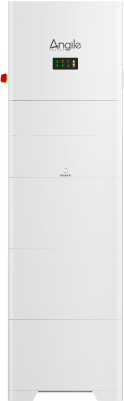
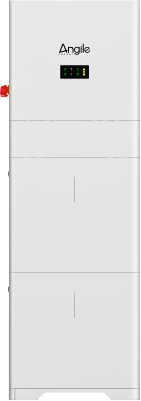
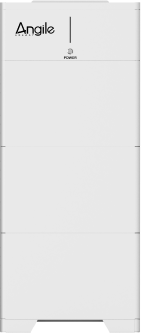
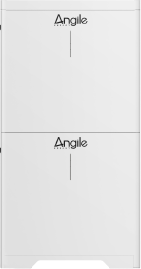
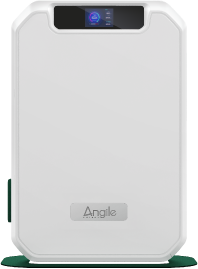
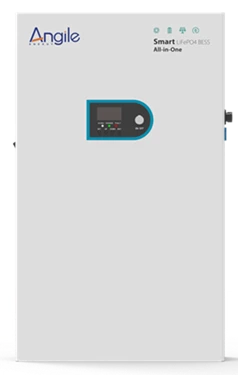
Angile Energy offers stackable low-voltage battery packs designed for residential energy storage. Its modular approach allows homeowners and installers to plan storage capacity around actual household requirements.
Explore the Angile Energy low-voltage residential battery pack to learn more about the available solution.
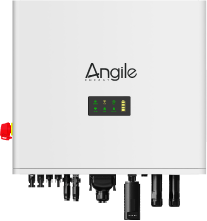
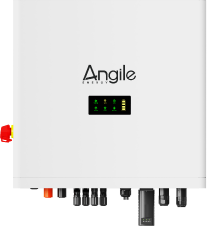
Before installation, always confirm that the battery and hybrid inverter are designed to work together. Angile Energy's hybrid inverters are designed for use with its own-brand battery products, so compatibility should be checked when planning a complete system.
You can also visit Angile Energy to explore its residential energy storage solutions.
Frequently Asked Questions About Low Voltage Batteries
1. Is a 48V battery the same as a 51.2V battery?
They generally refer to the same battery class. A typical 51.2V LiFePO4 battery uses 16 cells connected in series, with 48V being the traditional system classification.
2. Can I connect a low voltage battery to any solar inverter?
No. The inverter must support the battery's voltage range, charging current and BMS communication protocol. Always check the manufacturer's compatibility list before installation.
3. How long does a low voltage solar battery last?
Its lifespan depends on battery chemistry, cycle life, temperature, depth of discharge and usage. Check the manufacturer's cycle-life rating and warranty conditions rather than relying on a fixed number of years.
4. Can I connect multiple low voltage batteries together?
Yes, many residential battery systems support parallel connections to increase total storage capacity. However, the battery manufacturer must approve the configuration, and the inverter must support the combined capacity and current.
5. Is a low voltage battery safe for home use?
Yes, when it is properly designed, installed and operated. A reliable BMS, suitable electrical protection and correct inverter configuration are important for safe operation.
Choose the Right Low Voltage Battery for Your Home
A low voltage battery can be a practical solution for homeowners who want to store surplus solar energy, improve self-consumption and make better use of their solar installations. However, battery capacity, inverter compatibility, BMS protection and future expansion should all be considered before making a decision.
Angile Energy provides stackable low-voltage battery packs and residential energy storage solutions for the European market. Choosing a suitable system with the right technical support can help make home energy storage more flexible and reliable.
Explore Angile Energy or learn more about the low-voltage residential battery pack.