

Table of Contents (Click to expand)
Reliable electricity is not always available everywhere. In remote villages, farms, telecom sites, construction areas, and other locations far from the grid, connecting to conventional power infrastructure can be difficult and expensive. Diesel generators are often used as an alternative, but fuel costs, maintenance, noise, and emissions can make long-term operation challenging.
This is where an off-grid energy storage system (ESS) can provide a practical solution. By combining solar generation, battery storage, and an off-grid inverter, remote sites can produce and store their own electricity and use it when power is needed.
Why Energy Storage Matters for Off-Grid Power
Solar energy is a useful power source for remote locations because it can generate electricity without requiring a grid connection. However, solar production changes with weather and daylight hours. Electricity is often needed after sunset or during periods of low solar generation.
An ESS helps solve this mismatch. During periods of strong solar production, excess electricity can be stored in batteries. When solar generation falls, the stored energy can be used to supply loads.
This makes the overall system more stable and reduces dependence on fuel-based backup generation. For sites that need electricity around the clock, the combination of solar and storage can provide a more flexible way to manage energy.
Where Can Off-Grid ESS Be Used?
Off-grid energy storage is suitable for many applications where reliable grid power is unavailable or difficult to access.
- Remote farms and agricultural sites can use stored solar energy for irrigation pumps, lighting, monitoring equipment, and other electrical loads.
- Telecommunication sites need reliable power to keep communication equipment running. Solar and battery storage can reduce the need for frequent fuel delivery to remote locations.
- Construction and temporary project sites may also benefit from an off-grid ESS when a permanent grid connection is not yet available.
- Other potential applications include remote homes, small workshops, rural facilities, outdoor monitoring stations, and emergency power systems.
The common requirement is simple: the site needs dependable electricity but has limited access to conventional grid infrastructure.
Angile Energy OGES-Series for Remote Power Applications
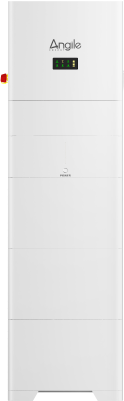
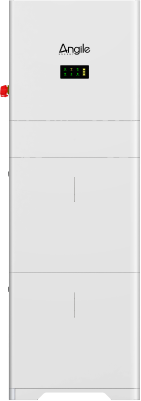
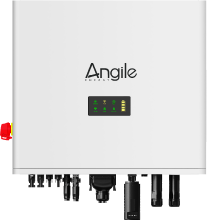
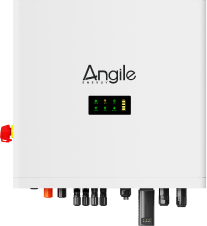
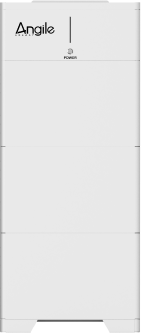
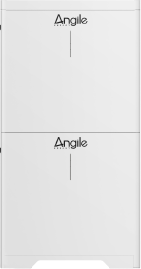
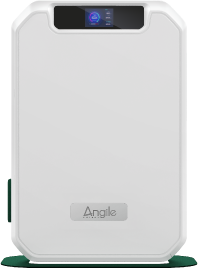
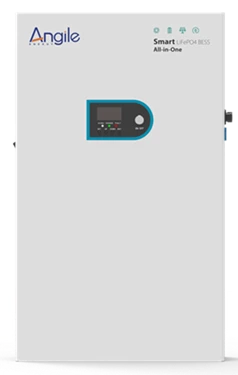
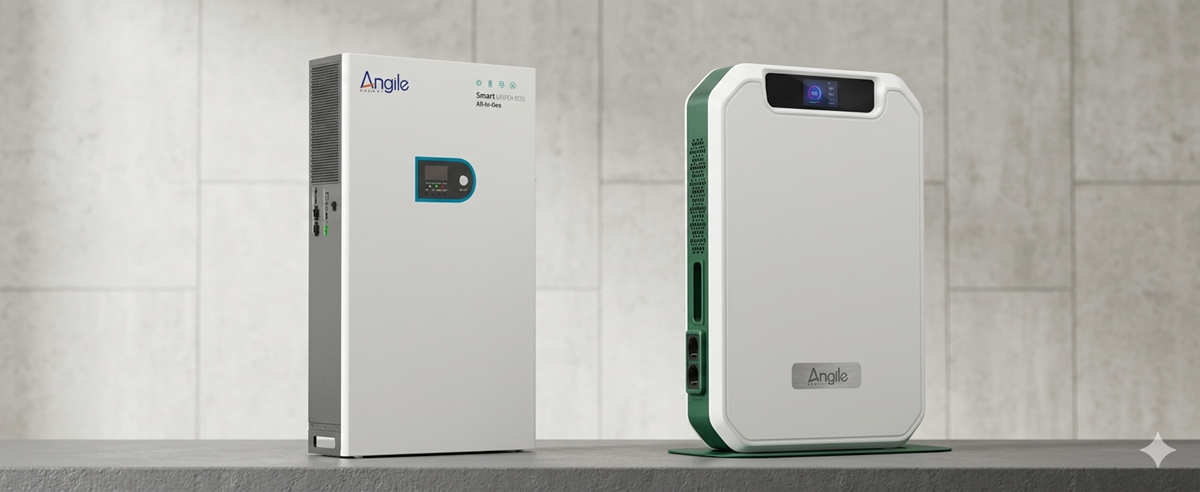
For these applications, Angile Energy's OGES-Series offers 3K and 5K options for off-grid energy systems.
OGES 3K
The OGES 3K is suitable for smaller loads and compact installations where a moderate amount of power is required. It can be considered for remote cabins, small farms, communication equipment, monitoring systems, and other low-power applications.
OGES 5K
For sites with higher power requirements, the OGES 5K provides a larger capacity option. One important advantage is its parallel expansion capability. Up to 9 OGES 5K units can be connected in parallel, allowing the system to scale as energy requirements increase.
This makes the 5K model suitable not only for individual remote applications but also for larger off-grid power systems where higher output and greater system flexibility are needed.
Building a More Independent Energy System
An off-grid ESS can do more than provide backup electricity. When paired with solar panels, it can help a remote site reduce its dependence on diesel fuel and make better use of locally generated renewable energy.
Energy storage also provides flexibility. Different sites have different electricity needs, so a scalable system can be designed around the actual loads rather than relying on a fixed-size solution.
For smaller applications, the OGES 3K can provide a compact starting point. For higher-demand applications, the OGES 5K can be expanded through parallel connection, with up to nine units working together.
As more businesses and communities look for reliable power away from traditional grids, off-grid ESS solutions are becoming an important part of decentralized energy systems. With the right combination of solar generation, storage, and power conversion, remote locations can move closer to reliable and more self-sufficient energy.