
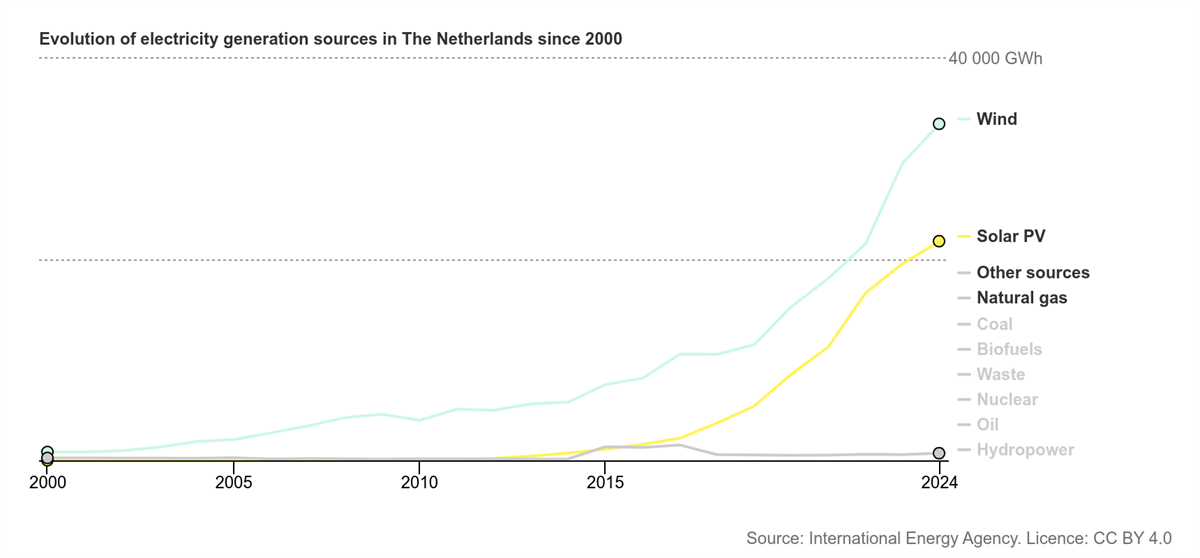
The Netherlands is reaching a major energy milestone. For the first time, more than half of its electricity is coming from renewable sources, driven by rapid growth in wind and solar power. This shift is more than a statistical achievement; it reflects a broader transformation in how Europe’s most energy-conscious markets are planning for resilience, independence, and long-term sustainability.
This moment matters not only for the Netherlands, but also for companies working across HEMS and C&I markets, especially those focused on integrated solar-storage solutions, local support, and compliance-ready deployment. It shows where the market is heading and why flexible, reliable energy systems are becoming essential.
The Netherlands has long been associated with natural gas, especially through the Groningen field, but that era is fading. Concerns over earthquake risks and the broader pressure to reduce fossil fuel dependence have accelerated the move toward renewables. At the same time, the disruption to global fuel markets in the Middle East pushed European countries to rethink their energy security strategies and reduce reliance on imported gas.
Wind and solar have filled much of that gap. Solar power has grown quickly across Dutch rooftops, while offshore wind farms in the North Sea are becoming a cornerstone of the country’s future electricity supply. The pace of change has been remarkable, with renewable generation doubling in just a few years.
Several forces have converged to push the Netherlands forward. Government incentives made rooftop solar attractive for homeowners, while net metering helped accelerate adoption. Public awareness of climate goals and energy security has also supported the transition. Together, these factors created the conditions for a fast and visible renewable buildout.
But the transition is not only about generation. It is also about infrastructure, storage, and system integration. As solar and wind grow, the grid must adapt to more distributed power flows, higher peaks, and seasonal variability. That is where integrated energy solutions become critical.
The Dutch case highlights an important truth: renewable energy works best when it is supported by smart hardware, storage, and control. A modern energy system needs more than panels or turbines. It needs hybrid inverters, battery storage, charging capability, and intelligent monitoring to manage electricity efficiently.
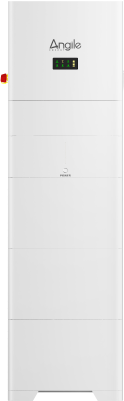
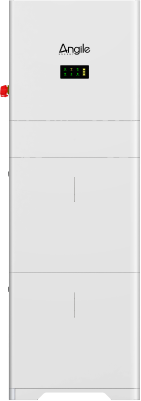
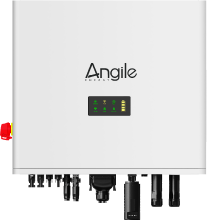
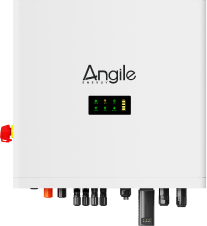
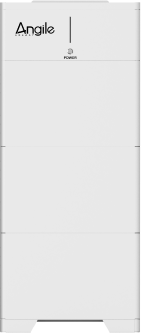
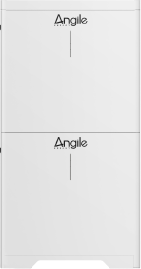
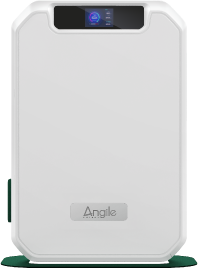
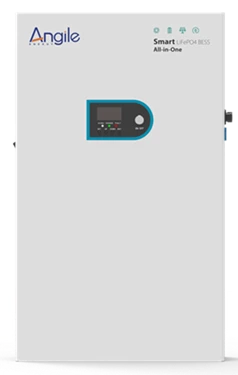
This is exactly where Angile Energy fits into the market. Angile Energy focuses on HEMS and C&I markets across key regions including the Netherlands, Italy, the United Kingdom, Germany, Ireland, Sweden, Poland, and Romania. The company’s approach is built around all-in-one integrated systems that combine a hybrid inverter, DC charger, AC charger, battery packs, and BMS into one cohesive solution.
Angile Energy’s product approach is designed for practical deployment. Its plug-and-play setup simplifies installation, while stackable modules make it easier to expand capacity as demand grows. The design is premium and space-saving, making it suitable for both residential and commercial environments.
Reliability is another major advantage. With IP65 protection, a 10-year battery pack warranty, and real-time monitoring through a smart app, the system is built for long-term performance and energy control. For markets that value efficiency and operational stability, these features matter.
Energy transitions are not only technical; they are also operational. Fast delivery, local installation support, and compliance with national grid standards can determine whether a project succeeds. Angile Energy emphasizes localized logistics and a professional network of local installers, helping customers move from planning to deployment with fewer delays.
This is especially important in Europe, where different countries have different regulatory requirements and grid conditions. Angile Energy’s presence across Northern Europe and Eastern Europe.
As renewable energy systems scale up, safety and certification become non-negotiable. Angile Energy highlights full compliance with international safety standards and local grid requirements, which supports secure and legal operation in each market. That kind of compliance is essential for commercial buyers, installers, and distributors looking for dependable partnerships.
In a market where grid congestion, policy shifts, and storage demands are becoming more common, certified systems with flexible architecture are increasingly attractive. They help reduce risk while supporting growth.
The Netherlands is showing what a mature renewable transition looks like: rapid solar adoption, large-scale offshore wind development, and a growing need for storage and system management. But the broader lesson extends beyond one country. Across Europe, the future belongs to energy solutions that are modular, intelligent, compliant, and easy to deploy.
Angile Energy’s positioning matches that direction well. With integrated systems, localized support, and a focus on key European markets, it is aligned with the next phase of the energy transition. As more countries adopt energy policy updates, demand will continue rising for solutions that turn renewable power into reliable everyday energy.