
Hybrid inverters are easily the hottest choice on the market right now because they seamlessly handle both on-grid and off-grid setups. But if you are just starting out, the sheer number of options can get confusing. Do you know the differences between single-phase and three-phase, or microinverters and traditional string inverters? Let's clear up the confusion.
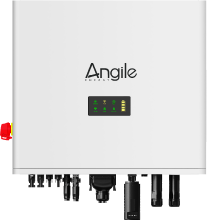
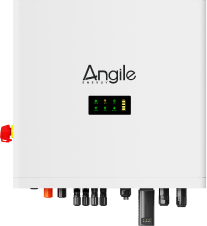
A hybrid inverter acts as an intelligent traffic controller. It balances power from your panels, your home battery storage, and the utility grid all at once. Because it supports both on-grid and off-grid choices, it keeps your lights on during a blackout while maximizing your daytime solar savings.
A standard string inverter connects a whole line of panels together like a chain of Christmas lights. It is highly reliable and budget-friendly, but if shade or leaves cover just one panel, the performance of the whole string drops.
These are tiny inverters attached to the back of every individual panel. Because they work independently, a shaded panel won't affect the rest of your roof. They are great for complex roofs but cost more upfront. Since they handle just one panel at a time, each microinverter is quite small—usually ranging from 300 to 500 watts.
When looking at string or hybrid inverters, you will also need to choose how they deliver power to your home's main electrical panel.
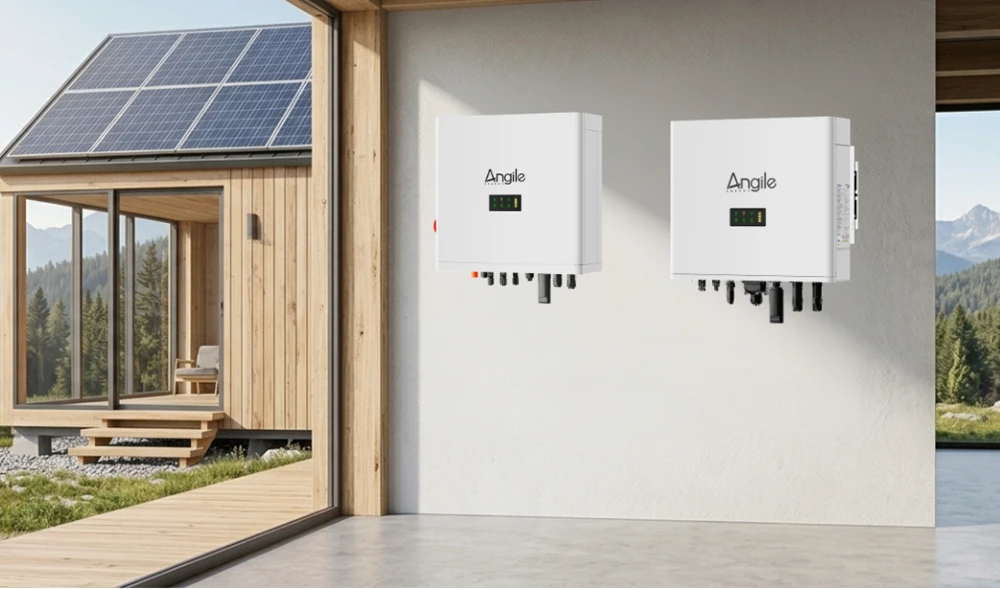
Choosing the right inverter comes down to your home’s roof, your budget, and your future energy plans. While specific brand names matter less than the actual technology type, you should always look for a manufacturer known for solid reliability and excellent after-sales support. Here is a simple checklist to help you decide:
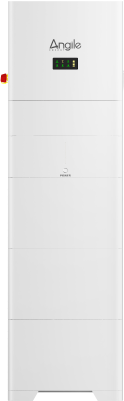
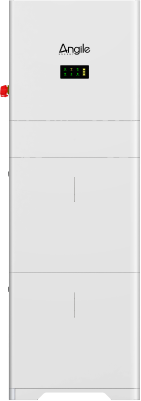
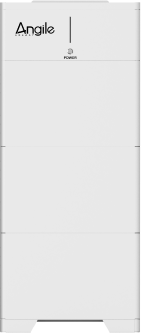
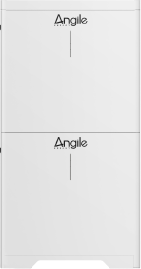
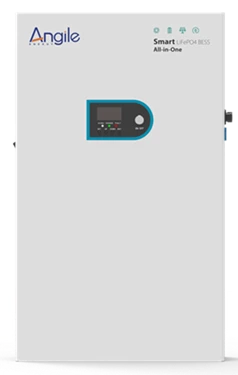
Are you planning to buy an electric vehicle (EV) or switch to an electric heat pump in the next few years? Your household energy use will naturally surge. Opting for a comprehensive, modern system—like an All-in-One residential storage solution that bundles a DC-coupled hybrid inverter with stackable batteries—future-proofs your home so you can easily expand your capacity as your family grows.