
Single-phase and three-phase power are two common types of AC (alternating current) power supply. They differ in terms of electrical structure, voltage, applications, wiring configuration, power transmission, and overall performance.
| Feature | Single-Phase Power | Three-Phase Power |
| Power Supply Structure | Consists of one live wire (L) and one neutral wire (N). | Consists of three live wires (L1, L2, L3) and an optional neutral wire (N). |
| Voltage | Typically 230 V. | Typically 400 V line-to-line. |
| Phase Relationship | One AC waveform with no phase offset. | Three AC waveforms of equal frequency and amplitude, separated by 120°. |
| Wiring | Two wires (live and neutral). | Three or four wires (three live wires, with or without a neutral). |
| Applications | Homes, offices, lighting, and small electrical appliances. | Industrial machinery, large motors, HVAC systems, elevators, production lines, and data centers. |
| Power Transmission | Lower power capacity with greater current fluctuations. | Higher power capacity with smoother, more stable power delivery. |
| Installation | Simple installation and maintenance. | Requires balanced load distribution and more complex wiring and protection systems. |
Both single-phase and three-phase power have their own advantages and limitations. The right choice depends on the required power capacity, application, equipment type, and overall cost.
Single-phase power is best suited for residential and small commercial applications where power demand is relatively low and ease of installation is important.
Three-phase power is the preferred solution for industrial and commercial environments that require high power, continuous operation, improved efficiency, and greater system stability.
Smart, Scalable, and Reliable Energy Storage Systems
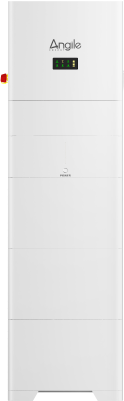
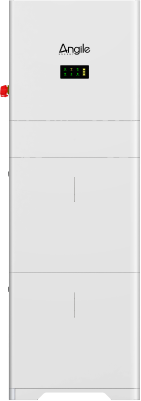
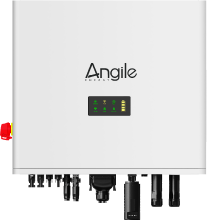
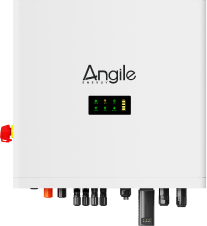
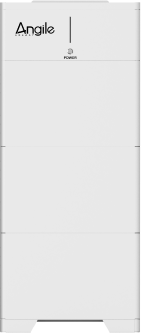
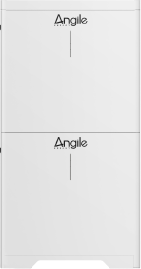
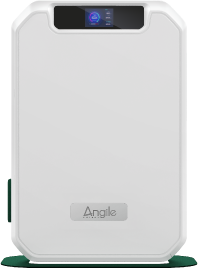
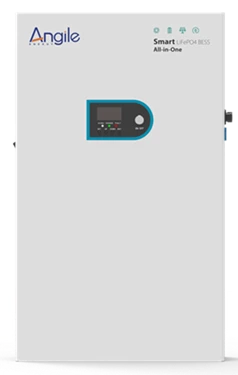
Angile’s residential energy storage solutions are built around 5kW–12kW hybrid inverters (PCS), compatible with both low-voltage (such as 51.2V) and high-voltage battery packs.
Users can start with a compact 5kWh setup and easily expand the system to 20–30kWh or more through modular battery additions.
The system supports off-grid operation, intelligent monitoring, and remote firmware upgrades, helping homeowners achieve greater energy independence and smarter energy management.
For commercial and industrial applications, Angile offers standardized outdoor liquid-cooled all-in-one cabinets in two main configurations: 105kW / 233kWh and 250kW / 500kWh.
These systems utilize high-performance Lithium Iron Phosphate (LFP) battery cells operating on a high-voltage platform of approximately 700–900V, while connecting to a 380V low-voltage distribution grid.
The “single cabinet as a power station” design ensures fast deployment and allows multiple cabinets to operate in parallel for larger-scale energy storage requirements.
For MW/MWh-scale projects, Angile adopts customized containerized integration solutions by combining multiple 250kW / 500kWh standard units into large-scale systems.
This highly integrated architecture enables rapid deployment and reliable operation for grid-level applications such as:
• Grid peak shaving and frequency regulation
• Renewable energy integration
• Utility-scale energy management
The solution provides scalability, operational efficiency, and strong support for modern smart grids.