
Modern farming depends on more than soil, water, and sunlight. Today’s farms increasingly use automated irrigation, greenhouse climate control, ventilation, pumps, sensors, and other electrical equipment to maintain stable growing conditions. When the power goes out, even a short interruption can affect crops, livestock, and daily operations.
This is where reliable energy storage can make a difference. By combining solar power, batteries, and a hybrid inverter, farms can build a more resilient energy system that keeps essential equipment running when grid power is unavailable.
Agricultural equipment does not always operate on a convenient schedule. Irrigation pumps may need to run during specific periods, while greenhouse fans, heating systems, cooling equipment, and ventilation may need to operate continuously.
A power outage can therefore create several problems:
For farms that depend on controlled environments, these interruptions can become costly. Reliable backup power helps farmers reduce this risk and maintain essential operations.
Solar panels can provide clean electricity during the day, but solar generation changes with weather and sunlight. A battery energy storage system can store excess solar energy and make it available when needed.
The basic setup is simple:
Solar panels → Hybrid inverter → Farm loads + Battery storage
During sunny hours, solar energy can power irrigation pumps and climate-control equipment while charging the battery. When solar production falls or the grid goes down, the battery can supply stored energy to selected loads.
This makes the energy system more flexible than relying on solar panels alone.
Water is one of the most important resources on any farm. Automated irrigation can help deliver water at the right time and in the right amount, but the system still depends on electricity.
Battery storage can provide backup power for critical irrigation equipment such as:
Instead of keeping every farm load powered during an outage, farmers can prioritize essential equipment. This approach can extend backup time while keeping the most important agricultural processes operational.
Greenhouses are another area where continuous power can be important. Crops inside a controlled environment may depend on fans, ventilation, heating, cooling, lighting, and circulation systems.
A sudden outage can quickly change the temperature and humidity inside the greenhouse. Depending on the crop and weather conditions, this can create stress for plants.
An energy storage system can provide backup electricity for priority climate-control equipment. With a properly designed system, stored energy can help keep ventilation and temperature-control equipment operating until grid power returns.
Energy storage is not only about backup power. A smart system can also help farmers manage when and how electricity is used.
For example, solar power can be used directly for daytime irrigation. Excess electricity can charge the battery instead of being wasted. Later, the stored energy can support farm loads when solar production decreases.
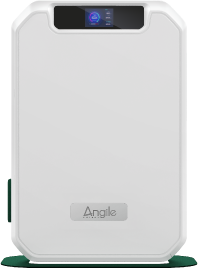
An intelligent energy management system can also help monitor consumption and prioritize important loads. Angile Energy solutions include real-time energy monitoring and smart energy management through AE Studio.
This can give farmers a clearer view of energy production, storage, and consumption.
Every farm has different power requirements. A small greenhouse may need a relatively modest backup system, while a larger agricultural operation may require several battery modules and a three-phase inverter.
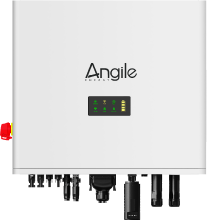
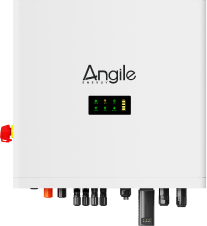
Angile Energy's hybrid inverter range includes single-phase models from 4 kW to 6 kW and three-phase models from 8 kW to 12 kW. The inverter supports solar and battery energy management and includes a 150% off-grid overload capability.
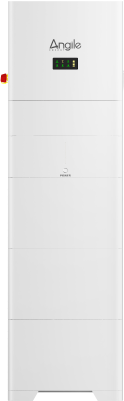
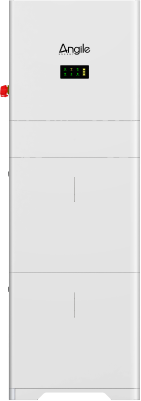
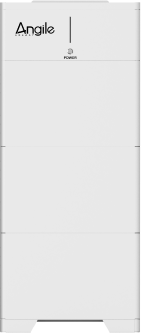
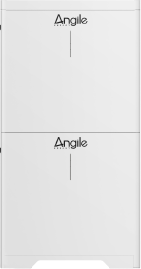
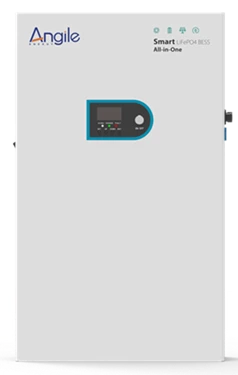
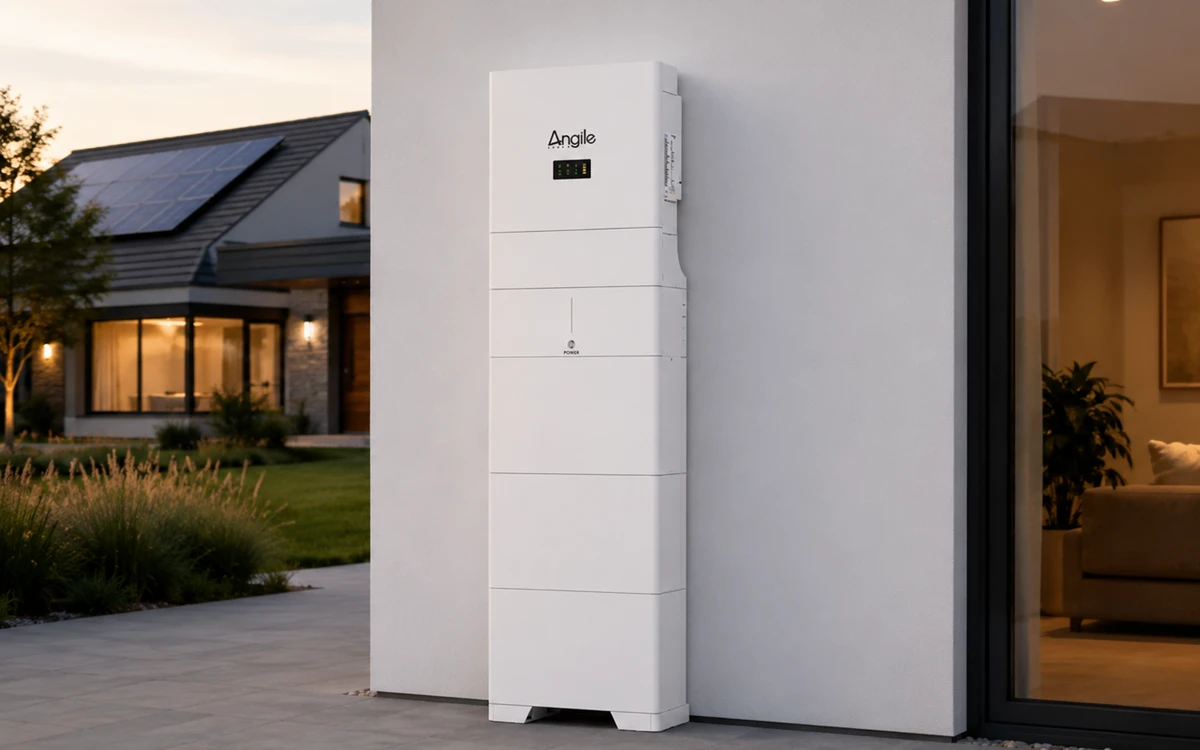
Battery capacity is another important consideration. The Angile Energy ePowerCUB Storage System uses 5.12 kWh battery modules and can be expanded through multiple battery modules for larger energy needs.
Farmers should consider both power capacity, which determines what equipment can run at once, and battery capacity, which determines how long the equipment can operate.
Smart farming is about using technology to make agricultural operations more efficient and predictable. But smart equipment is only useful when it has a reliable energy supply.
Solar generation combined with battery storage and a hybrid inverter can provide a practical way to protect essential farm operations. It can support irrigation, greenhouse climate control, monitoring systems, and other critical loads while also making better use of renewable energy.
For farms looking to reduce dependence on the grid, the goal is not necessarily to power everything during an outage. Instead, it is to identify the systems that matter most and make sure they stay running.
With the right energy storage design, farmers can turn renewable energy into a more dependable resource—helping crops, irrigation, and climate-control systems keep working when the grid cannot.