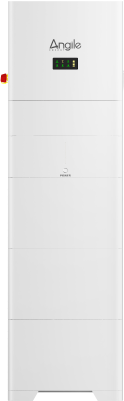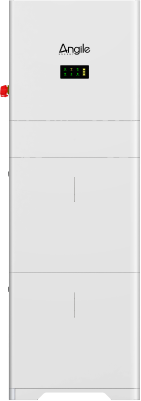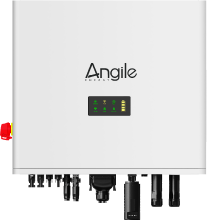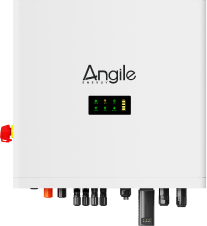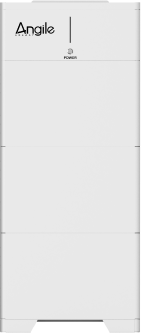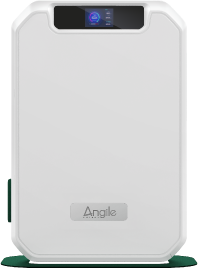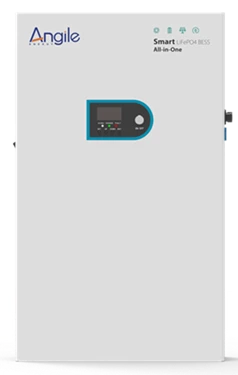

A hybrid inverter is one of the most important parts of a modern home energy storage system. It connects solar panels, batteries, the home, and the electrical grid, helping them work together as one system. But not every hybrid inverter offers the same level of performance.
A high-efficiency hybrid inverter does more than convert DC electricity into AC power. A truly smart inverter can monitor energy use, manage power flows, protect the system, and adjust operation based on changing energy conditions.
So, what should homeowners and installers look for? Here are six key features that make a hybrid inverter smarter and more efficient.
The first feature to look at is efficiency. Every time electricity is converted from one form to another, some energy can be lost. A high-efficiency inverter reduces these losses, allowing more of the electricity generated by solar panels or stored in the battery to be used by the home.
This is especially important in a hybrid system because electricity may move between several components. Solar power can charge the battery, the battery can supply the home, and the grid can also charge the battery when needed.
A well-designed hybrid inverter helps keep these energy transfers efficient. Over the lifetime of a solar and battery system, even small improvements in efficiency can make a difference to overall energy use and savings.
Minimal Conversion Loss | Single-Phase 4–6 kW | Three-Phase 8–12 kW | Optimized Lifetime Savings
For example, Angile Energy's hybrid inverter range includes single-phase models from 4 kW to 6 kW and three-phase models from 8 kW to 12 kW.
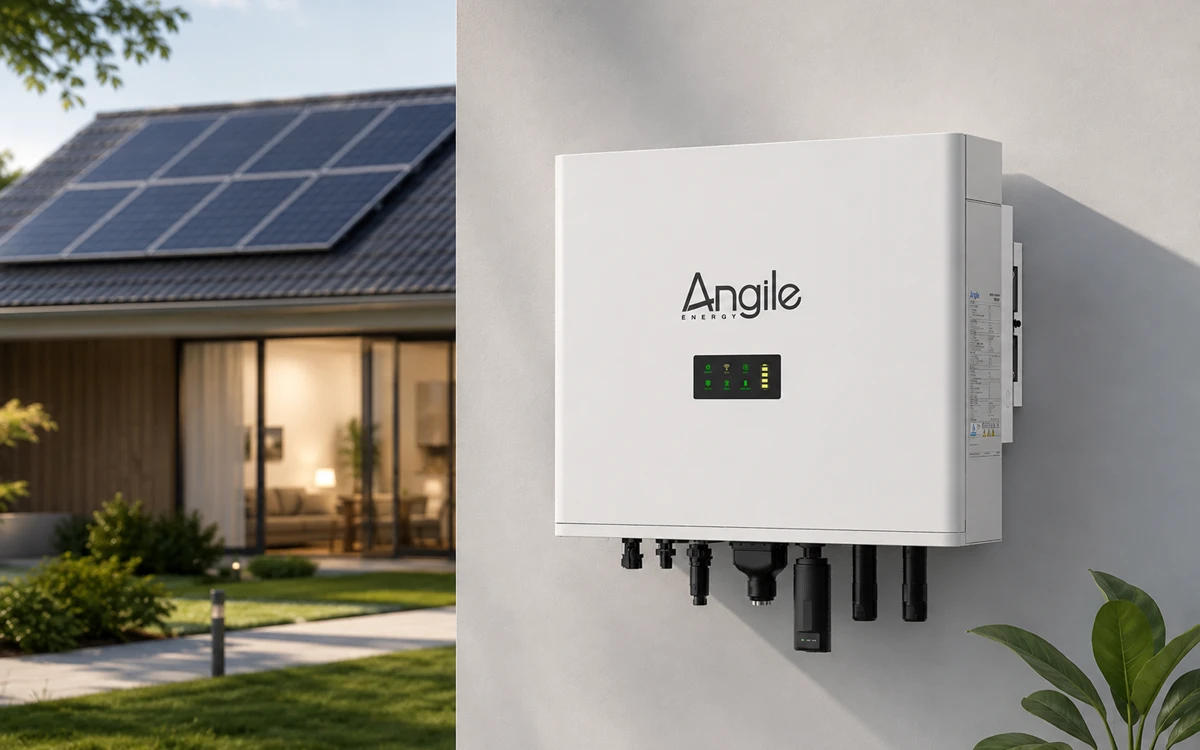
A smart inverter should know where electricity is coming from and where it needs to go.
Instead of simply converting power, an intelligent hybrid inverter can coordinate solar generation, battery charging, household loads, and grid electricity. This helps homeowners use more of their own solar energy and reduce unnecessary grid consumption.
For example, during the day, solar power can supply household appliances first. If there is extra generation, the system can send the surplus to the battery. Later, when solar production falls, the stored energy can be used to power the home.
Integrated HEMS Architecture | Smart Load Distribution | Coordinated EMS & BMS | Reduced Grid Reliance
This type of energy management is an important part of a modern Home Energy Management System (HEMS). Angile Energy combines hybrid inverters with EMS and BMS technologies as part of its integrated energy storage solutions.
A smart inverter needs accurate information to make good decisions.
Load monitoring allows the system to understand how much electricity the home is using at a given time. With better information, the inverter can respond more precisely to changes in household demand.
This becomes particularly useful when several appliances operate at the same time. For example, an electric vehicle charger, heat pump, and kitchen appliances can create a temporary increase in electricity demand.
Down to 10 W Precision | Real-Time Demand Response | Smart Peak Management | High-Load Optimization
Angile Energy's hybrid inverter supports load monitoring accuracy down to 10 W. This allows the system to identify changes in household power use more precisely and support smarter energy management.
A good hybrid inverter should also provide flexibility as the energy system grows.
Homeowners may install a small solar system first and add more panels or battery capacity later. A flexible inverter should be able to handle an appropriate level of PV oversizing and work with expandable battery storage.
150% PV Oversizing | Scalable ePowerCUB Storage | Up to 36 Battery Modules | Multi-PCS Parallel Support
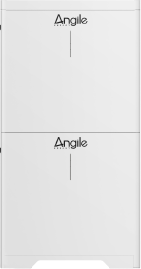
Angile Energy's hybrid inverter supports up to 150% PV panel oversizing. Its ePowerCUB storage system can also be expanded with multiple battery modules, with configurations supporting up to 36 battery modules across six PCS units in parallel.
This kind of scalability can make it easier to match the system with changing household energy needs.
A smart inverter should not only manage energy during normal operation. It should also help keep the system stable when conditions change.
Backup capability is important for homeowners who want energy storage to provide power during grid outages. At the same time, protection features can help prevent unwanted power flow and support safe operation.
150% Off-Grid Overload Capability | Reverse Power Flow Protection | Seamless Switching | Grid Outage Resilience
For example, Angile Energy's hybrid inverter offers reverse power flow protection and up to 150% off-grid overload capability.
These functions can be useful when household loads suddenly increase or when the system switches between grid-connected and backup operation.
Another feature that separates a basic inverter from a smart inverter is connectivity.
Modern energy systems can generate a large amount of operating data. Remote monitoring allows homeowners or installers to check system performance without always needing to be physically next to the equipment.
It can also make maintenance easier. If the inverter supports remote firmware upgrades, software updates can be performed without requiring every update to be completed manually on site.
Real-Time AE Studio Monitoring | Remote Firmware Upgrades | OTA Maintenance | Comprehensive Operational Insights
Angile Energy also provides real-time energy monitoring through its smart energy management system, AE Studio, while its hybrid inverter supports remote firmware upgrades.
A smart hybrid inverter is not defined by one specification alone. Its real value comes from how different functions work together.
High conversion efficiency helps reduce energy losses. Intelligent energy management controls where electricity goes. Accurate load monitoring gives the system better information. Flexible PV and battery support allows the system to grow. Backup and protection features improve resilience. Remote monitoring and firmware updates make the system easier to manage over time.
Together, these features turn the inverter from a simple power conversion device into an active energy management hub.
For homeowners choosing a residential energy storage system, it is therefore worth looking beyond the inverter's rated power. Consider how efficiently it operates, how well it manages energy, what monitoring functions it provides, and whether it can adapt to future energy needs.
A well-designed hybrid inverter can help solar panels, batteries, household loads, and the grid work together more efficiently. That is what makes a modern hybrid inverter truly smart.