
Energy storage is playing a bigger role in our daily lives. There are several types of energy storage systems, and each one stores energy in a different way. Some are designed for large power plants, while others are ideal for homes with rooftop solar systems.
In this guide, we'll explain the main types of energy storage systems, how they work, and why battery storage has become the preferred choice for residential applications.
An energy storage system (ESS) stores electricity or energy so it can be used later. Instead of using electricity only when it is generated, stored energy can be used when demand is higher or when power generation is unavailable.
Energy storage systems help:
Today, energy storage is used in homes, businesses, factories, and utility-scale power stations.
Different storage technologies are suitable for different applications. Below are the most common types.
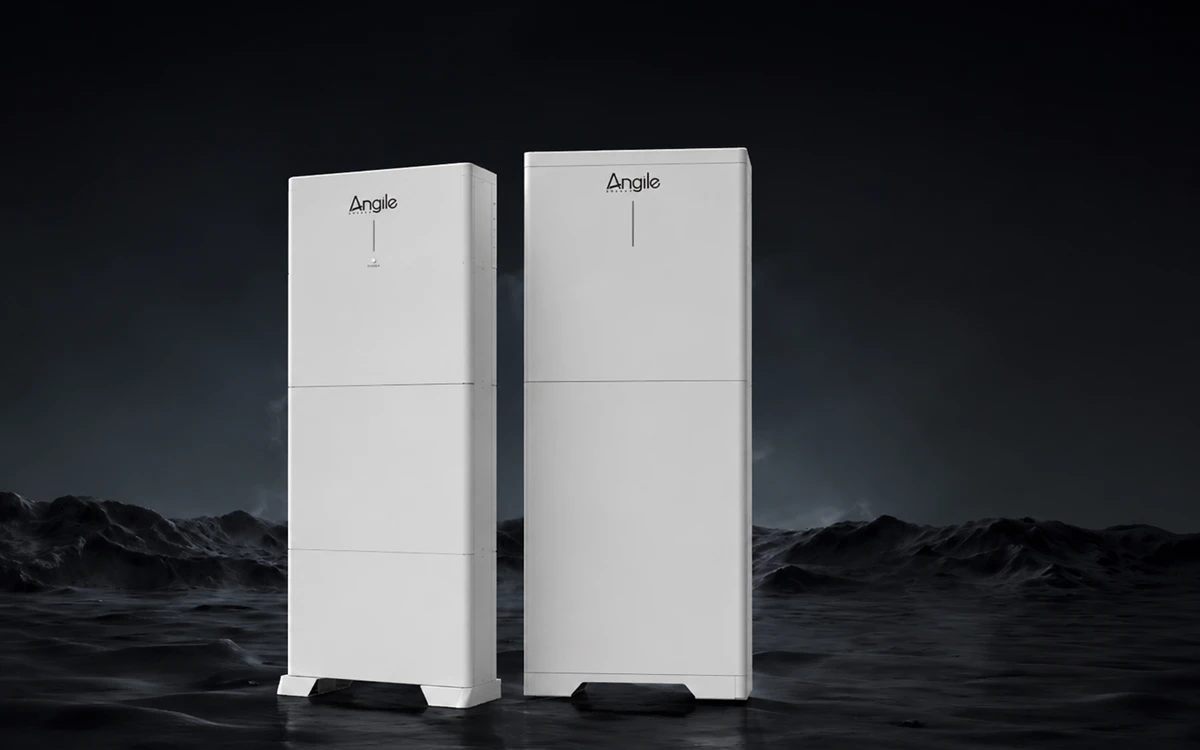
Battery energy storage systems are the most popular option for residential and commercial solar systems.
They store electricity inside rechargeable batteries and release it whenever power is needed. During the day, excess electricity generated by solar panels charges the battery. At night or during a power outage, the stored energy supplies electricity to the home.
Common battery technologies include:
Because of these advantages, battery storage has become the leading technology for home energy storage.
Pumped hydro storage is one of the oldest and largest forms of energy storage.
It works by pumping water from a lower reservoir to a higher reservoir when electricity demand is low. When electricity is needed, the water flows back down through turbines to generate power.
Advantages
Limitations
Pumped hydro is mainly used by utility companies to balance electricity supply and demand.
Thermal energy storage stores energy as heat or cold instead of electricity.
For example, water tanks or special materials can store heat produced during the day. The stored heat can later be used for space heating, hot water, or industrial processes.
Some cooling systems also store cold energy during off-peak hours to reduce electricity use during the day.
Common applications
Mechanical energy storage stores energy through motion or pressure.
Two common technologies are:
Flywheel Energy Storage
Flywheels store energy by spinning a heavy rotor at high speed. When electricity is needed, the spinning energy is converted back into electrical power.
Flywheels respond very quickly but usually provide power for only a short period.
Compressed Air Energy Storage (CAES)
CAES stores energy by compressing air into underground caverns or large storage tanks.
When electricity demand increases, the compressed air is released to drive turbines and generate electricity.
Advantages
Limitations
Hydrogen storage converts excess electricity into hydrogen through a process called electrolysis.
The hydrogen can be stored for weeks or even months. Later, it can be converted back into electricity using fuel cells or combustion systems.
Advantages
Challenges
Hydrogen storage is considered promising for future large-scale energy systems.
Supercapacitors store energy differently from batteries.
Instead of storing large amounts of electricity, they are designed to deliver energy very quickly.
Advantages
Common applications
Because they store relatively small amounts of energy, supercapacitors are usually used together with batteries rather than replacing them.
Although many types of energy storage systems are available, battery storage has become the preferred solution for residential solar systems. Several factors make batteries especially suitable for homeowners.
Easy Installation
Residential battery systems require much less space than hydro, compressed air, or thermal storage systems.
High Efficiency
Modern lithium-ion batteries typically achieve high round-trip efficiency, allowing most stored electricity to be used.
Reliable Backup Power
During grid outages, batteries can continue supplying electricity to essential household appliances.
Lower Electricity Bills
Homeowners can store solar energy during the day and use it during peak electricity pricing periods.
Flexible Expansion
Many battery systems use modular designs, allowing homeowners to increase storage capacity as their energy needs grow.
When comparing residential battery systems, homeowners should look beyond battery capacity alone.
Important factors include:
Measured in kilowatt-hours (kWh), capacity determines how much electricity can be stored.
Power output determines how many appliances the battery can operate at the same time.
Both high-voltage and low-voltage battery systems are widely used.
High-voltage batteries often support larger homes and higher power demands, while low-voltage batteries can provide flexible solutions for smaller residential systems.
A smart BMS monitors battery temperature, voltage, and performance to improve safety and extend battery life.
Choosing a battery that works well with a hybrid inverter helps maximize solar self-consumption and simplifies system management.
Real-time monitoring allows homeowners to track electricity production, battery status, and household energy usage from a mobile app or web platform.
For homeowners looking for reliable battery storage, choosing an integrated solution can simplify installation and daily operation.
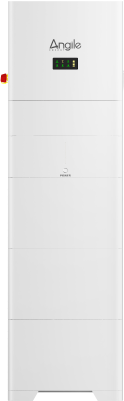
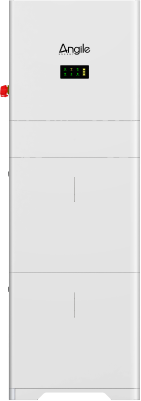
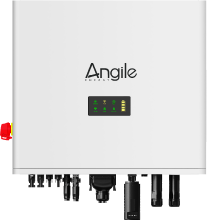
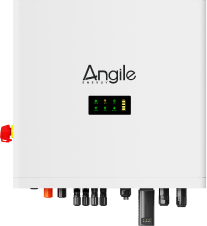
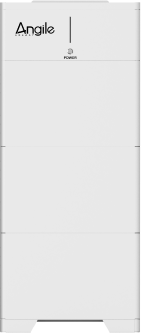
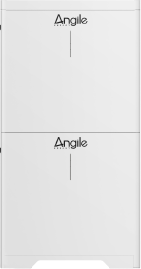
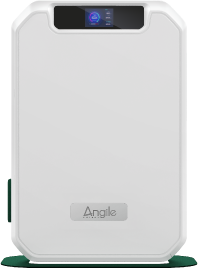
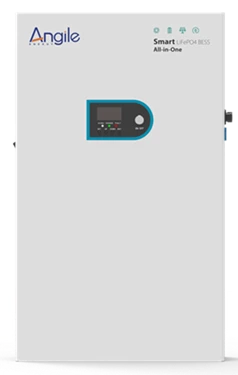
Angile Energy provides residential energy storage systems designed to work with rooftop solar installations. Its product portfolio includes all-in-one single-phase and three-phase energy storage systems, hybrid inverters, and stackable high-voltage and low-voltage battery packs. These products are designed to support different household energy needs while allowing future system expansion.
The company's systems combine self-developed 3S technology—Power Conversion System (PCS), Battery Management System (BMS), and Energy Management System (EMS)—to help improve charging, discharging, and overall energy management. Homeowners can also monitor their systems in real time through the AE Studio smart energy management platform.
To support customers in Europe, Angile Energy offers products that meet multiple European certifications and provides local warehouses, technical support, and a 10-year warranty for its residential energy storage solutions.
There are many types of energy storage systems, including batteries, pumped hydro, thermal storage, mechanical storage, hydrogen storage, and supercapacitors. Each technology has its own strengths and is designed for different applications.
For residential solar systems, battery energy storage remains the most practical and widely adopted solution. It offers high efficiency, reliable backup power, and the flexibility to store excess solar energy for later use.
As home energy management continues to improve, integrated battery storage systems will play an increasingly important role in helping homeowners reduce electricity costs, increase energy independence, and make better use of renewable energy. Choosing a well-designed system with smart energy management and dependable local support can provide long-term value for both new and existing solar installations.