

A home energy storage battery does more than store electricity. It goes through thousands of charging and discharging processes while supporting daily household energy needs. However, its performance gradually changes over time.
Understanding the life cycle of a battery helps homeowners in Europe make better decisions when investing in solar energy storage. It also helps them understand which specifications matter and how to get more value from their systems.
Table of Contents
1. What Is the Life Cycle of a Battery?
The battery life cycle refers to the complete period from manufacturing and installation to daily operation and eventual recycling.
For homeowners, two terms are particularly important:
- Cycle life: The number of charging and discharging cycles a battery can complete before its capacity drops to a specified level.
- Calendar life: How long a battery can last over time, regardless of how frequently it is used.
One complete cycle means using an amount of energy equal to the battery's full usable capacity. It does not necessarily mean charging from 0% to 100% in one session.
For example, using 50% of a battery's capacity twice is approximately equivalent to one full cycle.
2. How Does a Battery Life Cycle Work?
A residential battery follows a repeated process:
- Charging: Solar panels generate electricity during the day. Surplus energy is stored in the battery.
- Energy storage: The battery holds the electricity until the household needs it.
- Discharging: Stored energy powers household appliances during the evening or when solar production is low.
- Recharging: The battery receives electricity again, starting another cycle.
This process allows homeowners to use more of their own solar electricity instead of sending surplus energy to the grid and buying electricity later.
Over time, the battery gradually loses some of its original storage capacity. This is a normal part of battery ageing.
3. What Factors Affect Battery Life Cycle?
Not all batteries age at the same rate. Several factors influence their performance.
Depth of Discharge (DoD)
DoD measures how much of the battery's capacity has been used. Repeated deep discharging can increase battery degradation. Choosing an appropriate battery capacity helps avoid unnecessary strain.
Operating Temperature
High temperatures can accelerate battery ageing. Very low temperatures can also affect charging performance. Proper installation and temperature management are important, especially in regions with cold winters or hot summers.
Charging and Discharging Speed
Frequent high-power charging and discharging can increase battery stress and heat. A suitable energy management system helps control these processes.
Battery Management System (BMS)
The BMS monitors voltage, current and temperature. It also helps balance individual cells and provides protection against unsafe operating conditions.
4. How to Choose a Battery for a Longer Life Cycle
When comparing residential energy storage products, homeowners should look beyond the advertised cycle number.
Consider these points:
- Battery chemistry and expected cycle life.
- Usable capacity and recommended DoD.
- Operating temperature range.
- BMS protection and monitoring functions.
- Product warranty and guaranteed remaining capacity.
- Whether the system can be expanded when household energy demand increases.
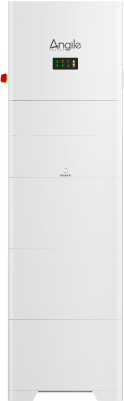
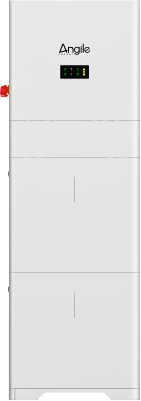
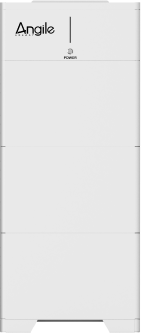
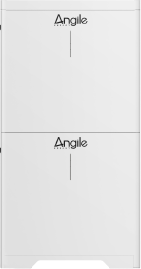
Voltage configuration is another important consideration. Angile Energy offers both high-voltage residential battery packs and low-voltage residential battery packs.
These options allow homeowners to consider different energy storage configurations according to their system requirements. The right choice depends on inverter compatibility, power requirements and installation design.
5. What Happens When a Battery Reaches the End of Its Life Cycle?
A battery does not necessarily stop working when it reaches its specified cycle-life limit. Instead, its available capacity gradually decreases.
When it can no longer meet the original household energy requirements, replacement or alternative use may be considered, depending on its remaining condition and safety.
Recycling is also an important part of battery life cycle management. The EU Batteries Regulation (EU) 2023/1542 sets requirements covering sustainability, collection, reuse and recycling.
For European homeowners, choosing products with clear technical information and a responsible end-of-life pathway is becoming increasingly important.
6. Make Your Home Energy Storage Investment Last
A battery's life cycle depends on more than its chemistry or advertised cycle count. Daily usage, temperature, charging management and system design all influence its long-term performance.
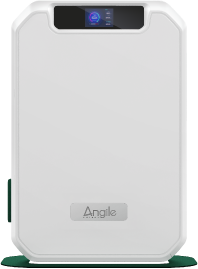
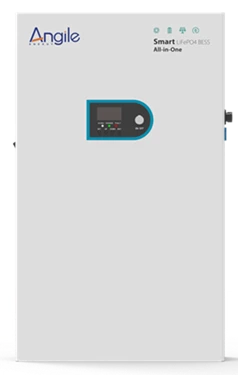
Angile Energy provides modular high-voltage and low-voltage residential battery packs, supported by intelligent BMS technology and scalable energy storage solutions.
Whether installing a new solar battery system or upgrading an existing one, understanding the battery life cycle can help you choose a suitable solution and make better use of stored solar energy over the years.