
As solar energy becomes more common worldwide, different types of solar installations are helping homes, businesses, and utilities produce clean electricity. While all solar systems convert sunlight into usable power, not every installation is designed for the same purpose.
The two most common types are utility-scale solar and rooftop solar. One supplies electricity to thousands of people through the power grid, while the other allows individual buildings to generate their own electricity.
If you're planning a solar project or simply want to understand the differences, this guide explains how these solar installations work, where they are used, and which solution is the best fit for different energy needs.
For homeowners in the Netherlands, Angile Energy works with local installation partner Otera B.V. to deliver professional residential solar and energy storage solutions.
Solar installations are systems that use photovoltaic (PV) panels to convert sunlight into electricity. A complete solar installation typically includes:
Depending on the project size and purpose, solar installations can range from a small residential rooftop system to a massive solar farm covering hundreds of acres.
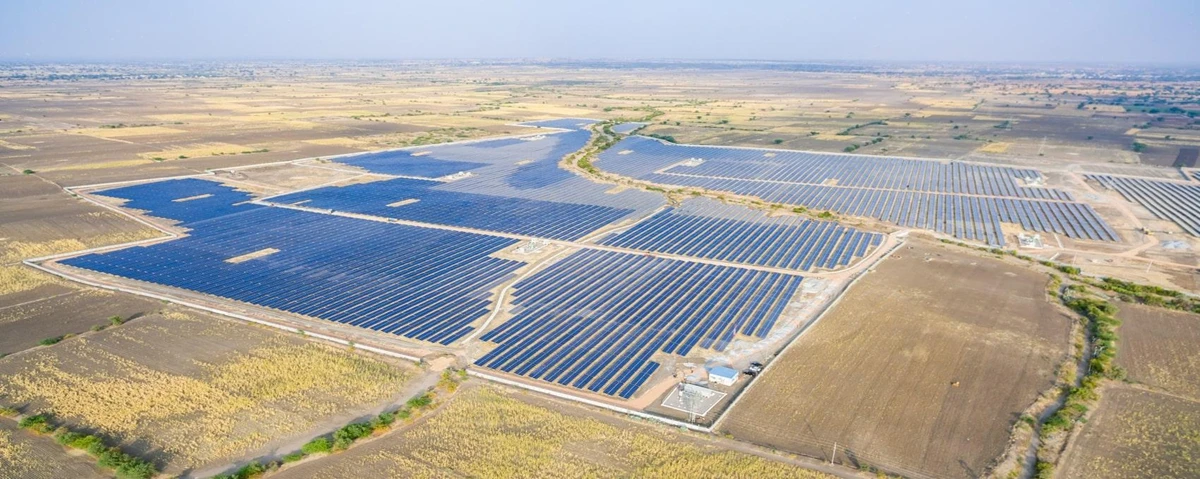
Utility-scale solar refers to large solar power plants that generate electricity for the public power grid. These projects are usually developed by utilities, independent power producers, or governments.
Most utility-scale projects generate electricity in the megawatt (MW) or even gigawatt (GW) range, supplying power to thousands of homes and businesses.
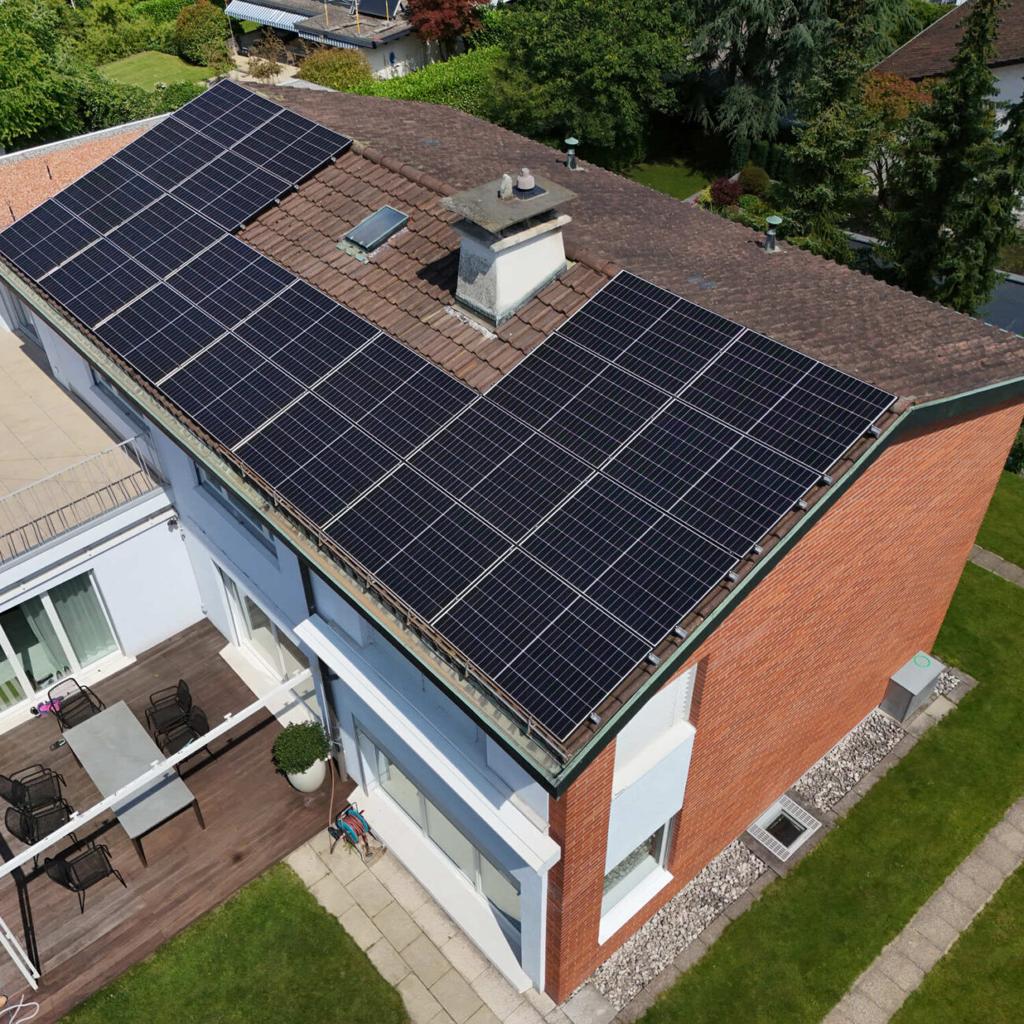
Rooftop solar installations place solar panels directly on residential, commercial, or industrial buildings.
Instead of generating electricity for everyone, rooftop systems mainly produce electricity for the building where they are installed. Any unused electricity may be exported to the grid, depending on local regulations.
Today, many homeowners also pair rooftop solar with battery storage to use more of their own solar energy and reduce dependence on the grid.
For homeowners, rooftop solar is often the most practical way to lower long-term electricity costs while increasing energy resilience.
| Feature | Utility-Scale Solar | Rooftop Solar |
|---|---|---|
| Typical Size | MW to GW | 3–20 kW for homes |
| Main Users | Utilities, governments | Homeowners and businesses |
| Installation Location | Open land | Building roofs |
| Electricity Use | Fed into the power grid | Used on-site first |
| Land Requirement | High | Minimal |
| Cost per Watt | Lower | Higher |
| Battery Storage | Optional | Common for residential systems |
| Energy Independence | No | Yes |
Neither option is universally better. They simply serve different purposes.
Utility-scale solar supports national electricity generation, while rooftop solar gives property owners greater control over their own energy.
The right choice depends on your goals.
For most homeowners, rooftop solar combined with battery storage delivers the greatest everyday benefits because it allows more self-generated electricity to be used throughout the day and night.
Traditional rooftop solar systems only generate electricity when the sun shines. By adding battery storage, homeowners can save excess solar energy for use in the evening or during grid outages. This is where a hybrid inverter becomes essential.
Unlike a standard string inverter, a hybrid inverter manages power from:
It automatically decides where electricity should flow, helping maximize solar self-consumption while maintaining reliable power.
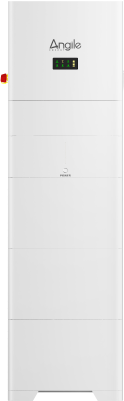
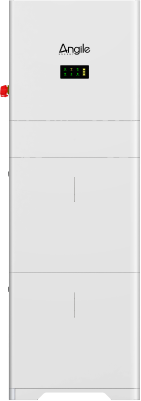
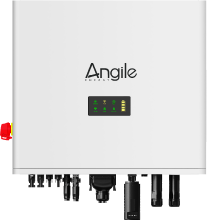
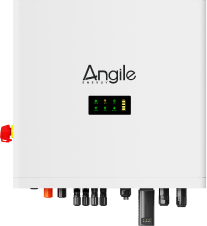
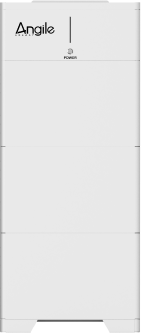
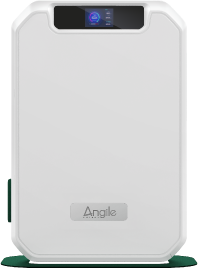
Angile Energy's residential hybrid inverters are available in both single-phase (4–6 kW) and three-phase (8–12 kW) models. They support up to 150% PV oversizing, offer 150% off-grid overload capability, include remote firmware upgrades, reverse power flow protection, and are backed by a 5-year warranty. The inverters are designed to work seamlessly with Angile Energy's own residential battery systems for optimized performance.
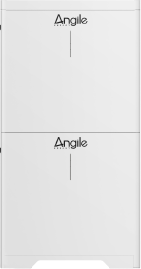
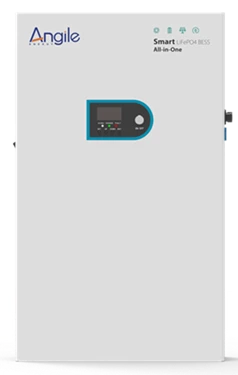
Combined with stackable high-voltage or low-voltage batteries and intelligent energy management, homeowners can store excess solar energy and use it whenever electricity prices are highest or during power interruptions. Angile Energy develops its own integrated 3S technology (PCS, BMS, and EMS), along with smart monitoring through AE Studio, to improve overall system efficiency.
Both utility-scale and rooftop solar installations play important roles in the global transition to clean energy.
Utility-scale solar delivers renewable electricity on a massive scale, helping countries reduce dependence on fossil fuels. Rooftop solar gives homeowners and businesses more control over their electricity, lowers energy bills, and increases resilience—especially when paired with battery storage.
For residential users, a rooftop solar system equipped with a reliable hybrid inverter and compatible battery storage provides an efficient path toward long-term energy savings and greater energy independence. Choosing quality equipment from an experienced manufacturer can also simplify installation, improve system performance, and support years of dependable operation.