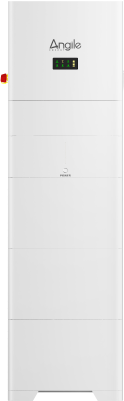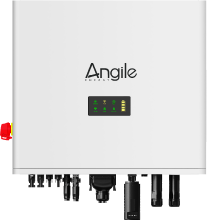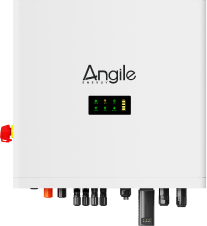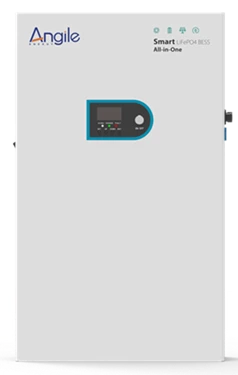

BMS stands for Battery Management System. It is an electronic system that monitors, protects, and optimises the performance of rechargeable batteries. A BMS plays a critical role in ensuring batteries operate safely, efficiently, and reliably throughout their lifespan.
As battery technologies become increasingly important in renewable energy systems, electric vehicles, commercial energy storage, and industrial applications, Battery Management Systems have become essential components of modern energy infrastructure.
Without a BMS, batteries are vulnerable to overcharging, overheating, excessive discharge, cell imbalance, and premature failure.
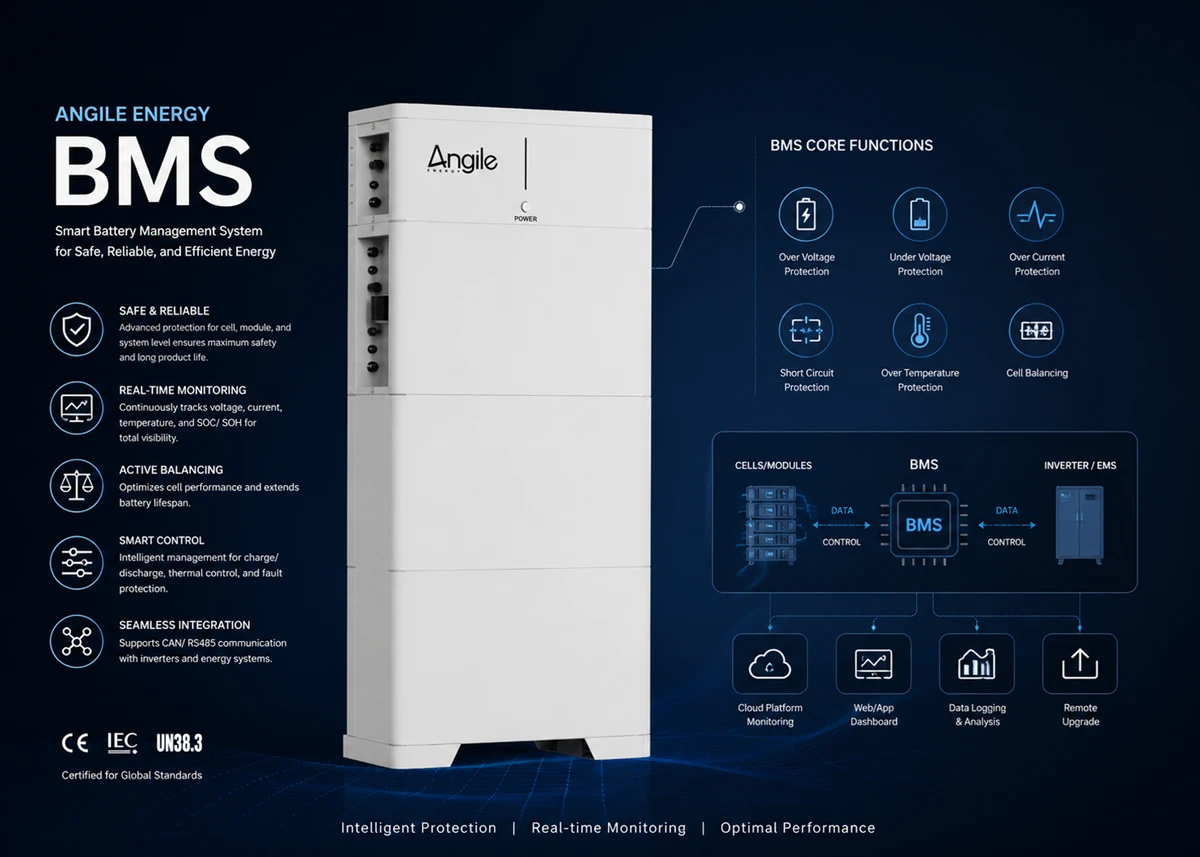
BMS is the "neural center" of new energy storage systems, responsible for multi-dimensional battery data collection, diagnosis, safety management, and active maintenance.
In an energy storage power station, where thousands of battery cells are often connected in series and parallel, a loss of control in temperature, voltage, or current can lead to catastrophic consequences.
The BMS acts as that 24/7 "battery nanny"—monitoring the status of every single cell and calculating how to charge and discharge in the safest, most durable, and most economical way.
The primary objectives of a BMS include:
For organisations investing in energy storage solutions, a reliable BMS can significantly improve return on investment while reducing operational risks.
The working principle of a BMS can be summarized as a closed-loop process of data collection → state estimation → control decision-making → execution protection. Here is the detailed breakdown:
The BMS monitors the voltage of individual battery cells to ensure they remain within safe operating limits. Overvoltage and undervoltage conditions can damage batteries and reduce their lifespan.
Temperature sensors track battery conditions and help prevent overheating. If temperatures exceed safe thresholds, the BMS can reduce charging rates or disconnect the battery entirely.
State of Charge indicates the amount of energy remaining in a battery, similar to a fuel gauge in a vehicle.
Accurate SoC calculations help users:
State of Health measures battery degradation over time and provides insight into remaining useful life.
This allows businesses to:
Individual battery cells can charge and discharge at slightly different rates. Cell balancing ensures all cells maintain similar voltage levels, improving efficiency and extending battery life.
When abnormal faults such as battery overheating, overcharging, over-discharging, or short circuits are detected, the BMS immediately triggers its protection mechanism, automatically cutting off the charging and discharging circuits. This eliminates safety hazards at the root, ensuring the safety of both the equipment and its operation.
A typical BMS consists of several integrated components:
① Battery Monitoring Unit (BMU): Collects data from individual cells and modules.
② Control Unit: Processes battery information and makes operational decisions.
③ Communication Interface: Enables communication with external systems, including:
④ Sensors: Monitor:
⑤ Protection Circuits: Automatically disconnect the battery when unsafe operating conditions are detected.
Battery Management Systems are used across numerous industries and technologies.
① Renewable Energy Storage
Solar and wind energy systems rely on batteries to store excess energy for later use. A BMS helps maximise storage efficiency while protecting battery assets.
② Commercial and Industrial Energy Storage
Businesses increasingly deploy battery storage systems to:
③ Electric Vehicles
Every electric vehicle depends on a sophisticated BMS to ensure safe operation and maximise driving range.
④ Backup Power Systems
Battery-backed UPS and emergency power systems require reliable battery monitoring to guarantee availability during outages.
⑤ Microgrids and Smart Energy Networks
Advanced Battery Management Systems support distributed energy resources and intelligent grid operations.
① Improved Safety: Safety is the primary reason for deploying a BMS. Continuous monitoring helps prevent hazardous conditions before they become critical.
② Longer Battery Life: Proper charging, balancing, and temperature control can significantly extend battery lifespan.
③ Reduced Maintenance Costs: Real-time diagnostics enable predictive maintenance, helping organisations avoid costly failures.
④ Higher Energy Efficiency: A BMS ensures batteries operate at optimal performance levels, reducing energy losses.
⑤ Better Performance Monitoring: Detailed reporting and analytics provide valuable insights into battery behaviour and system performance.
⑥ Increased Return on Investment: By improving efficiency and extending battery life, a BMS helps maximise the value of battery investments.
Operating batteries without a dedicated BMS can result in:
As battery systems grow in scale and complexity, effective management becomes increasingly important.
Although often confused, a Battery Management System (BMS) and an Energy Management System (EMS) serve different functions.
| Battery Management System (BMS) | Energy Management System (EMS) |
| Focuses on battery performance | Focuses on overall energy usage |
| Monitors battery health | Monitors energy consumption |
| Protects battery assets | Optimises energy costs |
| Controls charging and discharging | Controls energy distribution |
Many modern energy solutions integrate both technologies to provide comprehensive energy intelligence.
When selecting a BMS, organisations should consider:
Battery Management Systems are becoming increasingly sophisticated as energy storage adoption accelerates worldwide. Emerging trends include:
These innovations will enable businesses to maximise battery performance while supporting a more sustainable energy future.
BMS stands for Battery Management System, an electronic system that monitors and protects rechargeable batteries.
A BMS improves battery safety, performance, efficiency, and lifespan while reducing operational risks.
Technically yes, but doing so significantly increases the risk of damage, safety incidents, and reduced battery life.
Battery Management Systems are widely used in renewable energy, energy storage, electric vehicles, industrial applications, telecommunications, and backup power systems.
A BMS manages battery performance, while an Energy Management System oversees broader energy consumption and optimisation.
Battery Management Systems are fundamental to modern energy storage and battery-powered technologies. By continuously monitoring battery health, balancing cells, and protecting against unsafe operating conditions, a BMS helps organisations maximise performance, improve safety, and extend battery lifespan.
As renewable energy adoption and energy storage deployment continue to grow, investing in a reliable Battery Management System is essential for achieving long-term operational efficiency and sustainability goals.
If your organisation relies on battery storage, understanding and implementing the right BMS can deliver substantial performance, safety, and financial benefits.