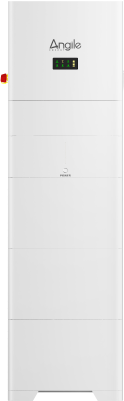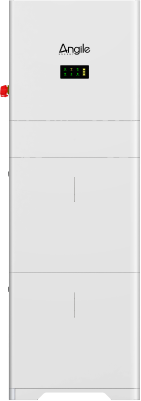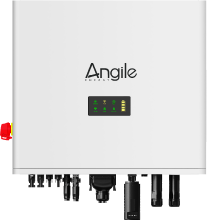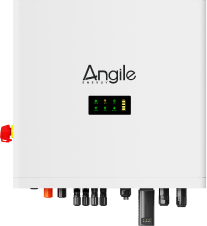

A significant sign of the modern green energy transition is that homeowners and businesses are looking for smart energy setup. Generating solar power during the day is only the basic part of the energy solution. They are now focusing on how that power is managed, stored, and used.
At Angile Energy, we focus on making renewable installations highly reliable and incredibly intelligent. By combining advanced photovoltaic generation with smart energy storage, we help installers deliver a connected energy ecosystem that actively solves rising grid costs.
Below, we break down what a Home Energy Management System (HEMS) actually is, how the technical layers operate, and how Angile’s integrated technologies can help grow your installation business.

In traditional solar systems, panels produce electricity, a pv inverter send to appliances, and anything left over energy is back to the grid for minimal credit. The user has little visibility or control over their consumption efficiency.
Smart Energy Management transforms this dynamic by turning a simple "solar panel system" into a reactive intelligence EMS platform. By integrating generation, battery storage, and home loads under an active EMS, the platform delivers:
A smart energy ecosystem functions as a continuous, closed-loop cycle moving across three core layers.
   [1. THE HARDWARE LAYER] ──> [2. THE CLOUD & ANALYSIS]
      (Inverters & Storage)              (EMS Brains)
               ▲                             │
               │                             ▼
               └─────────────── [3. AUTOMATED OPTIMIZATION]
                                  (Load Shifting / UPS)
Angile Energy’s EMS with AI can learn from daily electricity consumption patterns and step tariffs to maximize energy capture during peak midday sunlight, funneling every available ray into the ecosystem. It also autonomously optimizes energy storage.
View all your real-time data through a user-friendly mobile app. You can check your energy consumption and revenue anytime, anywhere.
The smart energy management system supports intelligent alarms to notify users and the O&M team, reducing delays in information transmission and helping quickly locate problems.
For an end-user, an EMS proves its financial worth through two automated core strategies:
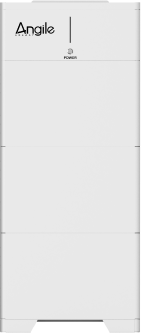
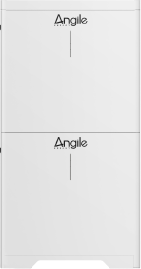
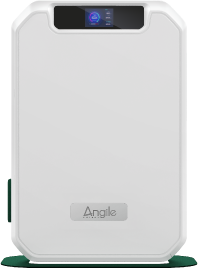
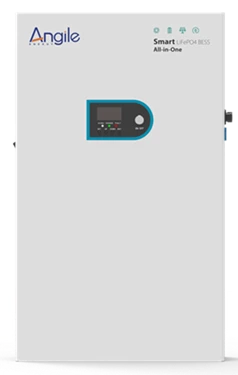
For installers, distributors, and dealers looking to scale across key markets like the Netherlands, Italy, Germany, the UK, and beyond, offering smart energy storage systems provides distinct operational benefits over standalone components.
Smart energy management is no longer a luxury feature—it is the foundational standard for modern solar storage design. By intertwining high-capacity, long-life storage cells with a responsive EMS brain, systems can safely lower utility costs, stabilize power distribution, and provide absolute energy autonomy.
For professional integration partners, Angile Energy provides the hardware reliability, localized European support networks, and software intelligence required to confidently deploy clean energy infrastructure at scale.