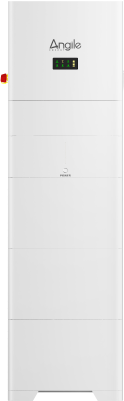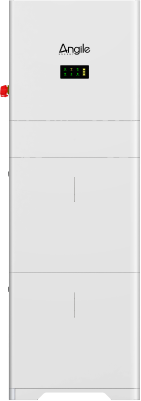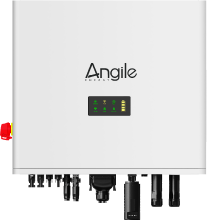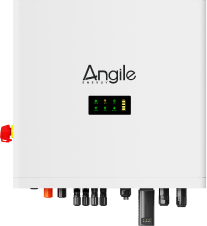

Energy storage systems are moving from behind the scenes to the forefront. Among them, the hybrid inverter, as the core "hub," is entering the public eye at an unprecedented speed.
So, what exactly is a hybrid inverter? How does it differ from a traditional inverter? This article will give you a comprehensive understanding of hybrid inverters.
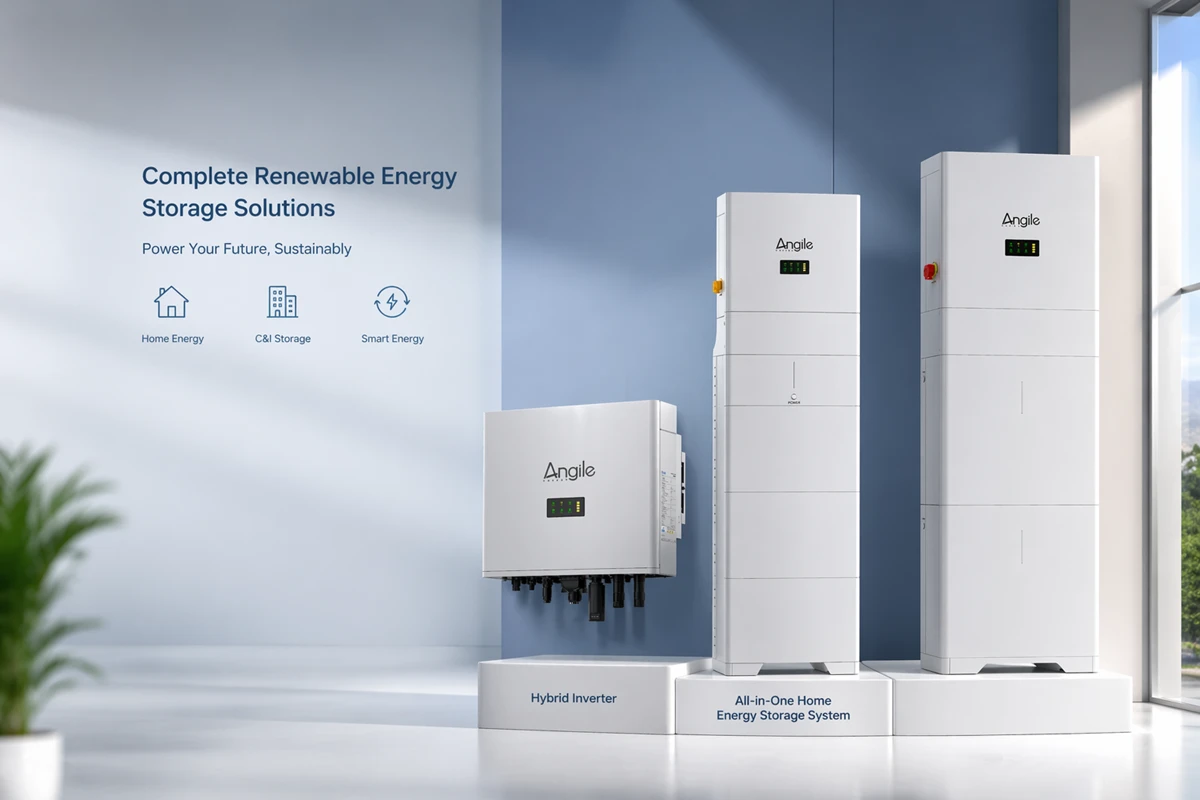
A hybrid inverter is a device that combines photovoltaic grid-connected inverter functionality with energy storage battery management functionality. It serves as an intelligent hub connecting the multi-directional energy flow of "photovoltaic power generation - energy storage - electrical load - power grid".
Traditional photovoltaic (PV) inverters only convert direct current (DC) to alternating current (AC), while hybrid inverters integrate battery charging and discharging controller functions (i.e., "energy storage inverter" + "MPPT PV inverter" + EMS primary control unit).
| Functional Module | Traditional PV Inverter | Energy Storage Inverter (Battery Inverter) | Hybrid Inverter |
| MPPT Tracking Function | ✅ | ❌ | ✅ |
| Battery Management/Control | ❌ | ✅ | ✅ |
| Bi-directional Energy Flow | ❌ | ✅ | ✅ |
| On-Grid Power Generation | ✅ | ❌ | ✅ |
| Off-Grid Backup (UPS) | ❌ | ✅ | ✅ |
| EMS Intelligent Dispatching | ❌ | Partial Support | ✅ |
The global transition toward decentralized energy is no longer just a "rooftop" phenomenon. While residential demand remains a cornerstone, the market is witnessing a rapid expansion into Commercial & Industrial (C&I) sectors as businesses seek energy independence and cost stability.
The demand for "Photovoltaic + Storage" systems is reaching record highs across Europe, driven by volatile electricity prices and favorable regulatory shifts:
We are seeing a clear migration of hybrid technology from small 5–10kW residential units to 50kW–300kW+ systems designed for industrial use.
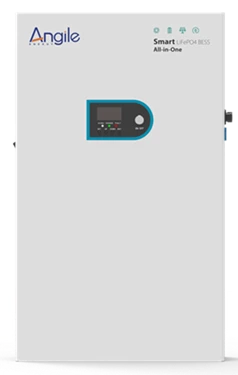
The 2026 market trend is moving toward Integrated Solutions. Instead of sourcing inverters and batteries from separate vendors, both residential and commercial users are demanding "all-in-one" systems (PV + ESS + EMS) that offer:
Hybrid inverters are becoming the "super connectors" of the new energy era. They are not just equipment, but also a manifestation of a system optimization mindset.
Smart, Scalable, and Reliable Energy Storage Systems
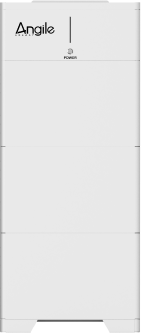
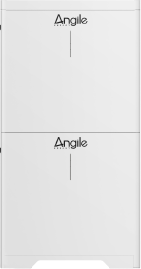
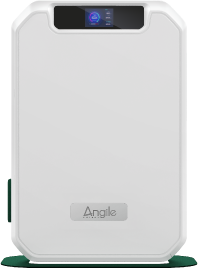
Angile’s residential energy storage solutions are built around 5kW–12kW hybrid inverters (PCS), compatible with both low-voltage (such as 51.2V) and high-voltage battery packs.
Users can start with a compact 5kWh setup and easily expand the system to 20–30kWh or more through modular battery additions.
The system supports off-grid operation, intelligent monitoring, and remote firmware upgrades, helping homeowners achieve greater energy independence and smarter energy management.
For commercial and industrial applications, Angile offers standardized outdoor liquid-cooled all-in-one cabinets in two main configurations: 105kW / 233kWh and 250kW / 500kWh.
These systems utilize high-performance Lithium Iron Phosphate (LFP) battery cells operating on a high-voltage platform of approximately 700–900V, while connecting to a 380V low-voltage distribution grid.
The “single cabinet as a power station” design ensures fast deployment and allows multiple cabinets to operate in parallel for larger-scale energy storage requirements.
For MW/MWh-scale projects, Angile adopts customized containerized integration solutions by combining multiple 250kW / 500kWh standard units into large-scale systems.
This highly integrated architecture enables rapid deployment and reliable operation for grid-level applications such as:
• Grid peak shaving and frequency regulation
• Renewable energy integration
• Utility-scale energy management
The solution provides scalability, operational efficiency, and strong support for modern smart grids.