

If your electricity bill seems higher than expected, the problem may not be one appliance. Your total bill depends on how much electricity your home uses, when you use it, your electricity tariff, and the price charged by your supplier.
For homeowners, solar panels and home battery storage can also change how much electricity you need to buy from the grid. Here is a simple guide to understanding your bill and reducing grid electricity costs.
Why Is My Electric Bill So High?
Several factors can push up a household electricity bill.
The first is electricity consumption. Heating, heat pumps, air conditioning, water heating, cooking, EV charging and other high-power appliances can significantly increase demand. Even smaller devices can add up when they operate for many hours.
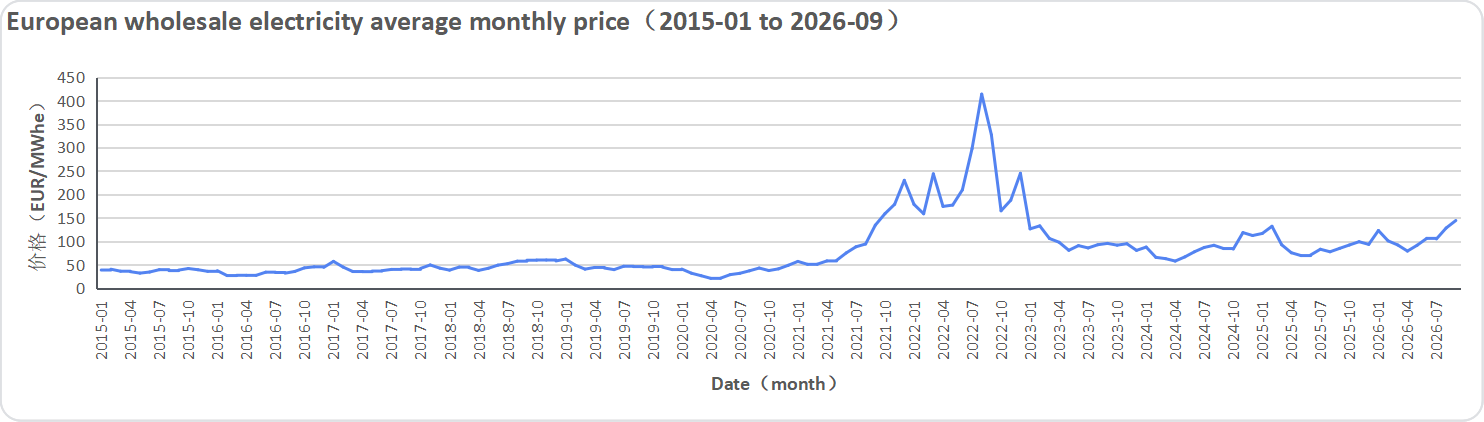
The second factor is the electricity price. European electricity prices vary considerably between countries. Eurostat reported an EU household average of €28.96 per 100 kWh in the second half of 2025, including taxes and levies. Prices ranged from €10.82 per 100 kWh in Hungary to €40.42 in Ireland.
Your tariff also matters. If your supplier uses time-of-use pricing, electricity may cost more during certain hours and less during others.
How to Lower Your Electric Bill
Start by looking at your electricity consumption rather than simply trying to use less of everything.
- Using high-energy appliances during cheaper tariff periods where available
- Improving home insulation and reducing unnecessary heating or cooling
- Choosing efficient appliances
- Managing EV charging times
- Monitoring daily electricity consumption
- Using solar power directly when it is available
- Storing surplus solar electricity in a home battery for later use
A smart energy management system can make this easier by helping homeowners monitor energy production, consumption and battery operation.
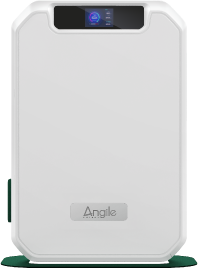
Angile Energy combines hybrid inverters, battery storage and intelligent energy management to help homeowners manage their energy use. Its systems also support real-time energy monitoring and smart energy management.
How Much Are Average Electricity Bills?
There is no single “average electricity bill” for Europe because household consumption and electricity prices differ significantly between countries.
Average EU household electricity price per kWh in the second half of 2025, based on the stated EU household average.
As a simple reference, the EU household electricity price was €0.2896 per kWh in the second half of 2025. A home using 300 kWh per month at that average price would have an electricity energy cost of about €87 before considering differences in supplier charges, fixed fees and other billing details.
Your actual bill can therefore be much higher or lower depending on your location, home size, heating system, EV use, household size and tariff.
How Do Solar Panels Work With Your Electric Bill?
Solar panels generate electricity during the day. Your home can use this electricity directly, reducing the amount of power purchased from the grid.
If your solar system produces more electricity than your home needs at that moment, the surplus can potentially be exported to the grid, depending on local rules and your electricity contract.
A battery adds another option. Instead of sending all surplus solar electricity to the grid, the system can store some of it and use it later when solar production is lower.
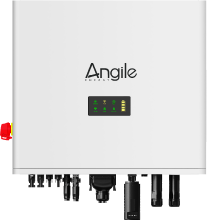
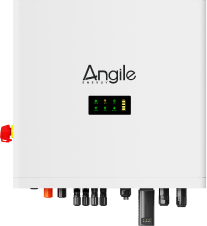
A hybrid inverter manages the energy flow between the solar panels, battery, home and grid. Angile's hybrid inverter converts DC electricity from solar panels or batteries into AC electricity for the home and can also use AC grid power to charge the battery.
This can help increase the amount of solar energy used inside the home rather than buying the same electricity back from the grid later.
Angile offers residential energy storage systems for different household electrical configurations. The following two systems can be explored based on whether a home requires a three-phase or single-phase solution.
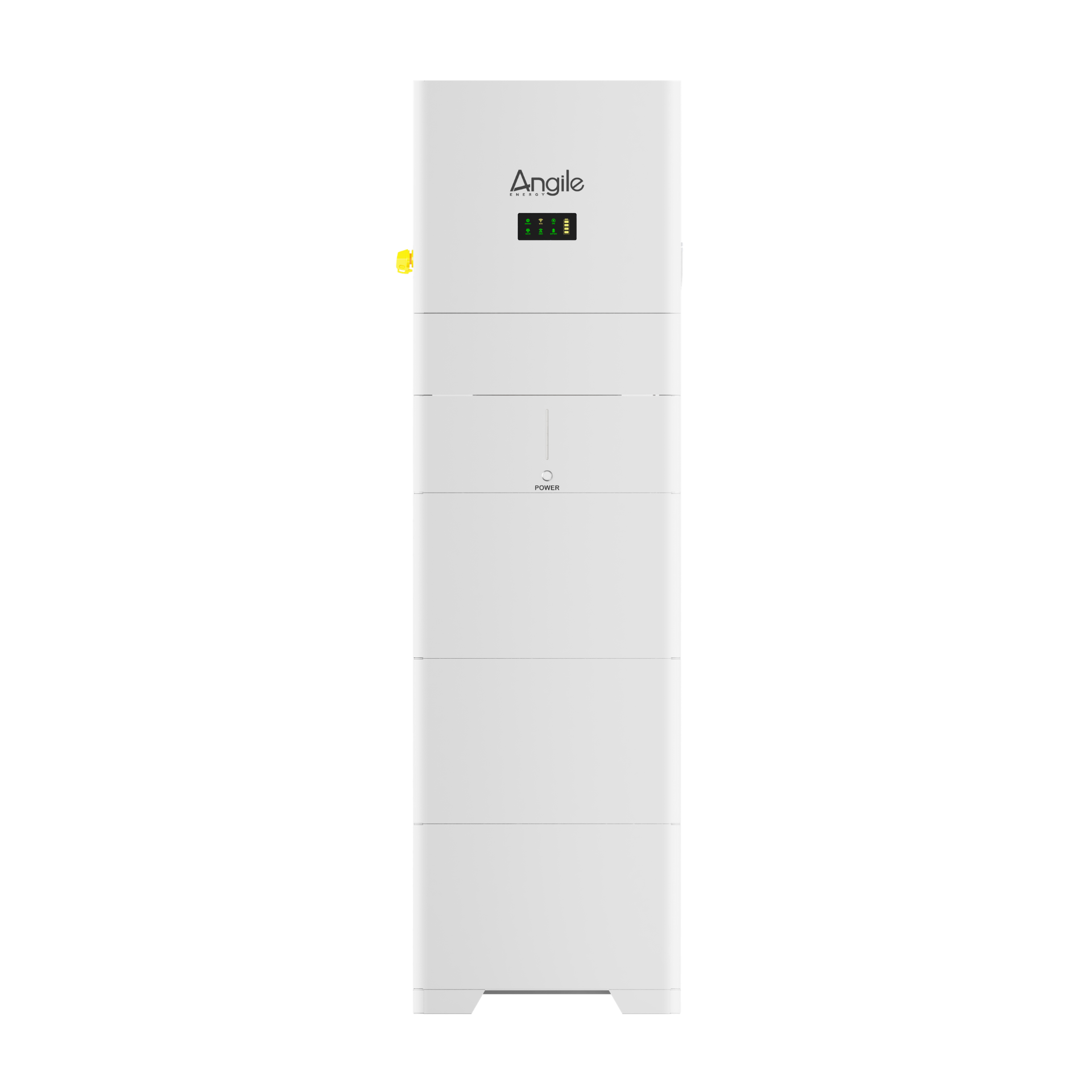
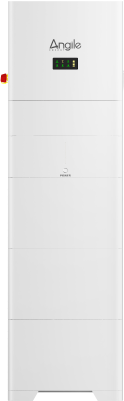
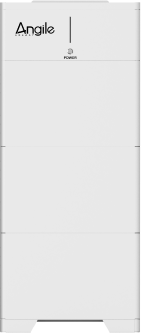
ePowerCUBE AIOT Series
A three-phase residential energy storage system designed to combine solar generation, battery storage and energy management in one integrated solution.
- AC output: 8–10 kW
- Maximum PV input: 15 kW
- Battery capacity: 5.12 kWh per module
- Battery type: LFP
- Protection: IP65
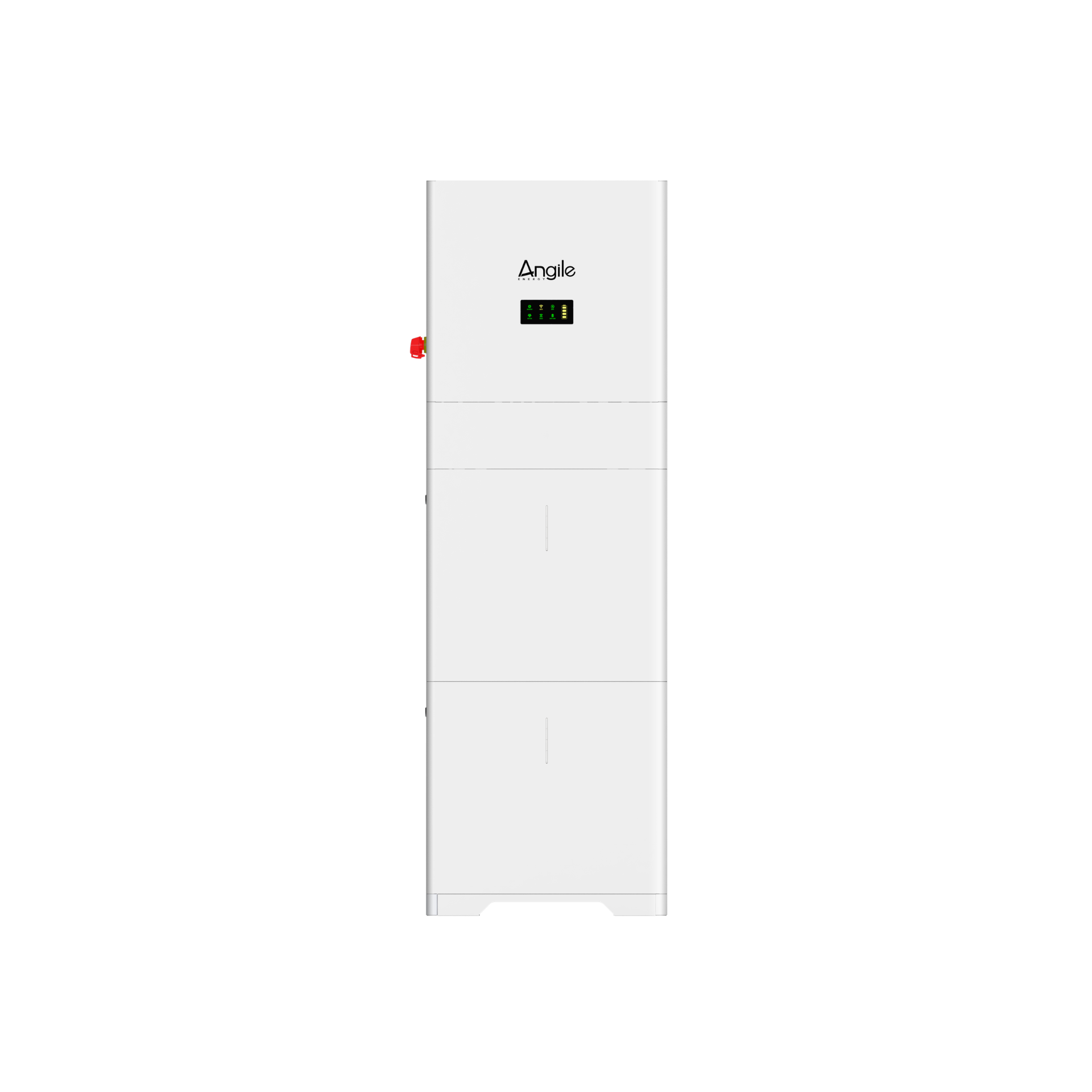
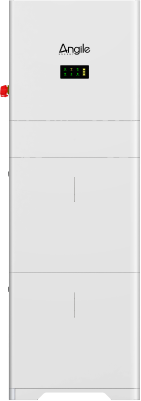
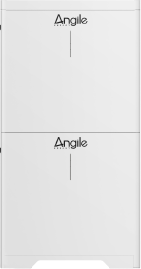
ePowerCUBE AIOS Series
A single-phase residential energy storage system for homes looking to combine solar power, battery storage and intelligent energy management.
- AC output: 4.6–6 kW
- Maximum PV input: 7 kW
- Battery capacity: 5.12 kWh per module
- Battery type: LFP
- Protection: IP65
Can Solar and Battery Storage Reduce Your Electricity Costs?
Solar panels can reduce the amount of electricity you buy from the grid. A battery can increase the usefulness of that solar power by storing excess generation for later.
The right system depends on your household's electricity consumption, solar generation, tariff structure and backup requirements.
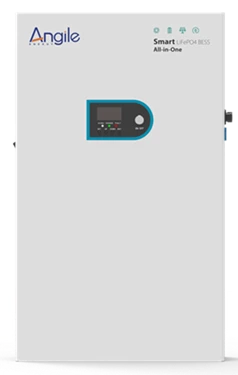
For homeowners considering a complete residential energy storage solution, Angile Energy offers all-in-one systems combining a hybrid inverter, battery modules and battery management technology, with both high-voltage and low-voltage battery options.
The first step is simple: check when your home uses the most electricity, how much you pay for it, and how much solar energy you could use directly or store. This gives you a clearer starting point for reducing your dependence on grid electricity.
Explore Angile Energy residential energy storage solutions for your home.
Explore Angile Energy