

By the time you get home and start cooking dinner, your solar panels may have finished their most productive hours. Much of the day’s surplus has already gone to the grid, while your evening electricity comes from your supplier.
Battery storage lets you keep some of that surplus for later. For a household, the case for adding it starts with two questions: how much solar electricity do you export, and what do you pay for power when you get home?
Table of Contents
Use More of the Solar Electricity You Generate
A rooftop solar system can produce more electricity than your home needs around midday. Without storage, surplus energy is usually exported, subject to local connection rules. After sunset, you may buy electricity back from the grid.
A battery changes this pattern. It captures some of that surplus and supplies it later, increasing solar self-consumption. This can be useful for households that are away during the day and cook, watch television or run appliances in the evening.
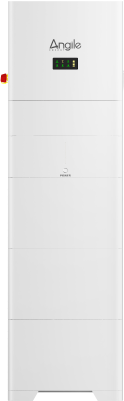
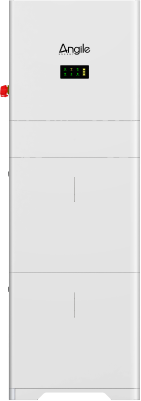
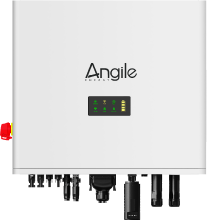
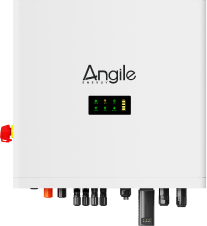
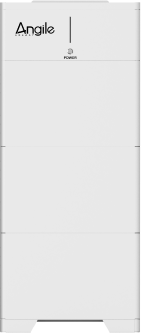
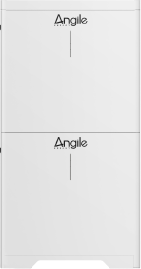
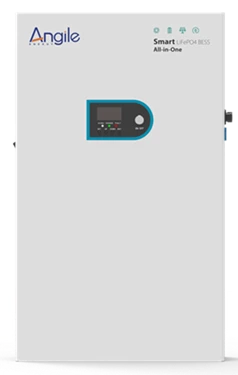
When planning storage, your installer will look at both your household’s energy needs and the inverter it will connect to. Angile Energy’s ePowerCUBE range includes the low-voltage BALV and high-voltage BAHV battery packs, giving homeowners options for different system designs. The choice depends on the inverter’s requirements, while storage capacity can be planned around how much electricity you expect to use after sunset.
Improve the Value of Each Stored Kilowatt-Hour
When buying electricity costs more than the payment received for exporting it, storing surplus solar energy can offer a financial advantage.
However, calculate the benefit after storage losses and the export income you give up. For an illustrative example, assume you store 5 kWh of surplus solar electricity and recover 4.5 kWh after losses. At an import price of €0.30/kWh, that avoids €1.35 of purchases. If exporting those 5 kWh would have earned €0.40, the additional benefit is €0.95 before battery wear and other costs.
This is a hypothetical calculation, not a European tariff average or savings forecast. Annual results depend on how often the battery cycles and whether sufficient surplus is available.
Reduce Purchases During Expensive Hours
Where time-of-use or dynamic tariffs apply, storage can help move grid purchases away from expensive periods. Depending on the equipment and contract, a battery may also charge from cheaper grid electricity when solar production is limited.
The aim is to coordinate charging and discharge with household demand and electricity prices. Price differences must cover conversion losses and battery use costs.
Angile Energy’s ePowerCUBE battery Series includes remote monitoring of battery health, state of charge and energy flow through an app or web portal. This visibility helps homeowners understand how storage is operating and discuss adjustments with their installer.
Add Backup Power with the Right System Design
Typical grid-connected solar systems shut down during an outage to avoid energising utility lines. Adding storage can support selected household circuits, but a battery alone does not guarantee backup.
The installation needs a compatible inverter, appropriate switching and isolation equipment, and a defined backup arrangement. Ask which appliances will remain powered and whether solar can recharge the battery during an outage.
Capacity, measured in kWh, affects available energy. Output power, measured in kW, determines which loads can run simultaneously. Refrigeration, lighting and internet equipment usually require a different backup plan from electric heating or whole-home operation.
Plan for Seasonal Changes and Future Demand
Storage gives you flexibility, but it does not create electricity. Shorter European winter days can leave less solar surplus for charging, especially when heating demand rises.
Review monthly generation estimates alongside your consumption. Consider future changes such as an electric vehicle or heat pump, while avoiding a battery so large that it rarely charges or discharges fully.
Before choosing equipment, compare usable capacity, charge and discharge power, installation conditions, warranties and inverter compatibility. Request separate calculations for solar alone and solar with storage.
Is Pairing Solar with Storage Right for You?
Battery storage is particularly worth assessing when you have regular solar surplus, substantial evening demand, a meaningful import-export price difference or a clear backup requirement.
Solar panels can still be worthwhile without batteries. The strongest pairing is one that matches your household’s energy patterns and budget.
Explore Angile Energy’s residential storage solutions and ask a qualified installer to design a solar-and-battery system around your home.