
Whether you are installing a home solar battery system, a commercial energy storage solution, or a large-scale battery project, choosing the right cooling technology can significantly impact long-term returns.
The two most common cooling methods used in modern energy storage systems are:
Each technology offers unique advantages depending on project size, climate conditions, and operational requirements. Understanding their differences helps homeowners, installers, and project developers make informed decisions.
Lithium batteries operate best within a controlled temperature range. Excessive heat can cause:
Effective thermal management helps maintain cell consistency, improve system reliability, and extend battery life. Modern energy storage systems rely on either air cooling or liquid cooling to achieve these goals.
Air-cooled battery storage systems use fans, ventilation channels, or air conditioning systems to remove heat generated during battery operation.
The cooling process is relatively simple:
Liquid-cooled ESS uses circulating coolant to transfer heat away from battery modules.
A closed-loop cooling system continuously moves coolant through dedicated cooling plates or channels that absorb heat from battery cells and transfer it to a heat exchanger.
However, these disadvantages are often offset by higher efficiency and longer battery life in large-scale applications.
| Feature | Air-Cooled ESS | Liquid-Cooled ESS |
| Cooling Method | Fans and airflow | Coolant circulation |
| Temperature Control | Moderate | Highly precise |
| Installation Cost | Lower | Higher |
| Maintenance | Simple | Moderate |
| Energy Density | Lower | Higher |
| Space Utilization | Larger footprint | More compact |
| Hot Climate Performance | Good | Excellent |
| Battery Lifespan Impact | Moderate | Better thermal consistency |
| Recommended Applications | Residential ESS | Commercial & Utility ESS |
For most homeowners, air-cooled systems remain the preferred choice. Residential battery systems generally operate with:
This makes air cooling a practical and economical solution.
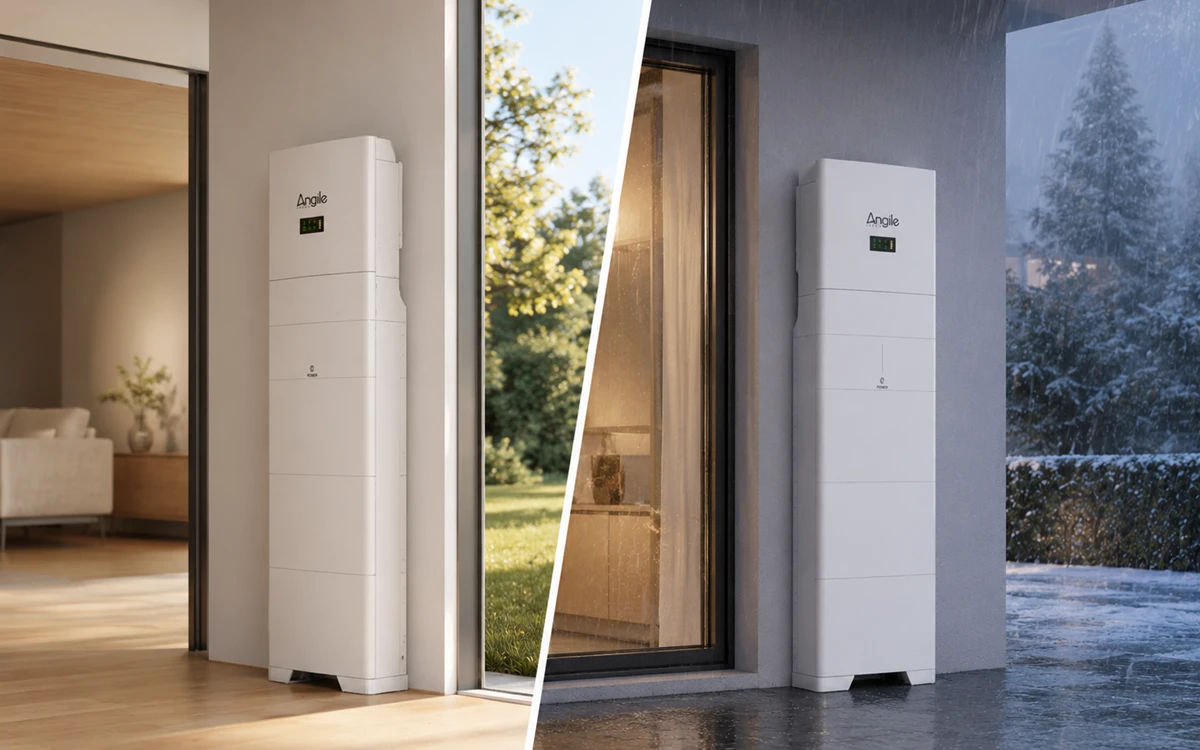
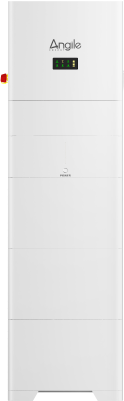
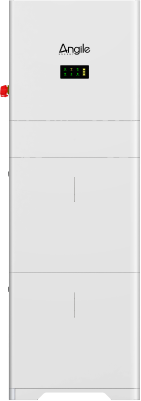
Angile Energy specializes in integrated residential energy storage solutions designed for simplicity, reliability, and long-term performance.
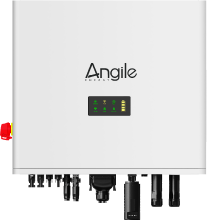
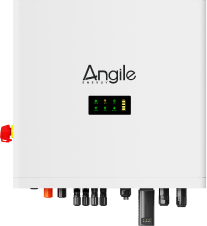
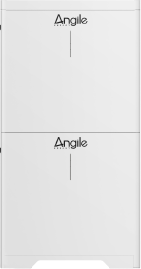
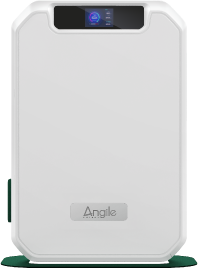
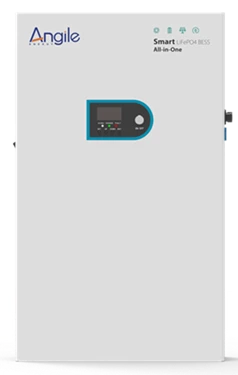
Our residential portfolio includes:
By combining advanced battery technology with intelligent battery management systems (BMS), Angile residential solutions maintain safe operating temperatures while delivering reliable backup power and solar self-consumption optimization.
Liquid-cooled systems become increasingly attractive when projects involve:
In these environments, improved thermal management can significantly increase system efficiency and battery lifespan, helping reduce total ownership costs over time.
At Angile Energy, we understand that battery performance depends on more than battery cells alone.
Our integrated energy storage solutions combine:
Through optimized battery architecture and intelligent system control, Angile ESS solutions help homeowners and businesses maximize battery performance, improve energy independence, and reduce electricity costs.
With European certifications including TÜV, CE, VDE, UN38.3, RoHS, and REACH compliance, Angile products are designed to meet the highest safety and reliability standards.
The choice between air-cooled and liquid-cooled energy storage systems is not about which technology is universally better—it is about selecting the right solution for your application.
For residential solar battery storage, air-cooled systems offer an excellent balance of affordability, simplicity, and reliability.
For commercial, industrial, and high-capacity energy storage projects, liquid cooling provides superior thermal performance, higher energy density, and longer battery life.
As energy storage continues to evolve, intelligent thermal management will remain a key factor in ensuring safety, efficiency, and long-term system value.
At Angile Energy, we provide advanced residential and commercial energy storage solutions designed to deliver reliable performance, smart energy management, and sustainable energy independence for users worldwide.