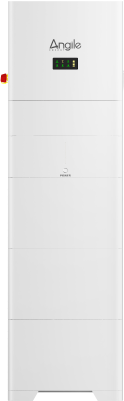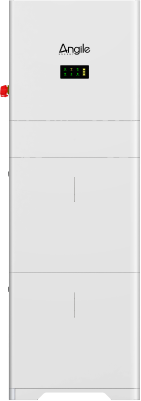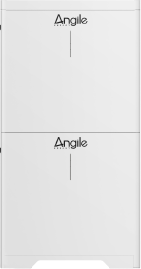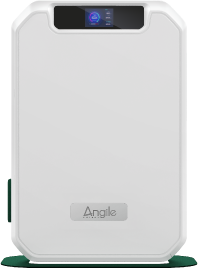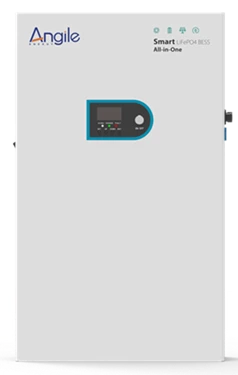

More and more homes and businesses around the world are setting up solar panels, and they are choosing lithium-ion solar batteries as the best way to store that power. Compared to old-fashioned lead-acid batteries, modern lithium solar batteries hold more power, are safer, last longer, and cost less to run over time. This makes them a smart investment for reliable energy in the long run.
This guide gives a detailed, expert look at how long lithium solar batteries last, what affects their performance, and the best ways to make them last as long as possible. We cover how this works for homes, businesses, factories, cell towers, and off-grid systems.
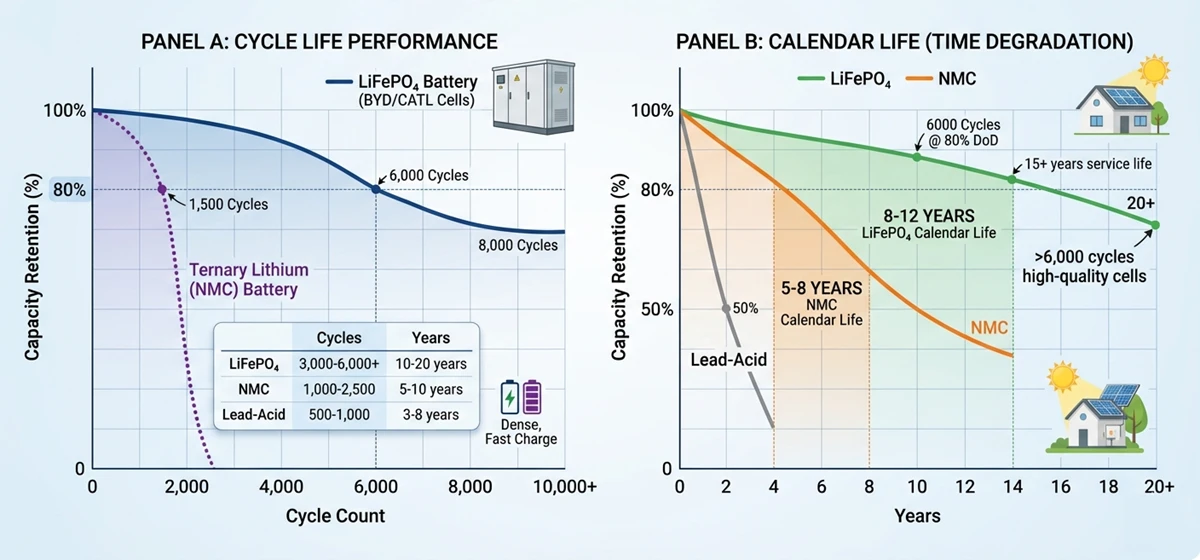
The lifespan of lithium batteries typically varies depending on the materials used. For instance, common Lithium Iron Phosphate (LiFePO4) energy storage batteries usually have a cycle life of 3,000 to 6,000 cycles, while premium battery pack designs can even reach 8,000 to over 10,000 cycles.
Based on one charge-discharge cycle per day, they can be reliably used for 8 to 15 years. Even in high-frequency usage scenarios, such as commercial and industrial (C&I) energy storage, they can generally satisfy a service life of 10 to 15 years.
Industry Standard Retirement Criteria: According to standard energy storage industry practices, when a battery's capacity degrades below 80% of its initial capacity, it can no longer meet the core power system requirements for energy storage efficiency (which requires a guaranteed depth of discharge) and safety (to avoid the risks of overcharging and over-discharging). At this point, it must be retired from primary energy storage applications.
Furthermore, if the capacity drops below 50% and the battery is not properly and compliantly recycled in a timely manner, it poses severe safety hazards—such as fires or explosions triggered by electrolyte leakage and casing corrosion. Additionally, the metallic elements it contains, including lithium, nickel, and cobalt, could leach into the soil and water supplies, causing environmental pollution while wasting valuable mineral resources.
One of the core advantages of LiFePO4 batteries is their exceptionally high cycling performance. Under a standard 0.5C charge/discharge rate, the capacity retention rate remains above 80% even after 3,000 cycles. Some high-quality products (such as cells provided by BYD or CATL) can even achieve over 6,000 cycles.
Even when the battery is not in use, its capacity naturally degrades over time. The calendar life of Lithium Iron Phosphate batteries is approximately 8 to 12 years, and can be even longer under good storage conditions. In comparison, the calendar life of ternary lithium (NMC) batteries is generally 5 to 8 years.
Lithium-ion solar batteries are the best solar storage systems for everyday residential use because they take up very little space while still storing a large amount of energy. Additionally, their high Depth of Discharge (DoD) means you can use more of your stored power.
These batteries have a longer lifespan, so they do not need to be replaced as frequently as lead-acid batteries. Furthermore, their higher efficiency means you can utilize more of the energy generated and stored by your solar panels, giving you better value for your money.
The lifespan of an energy storage system is not a fixed number; rather, it is a dynamic outcome determined by the interplay between cycle life and calendar life, heavily driven by how the system is operated.
As a leading lithium-ion solar energy storage provider, Angile Energy builds these exact lifecycle management strategies directly into our systems. We ensure your system can operate reliably for 10 to 15 years, maximizing the total lifecycle value and long-term ROI of your project.