
With global energy markets under pressure from Middle East tensions and disruptions linked to the Iran War, businesses worldwide are facing renewed volatility in electricity and fuel costs. Rising electricity prices, increasing demand charges, grid instability, and the accelerating transition toward renewable energy are forcing commercial and industrial operators to rethink how they manage power, energy resilience, and long-term operating costs.
Across manufacturing plants, warehouses, office campuses, agricultural operations, logistics centers, hospitals, hotels, retail facilities, and increasingly energy-intensive AI data centers, commercial and industrial (C&I) energy storage systems are becoming a critical part of modern energy infrastructure.
“As artificial intelligence computing drives unprecedented demand for reliable, high-density power, businesses are investing in advanced energy storage solutions to improve grid resilience, stabilize energy costs, support renewable integration, and ensure uninterrupted operations.”
Commercial and industrial energy storage allows businesses to store electricity and use it when energy costs are highest, when grid outages occur, or when renewable energy production fluctuates. These systems improve energy resilience, reduce operating expenses, support sustainability goals, and create long-term energy independence.
For many organizations, energy storage is no longer viewed as an optional sustainability investment. It is increasingly becoming a strategic operational asset.
At Angile Energy, we help businesses deploy scalable, smart battery energy storage systems designed for performance, safety, and long-term ROI.
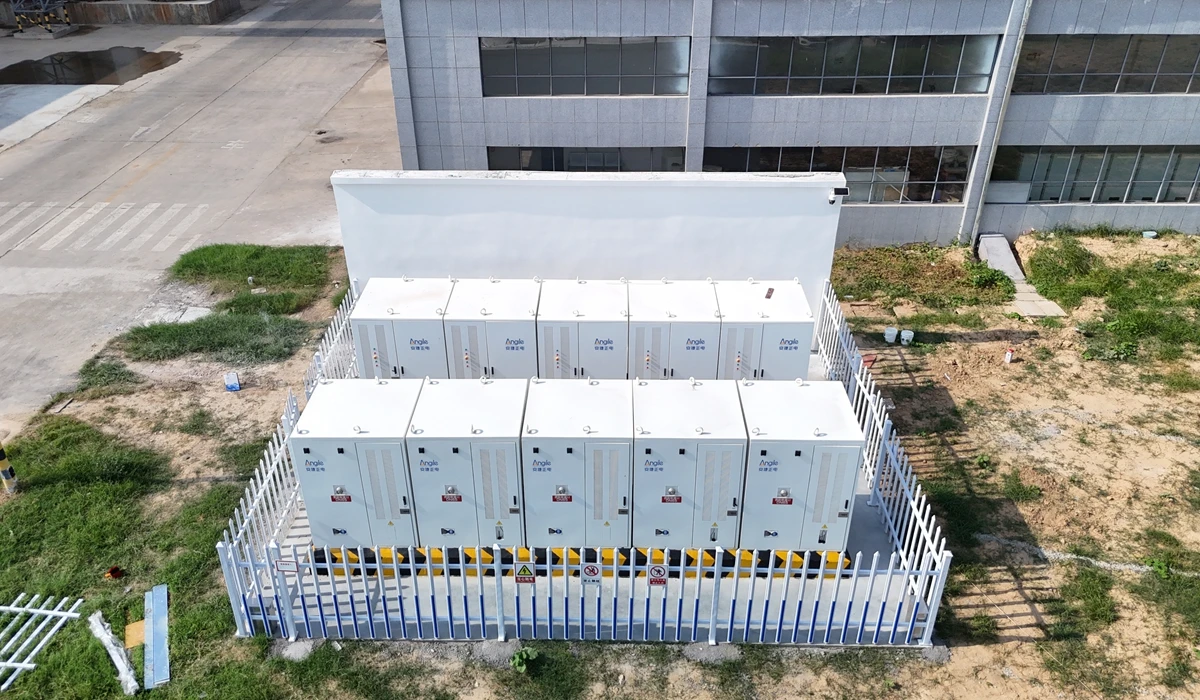
Commercial and industrial energy storage refers to battery systems that store electricity for use by businesses, facilities, campuses, and industrial operations.
These systems typically work alongside:
Energy is stored during periods of low electricity pricing or excess renewable generation and discharged when demand spikes or outages occur.
| Application | Business Benefit |
| Peak shaving | Reduce demand charges |
| Load shifting | Use cheaper off-peak electricity |
| Backup power | Maintain operations during outages |
| Solar self-consumption | Maximize renewable energy usage |
| Microgrids | Improve energy independence |
| EV charging support | Stabilize charging demand |
| Demand response | Participate in utility incentive programs |
Many utilities charge businesses not only for energy consumption but also for peak demand usage. In countries such as Germany, France or Norway, demand charges and time-of-use tariffs can account for 30–70% of a commercial electricity bill, particularly for manufacturing facilities, data centers, and large industrial operations.
Battery energy storage systems help reduce these charges by discharging stored energy during peak periods.
Grid interruptions, extreme weather, and infrastructure stress are becoming more common worldwide. Downtime can cause:
Energy storage provides fast-response backup power and operational continuity.
Solar energy production fluctuates throughout the day. Storage systems capture excess solar generation and make it available when production declines.
This improves renewable energy utilization and reduces grid dependence.
Many companies are pursuing carbon reduction initiatives and sustainability targets. Energy storage helps reduce fossil fuel dependence and supports cleaner energy consumption.
A commercial battery energy storage system (BESS) consists of multiple integrated technologies working together.
Battery cells store electrical energy chemically. Most modern commercial systems use lithium iron phosphate (LiFePO4) batteries because of their:
The BMS monitors:
A high-quality BMS is critical for system reliability and battery lifespan.
The EMS controls how and when stored energy is used. It can optimize:
These components convert DC battery power into usable AC electricity for facility operations.
Commercial storage systems generate heat during operation. Advanced thermal management improves:
Both air-cooled and liquid-cooled systems are commonly used.
Choosing the correct cooling architecture is one of the most important decisions in commercial energy storage design.
| Feature | Air-Cooled | Liquid-Cooled |
| Initial Cost | Lower | Higher |
| Thermal Control | Moderate | Excellent |
| Energy Density | Lower | Higher |
| Maintenance Complexity | Lower | Higher |
| Ideal Scale | Small to Medium | Medium to Large |
| High-Temperature Performance | Moderate | Strong |
Peak demand charges are often one of the largest operating expenses for commercial facilities.
Battery systems discharge during periods of highest electricity demand, reducing utility demand charges and improving energy cost predictability.
A manufacturing facility in Germany with a 2 MW peak load experience a plus capacity charges per billed kW (or kVA) of monthly/annual peak.
By deploying a battery system capable of shaving 500–800 kW during peak periods, the facility can significantly reduce utility charges.
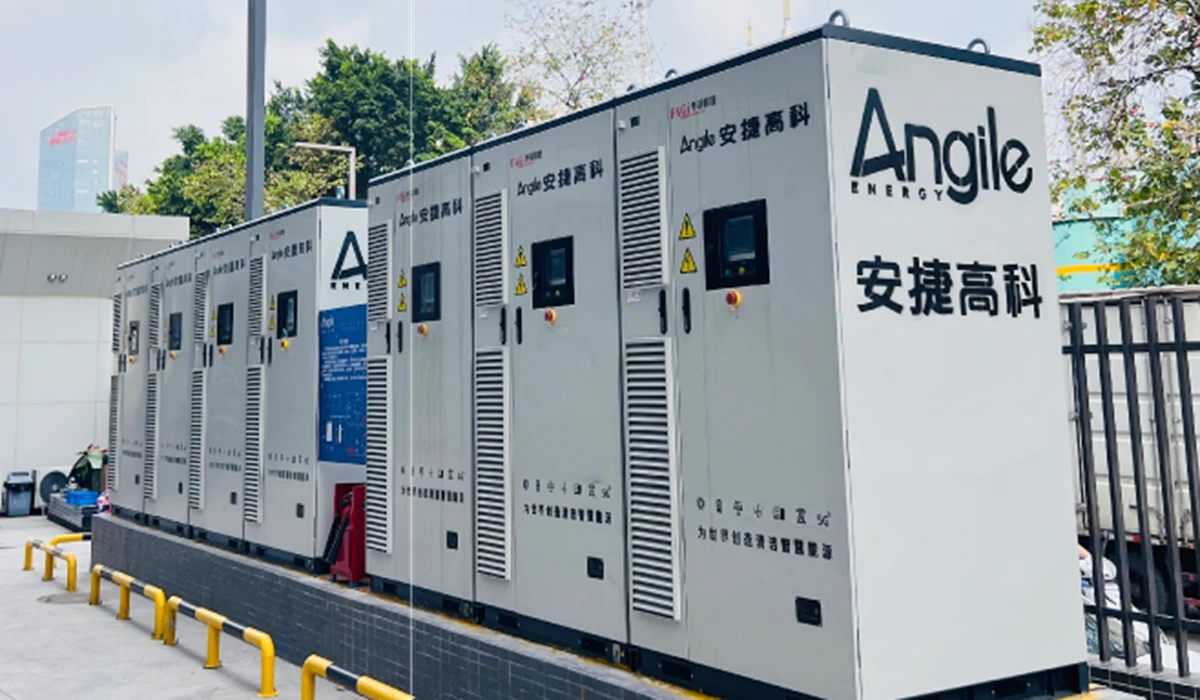
Many utilities offer time-of-use pricing.
Businesses can:
This strategy helps optimize electricity purchasing.
Traditional diesel generators may require startup delays and fuel logistics.
Battery energy storage systems provide:
Critical operations such as hospitals, telecom facilities, and logistics centers increasingly combine battery storage with generators and solar systems.
Solar generation often peaks when facility demand is low.
Without storage, excess solar energy may be exported to the grid at lower compensation rates.
Storage allows businesses to:
As EV fleets expand, commercial charging loads can create major utility demand spikes.
Battery storage helps:
One of the most important questions decision-makers ask is:
“What is the return on investment for commercial battery storage?”
The answer depends on several factors.
| Factor | Impact on ROI |
| Utility demand charges | Higher charges improve savings |
| Electricity rate structure | Time-of-use pricing increases value |
| Solar integration | Improves self-consumption savings |
| Battery cycling frequency | Higher utilization improves returns |
| Local incentives | Reduces project costs |
| Facility operating schedule | Affects dispatch opportunities |
Commercial energy storage projects often achieve payback periods between:
System lifespan commonly exceeds 10–15 years depending on usage patterns and battery chemistry.
Angile Energy deployed:
| Metric | Result |
| Simultaneous fast charging support | 10–15 DC fast chargers |
| Daily EV charging service capacity | 80–150 vehicles/day |
| Peak demand management | Reduced grid dependency during peak hours |
| Solar energy utilization | Increased onsite renewable consumption |
| Backup power capability | Approximately 2 hours at full 2 MW output |
| Estimated payback period | Approximately 4 years |
This type of deployment demonstrates how storage can simultaneously improve operational resilience and financial performance.
Installed on the customer side of the utility meter.
Connected directly to utility infrastructure.
Microgrids combine:
Microgrid systems allow facilities to operate independently during outages.
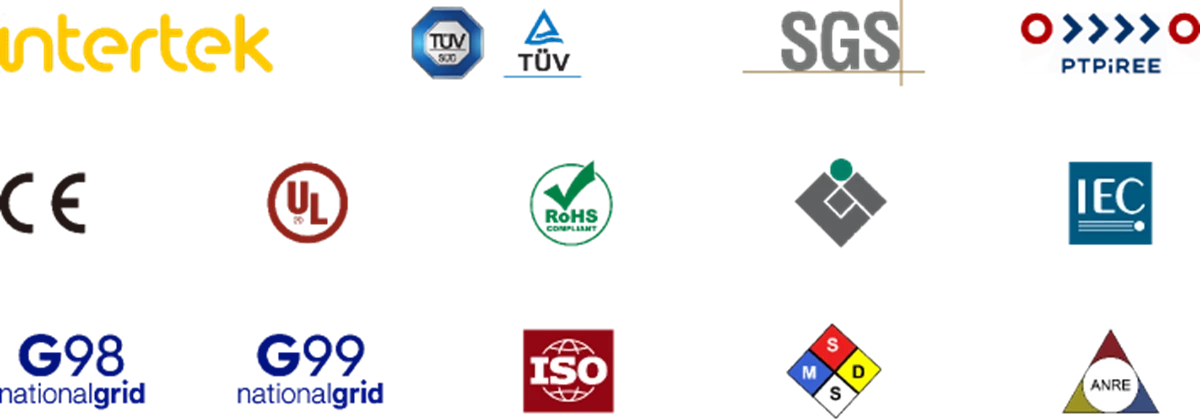
Safety is one of the most important considerations in commercial battery storage deployment.
| Standard | Purpose |
| UL9540 | ESS safety certification |
| UL9540A | Thermal runaway testing |
| IEC62619 | Industrial lithium battery safety |
| NFPA 855 | ESS installation requirements |
| IEEE 1547 | Grid interconnection standards |
Businesses should ensure their storage provider complies with applicable regional and international standards.
Look for:
A qualified provider should support:
Energy needs can grow over time. A modular energy storage system makes it easier to add more battery capacity in the future without replacing the entire system.
Advanced monitoring platforms improve:
Long-term support is critical for maximizing system lifespan and ROI.
The commercial energy storage market continues to evolve rapidly.
Artificial intelligence and predictive analytics are improving:
Distributed commercial battery systems can participate in utility grid services and create additional revenue streams.
Fleet electrification is increasing demand for integrated storage and charging infrastructure.
Businesses are increasingly evaluating systems capable of multi-hour and long-duration energy shifting.
At Angile Energy, we focus on delivering reliable, scalable, and intelligent energy storage solutions tailored for commercial and industrial applications.
System sizing depends on:
A professional energy assessment is typically required for accurate sizing.
Modern LiFePO4 commercial battery systems commonly provide:
Actual lifespan depends on temperature, cycling frequency, and operating conditions.
Yes.
Many businesses deploy storage systems purely for:
However, combining solar with storage often improves project economics.
When properly designed and certified, modern ESS solutions are highly safe.
Key safety features include:
Commercial and industrial energy storage is rapidly becoming a core component of modern business infrastructure.
As electricity costs rise and energy reliability becomes more important, businesses that invest in intelligent energy management systems will gain:
Energy storage is no longer simply a backup solution.
It is becoming the foundation of intelligent commercial energy management.
Whether you are planning a solar-plus-storage project, reducing demand charges, building a microgrid, or supporting EV charging infrastructure, Angile Energy can help design the right solution for your facility.
The future of commercial energy is intelligent, resilient, and storage-enabled.
Smart, Scalable, and Reliable Energy Storage Systems
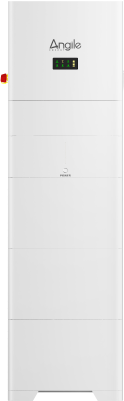
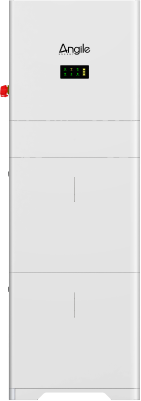
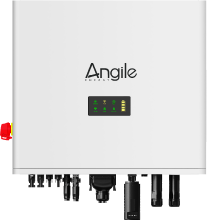
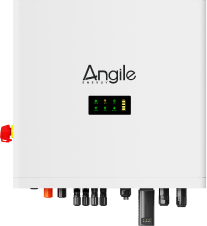
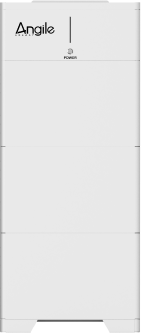
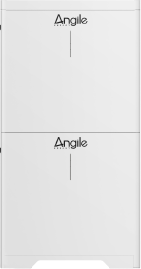
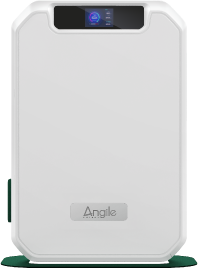
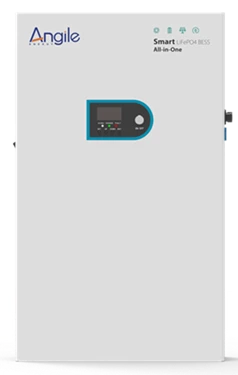
Angile’s residential energy storage solutions are built around 5kW–12kW hybrid inverters (PCS), compatible with both low-voltage (such as 51.2V) and high-voltage battery packs.
Users can start with a compact 5kWh setup and easily expand the system to 20–30kWh or more through modular battery additions.
The system supports off-grid operation, intelligent monitoring, and remote firmware upgrades, helping homeowners achieve greater energy independence and smarter energy management.
For commercial and industrial applications, Angile offers standardized outdoor liquid-cooled all-in-one cabinets in two main configurations: 105kW / 233kWh and 250kW / 500kWh.
These systems utilize high-performance Lithium Iron Phosphate (LFP) battery cells operating on a high-voltage platform of approximately 700–900V, while connecting to a 380V low-voltage distribution grid.
The “single cabinet as a power station” design ensures fast deployment and allows multiple cabinets to operate in parallel for larger-scale energy storage requirements.
For MW/MWh-scale projects, Angile adopts customized containerized integration solutions by combining multiple 250kW / 500kWh standard units into large-scale systems.
This highly integrated architecture enables rapid deployment and reliable operation for grid-level applications such as:
• Grid peak shaving and frequency regulation
• Renewable energy integration
• Utility-scale energy management
The solution provides scalability, operational efficiency, and strong support for modern smart grids.