If you are investing in solar panels for your home, choosing the right energy storage solutions is the next big step. This guide explains the basics in simple terms and focuses on how long storage batteries last.
Table of Contents (Click to expand)
What are energy storage solutions?
Energy storage solutions are systems that store electricity for later use. They are a perfect match for solar panels, storing power during the day for use at night. They can also work seamlessly with the utility grid.
Common types include:
-
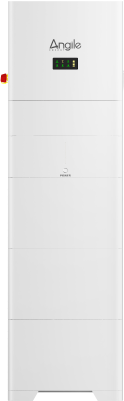
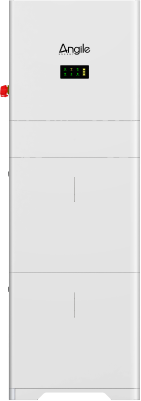
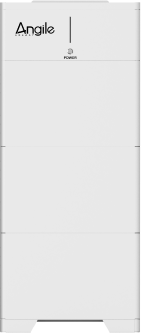
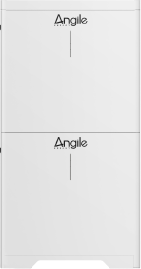
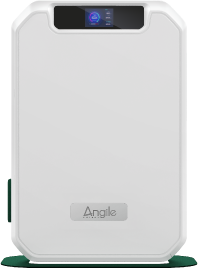
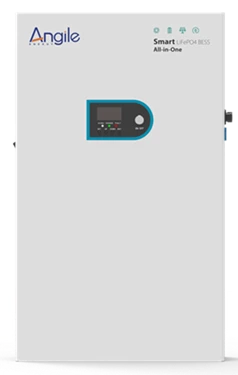
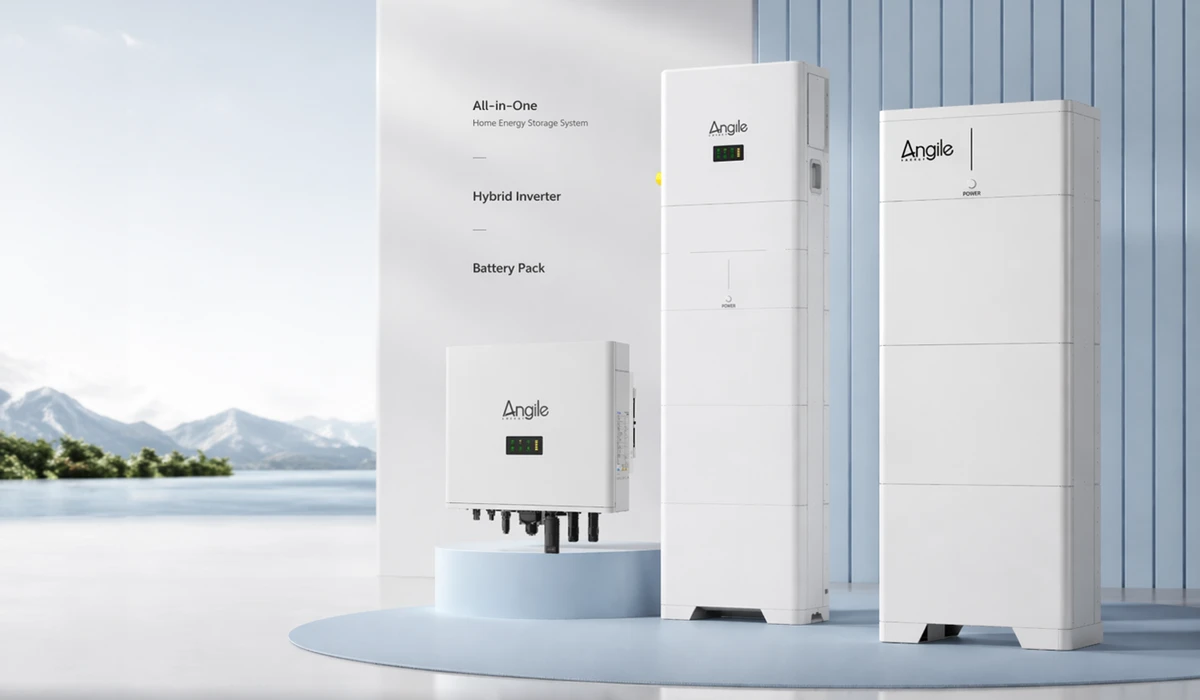
Home battery systems: Compact units like those from Angile Energy that power houses during outages or after sunset.
-
Commercial storage units: Larger systems designed to help businesses reduce peak energy costs.
-
Large-scale grid storage: Massive installations that help keep entire cities' power supplies stable.
The main goal is simple: save extra energy and use it when needed.
How do energy storage systems work?
Energy storage systems collect electricity and store it in batteries until it is needed. This allows you to use your own clean energy even when the sun isn't shining.
The simple flow: Solar Generation → Battery Storage → On-Demand Use
To ensure everything runs smoothly, a Battery Management System (BMS), like the ones integrated into Angile Energy solutions, acts as the "brain." It constantly monitors health, controlling charge and discharge rates to keep the system safe and durable.
Is energy storage a good investment?
Energy storage is often most useful if you have solar panels, live in an area with high electricity prices, or experience frequent power outages.
The primary benefits include:
-
Lower electricity bills: Maximize savings by reducing reliance on utility companies.
-
Backup power: A reliable safety net during storms or grid failures.
-
Efficiency: Ensure none of the clean energy your panels produce goes to waste.
While the return on investment depends on the initial system cost and local energy rates, solutions from Angile Energy are designed to improve efficiency, helping you see those financial benefits sooner.
Storing energy at home
Home energy storage is becoming more common as more people look for ways to gain independence from the power grid. Many homeowners now install batteries alongside their solar panels to make their energy setup more efficient.
Typical home systems provide several key benefits:
-
Daily Savings: They store excess power during the day when the sun is brightest.
-
Nighttime Power: They provide that stored energy at night, so you don't have to buy expensive electricity from the grid.
-
Blackout Protection: They offer an automatic backup, keeping your essential appliances running during local power outages.
These systems, such as the residential units offered by Angile Energy, are designed to be compact and require very little maintenance. Currently, lithium-ion batteries are the most widely used choice for homes because they are reliable, safe, and fit easily into small spaces like garages or utility rooms.
What Defines a Battery’s Life?
Lithium-ion solar batteries are widely used today in residential and commercial systems. They are known for good efficiency, stable performance, and long service life. Most high-quality lithium-ion batteries used in solar systems last around 10 to 15 years, depending on how they are used and maintained.
In general, for lithium-ion batteries:
|
Metric
|
Typical Range
|
|
Typical Lifespan
|
10 to 20 years
|
|
Cycle Life
|
6,000 to 10,000 cycles
|
In some cases, especially with advanced lithium iron phosphate (LiFePO₄) technology, the lifespan can reach even longer. Some systems can operate for more than 15 years when conditions are well controlled. Angile Energy designs systems with these high-cycle standards in mind to ensure that homeowners get the longest possible use out of every unit.
What affects battery lifespan?
There are a few key factors that influence how long an energy storage system lasts:
-
Depth of Discharge (DoD): The more deeply a battery is drained every day, the faster it wears out. Keeping usage moderate helps extend life.
-
Temperature: High heat or very cold environments can reduce performance over time. Stable temperatures help batteries last longer.
-
Charging Behavior: Fast or unstable charging can increase stress on the battery. A well-managed system protects long-term health.
-
System Quality: Good battery cells and a reliable Battery Management System (BMS) make a big difference in safety and durability.
How to Make Your Battery Last Longer
To get the best value out of your energy storage, keep these simple tips in mind:
-
Proper Installation: Ensure your system is installed in a well-ventilated and shaded area, such as a garage or a protected outdoor space, so it can stay at a stable temperature.
-
Regular Monitoring: Most systems come with an app. Check it occasionally to ensure the battery isn't overheating.
-
Warranty Check: A 10-year warranty is the industry standard. It gives you peace of mind that the technology is built for long-term reliability and that the manufacturer stands behind its durability.
Why is energy storage important?
Energy storage is becoming a critical part of the modern power grid for several key reasons:
-
Solar energy is growing quickly
-
Power supply is not always stable
-
Energy costs are rising
-
Users want more control over electricity use
Ultimately, storage systems help balance supply and demand. They transform renewable energy into a reliable, consistent resource that works around your schedule, not just the sun's.
Conclusion
While a lithium-ion solar battery won't last forever, it is a durable technology. With proper care and smart usage, it will provide clean, reliable power to your home for many years, helping you save money and reduce your carbon footprint.