
Investing in a solar battery is a major step toward energy independence and lower utility bills. However, a battery system is a significant investment, and like any piece of technology, its lifespan depends heavily on how it is treated.
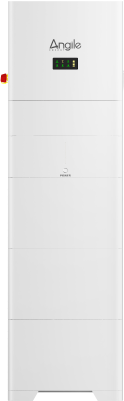
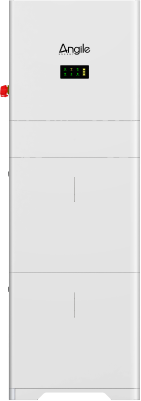
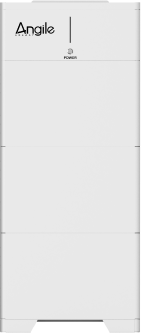
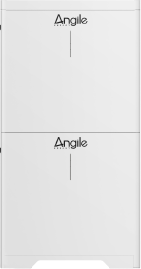
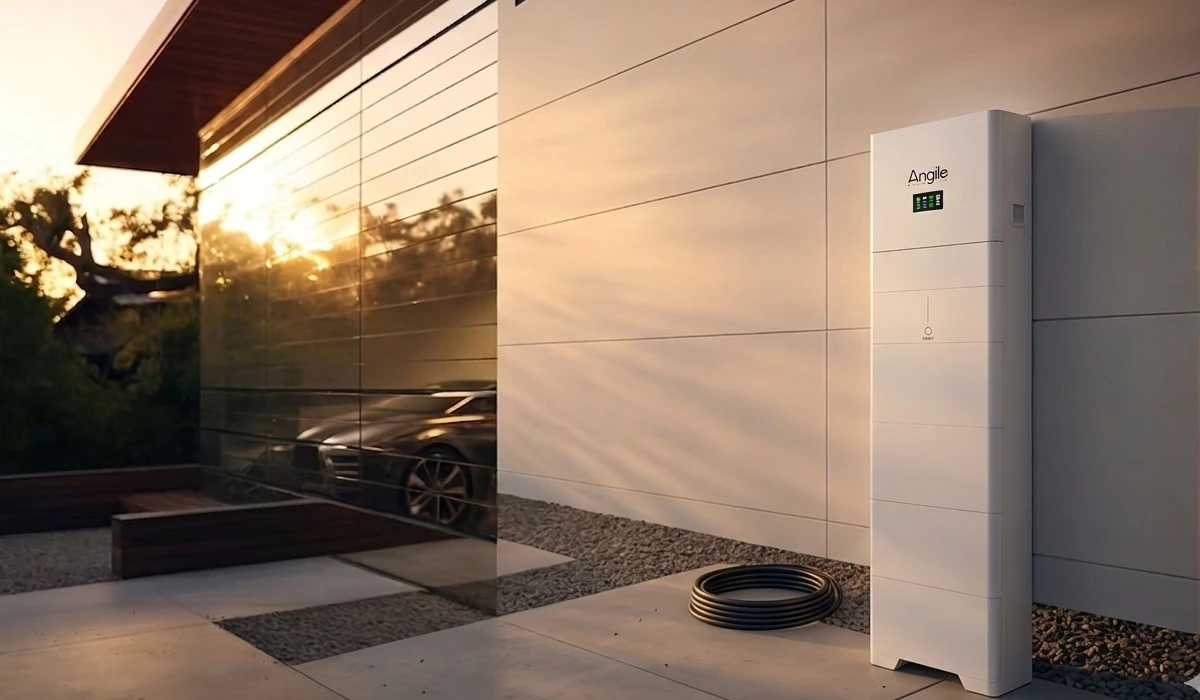
Most modern lithium batteries are designed to last 10 years or more, such as Angile's ePowerCUBE series. But with the right approach, you can maximize their health and performance well into the future. In this blog, we will give 5 practical tips to help you get the most out of your energy storage system.
A solar power system captures sunlight through photovoltaic (PV) panels and converts it into direct current (DC) electricity. Since most homes and businesses run on alternating current (AC), an inverter is used to transform that energy into a usable form.
During the day, any excess electricity your panels produce—beyond what you’re currently using—is directed into a solar battery storage system. A smart Home Energy Management System (HEMS) acts as the coordinator, deciding whether to power your appliances immediately, store the energy for nighttime use, or even feed it back to the grid.
The "Depth of Discharge" refers to how much of the battery’s capacity has been used relative to its total capacity. For example, if you have a 10kWh battery and use 8kWh, your DoD is 80%. While many modern Lithium Iron Phosphate (LFP) batteries can handle high discharge rates, consistently draining your battery to 0% puts unnecessary stress on the cells. Most experts recommend keeping your battery’s daily discharge between 20% and 80%.
High temperatures accelerate the chemical breakdown inside the battery. Avoid installing your system in direct sunlight or in a cramped space with no airflow. A cool, dry garage or a shaded, well-ventilated outdoor enclosure is usually the best location. Keeping the system between 10°C and 30°C is ideal for longevity.
Smart systems can "look ahead" at weather forecasts. If it knows tomorrow will be sunny, it might wait to charge the battery with solar power rather than pulling "hard" power from the grid. By managing when high-power appliances run, the HEMS prevents sudden, high-current draws, keeping the cells "relaxed."
The Battery Management System (BMS) is the internal software that monitors every cell’s voltage and temperature. Manufacturers frequently release firmware updates that improve how the BMS balances cells or handles charging cycles. Ensure your system is connected to Wi-Fi to receive these automatic improvements.
LFP (Lithium Iron Phosphate) batteries generally offer a much higher cycle life—often lasting 6,000 cycles or more compared to the 2,000–3,000 cycles typical of NCM. LFP is chemically more stable and significantly less prone to "thermal runaway," making it a safer and longer-lasting choice.
Extending the life of your solar battery doesn't require constant effort. By choosing a stable chemistry like LFP, placing the unit in a cool location, and using smart management software, you ensure that your transition to renewable energy remains cost-effective for years to come.
At Angile Energy, we believe intelligent management is what makes the difference in long-term ROI. If you are looking to optimize your home’s energy efficiency, contact our technical team today for an expert consultation.