
In recent years, you’ve likely seen more blue-black panels appearing on neighbors' roofs or in large open fields. Solar power is no longer a futuristic concept; it’s a mainstream way to power our lives. But if you’ve ever wondered what’s actually happening inside those panels, you’re in the right place.
In this post, we’ll break down how solar energy works and what you need to know about its growth and storage.
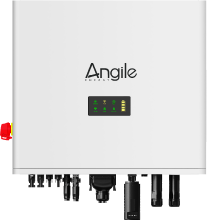
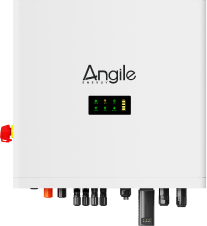
Solar energy works by turning sunlight into electricity through solar panels. The basic idea is simple: panels catch sunlight, convert it into direct current (DC), and an inverter changes it into alternating current (AC) that homes and appliances can use.
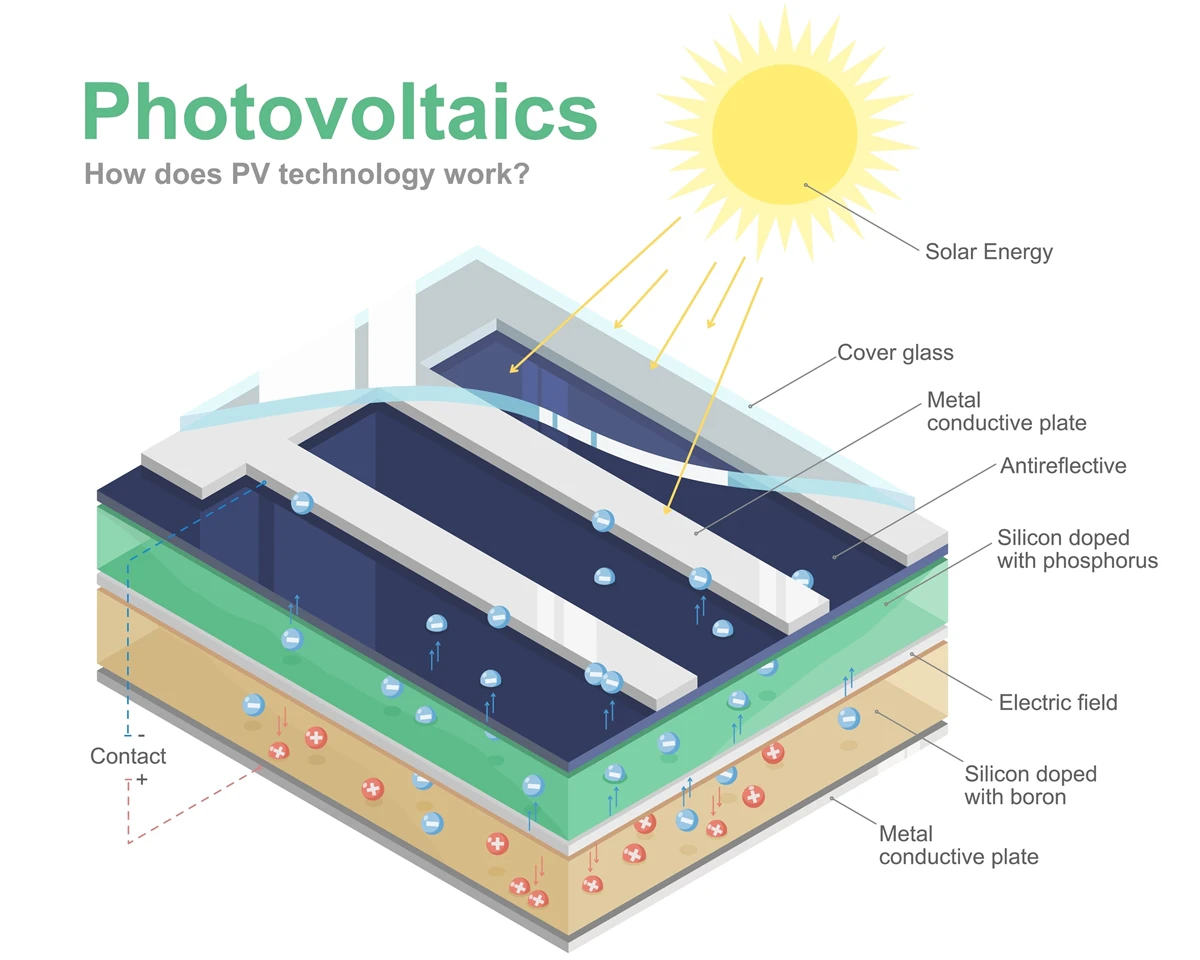
The magic starts with Photovoltaic (PV) panels. These are made up of many smaller units called solar cells, usually crafted from silicon.
When sunlight hits a solar cell, it knocks electrons loose from their atoms. Because of how the cell is built, these loose electrons are forced to move in a specific direction. This flow of electrons creates an electrical current. Think of it like a "solar slide" where the sun pushes particles down a path to create energy.
While the panels create a current, it isn't quite ready for your toaster or TV yet. Here is the step-by-step process:
| Step | Action |
| Absorption | PV panels capture sunlight and turn it into DC (Direct Current) electricity. |
| Conversion | An inverter takes that DC electricity and converts it into AC (Alternating Current). |
| Distribution | The AC electricity flows through your home’s electrical panel to power appliances. |
| The Grid | If your panels produce more energy than you need, the extra usually flows back into the city’s power grid. |
Solar energy has many advantages. One of the biggest is lower electricity bills. Once a solar system is installed, it can produce power for many years with very little day-to-day effort. Solar also helps protect households from future electricity price increases because they are making part of their own energy. It is also cleaner than burning coal, oil, or gas, so it supports better air quality and lower emissions. In many places, solar has become one of the easiest ways to build a more sustainable home.
Another advantage is that solar systems can be scaled to fit different needs. A small rooftop system may help a family reduce bills, while a larger system can supply a business or even a whole neighborhood through the grid. This flexibility is one reason solar has expanded so fast in Europe. In recent years, Europe has seen strong solar growth as governments, companies, and households look for cleaner and more secure energy sources. Solar is no longer seen as a niche option. It has become a central part of the energy mix in many countries.
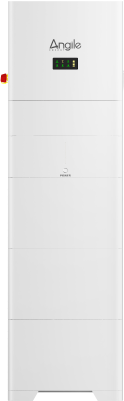
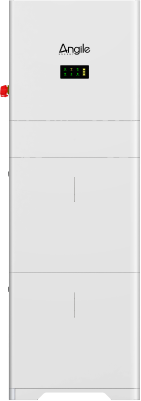
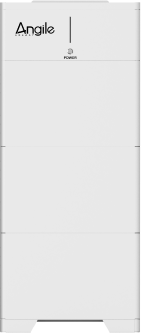
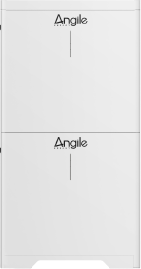
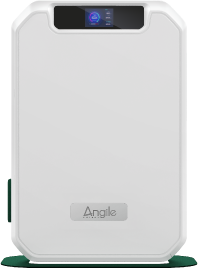
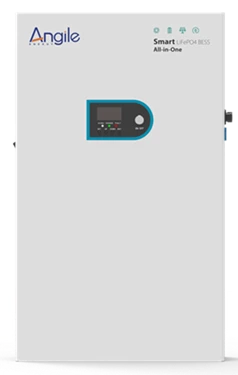
Angile Energy focuses on smart energy storage and energy management solutions that help solar systems do more than just make power during the day. By combining solar, storage, EMS, PCS, BMS, and VPP technologies, Angile Energy supports better use of renewable energy, improved reliability, and smarter control of power flow. In practical terms, that means solar energy can be stored, managed, and used more efficiently at home or in commercial projects.
Still, solar energy has disadvantages too. The most obvious is its dependency on sunlight. Solar panels do not produce electricity at night, and they produce less on cloudy days or during winter. That means homes still need another source of electricity when solar output is low. Another drawback is the upfront cost. Even though solar can save money over time, the initial price of panels, inverters, installation, and possibly batteries can be high.
There are also practical limits. A roof must be in good condition, have enough space, and ideally receive plenty of sun during the day. Shading from trees, chimneys, or nearby buildings can reduce output. Some homes simply are not good candidates for solar without extra work. Maintenance is usually low, but solar systems still need monitoring, occasional cleaning, and periodic equipment checks. So while solar is a strong option, it is not a perfect fit for every property.
Europe is leading the charge in the solar revolution. In June 2024, solar became the EU’s largest source of electricity generation, surpassing fossil fuels for a period. Countries like Germany, Spain, and the Netherlands are installing record-breaking capacity as the continent aims to be climate-neutral by 2050.
If you want to store solar energy, battery storage is one of the most important things to consider. A battery lets you save extra electricity produced during the day and use it later when the sun is down. This can improve self-use, reduce grid dependence, and make your home more resilient during outages. When choosing storage, think about battery capacity, charging speed, lifespan, safety, cost, and whether the battery works well with your inverter and panels.
It is also important to match storage size to your actual energy use, because a battery that is too small may not help much, while one that is too large may be unnecessary.
For many homeowners, storage becomes even more valuable when electricity prices are high or when usage patterns do not match solar production. For example, if your family uses most of its power in the evening, a battery can shift daytime solar energy to nighttime use. That often makes the whole system more efficient and more useful. Angile Energy’s storage and smart energy systems are built around this kind of idea, helping solar power become more usable across the whole day. In places with variable weather or expensive grid power, storage can make solar much more practical.
If you live in the UK and are still seeing high bills despite having solar, there are usually three culprits:
The "Cloud" Factor: UK winters have very short days and frequent heavy cloud cover, meaning your panels might only produce a fraction of what they do in July.
Most people use the most electricity in the evening (cooking, heating, lights) when the sun has already set. Without a battery, you are buying that evening power from the grid at full price.
Even if you use very little electricity, UK energy suppliers charge a daily "standing charge" just for being connected to the grid.
Overall, solar energy is a simple but powerful idea. It turns sunlight into usable electricity through solar panels, an inverter, and sometimes batteries. It offers clear benefits such as lower bills, cleaner power, and greater energy independence. It also has limits, especially when sunlight is weak or when storage is missing. As solar continues to grow in Europe and beyond, companies like Angile Energy are helping make solar systems smarter by combining generation, storage, and energy management into one connected solution.