

Table of Contents (Click to expand)
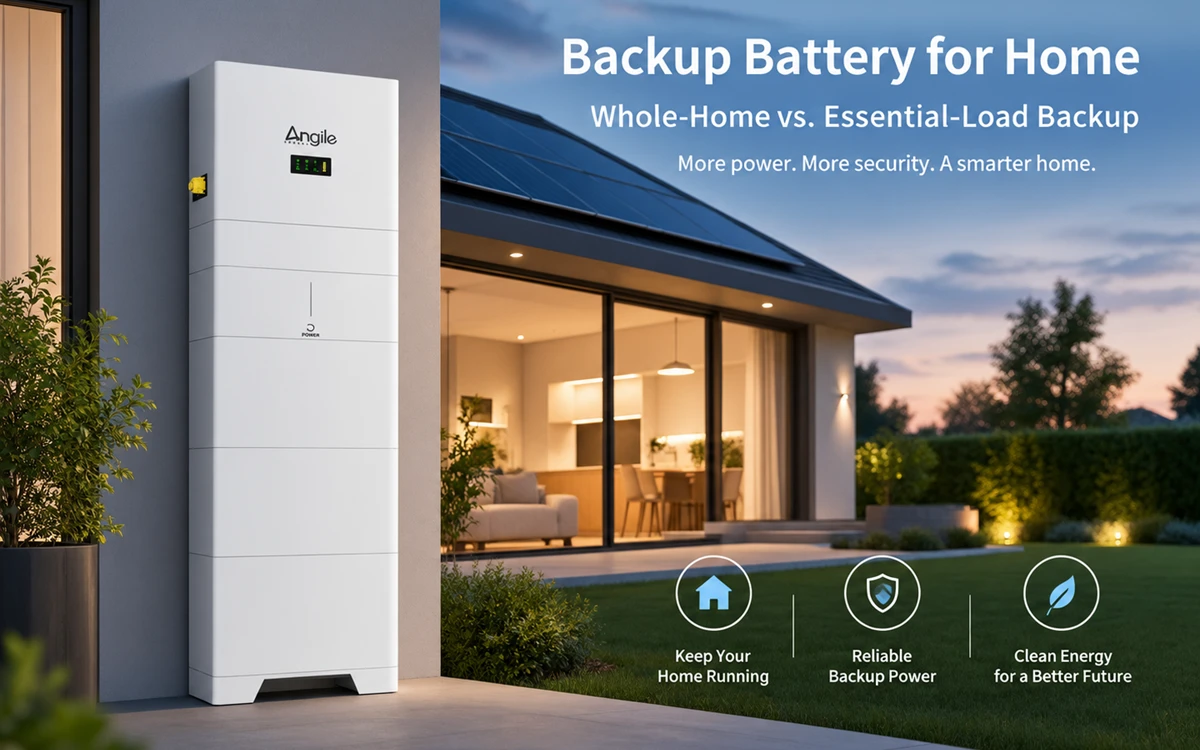
When choosing a backup battery for your home, one of the first questions is: should the battery power the whole house or only the most important appliances?
There is no single answer for every home. The right choice depends on your electricity usage, critical loads, expected outage duration, solar system, available space, and budget. In general, essential-load backup focuses on reliability and longer runtime, while whole-home backup provides greater comfort and convenience.
What Is Essential-Load Battery Backup?
An essential-load battery backup supplies electricity only to selected circuits when the grid goes down. Typical loads include:
- Refrigerator and freezer.
- Lighting.
- Wi-Fi and communication equipment.
- Security systems.
- Selected power outlets.
- Garage doors.
- Pumps or other critical equipment.
This approach can be a practical choice for many households. Instead of using stored energy for every appliance, the battery focuses on the loads that matter most.
The main benefit is better battery efficiency. With fewer appliances operating at the same time, the stored energy can last longer. It can also reduce the required battery capacity and overall system cost.
What Is Whole-Home Battery Backup?
Whole-home backup is designed to supply power to most or all of the home's circuits during a grid outage.
Depending on the system size, this can include lighting, refrigeration, kitchen appliances, selected HVAC equipment, pumps, laundry equipment, and other household loads.
The advantage is simple: life can continue more normally during a power cut. However, a whole-home system normally requires more inverter power and battery capacity because more appliances may operate at the same time.
This is especially important when a home uses high-power equipment such as heat pumps, electric water heaters, induction cookers, EV chargers, or pumps.
Backup Battery Capacity Is Only Part of the Solution
When comparing battery backup systems, it is important to look at both battery capacity and inverter power.
Battery capacity, measured in kWh, affects how long the system can provide energy. Inverter power, measured in kW, determines how much power the system can deliver at one time.
For example, a home may have enough battery energy for several hours but still be unable to operate several high-power appliances simultaneously if the inverter is too small.
This is why whole-home backup requires careful load planning rather than simply installing a larger battery.
Which Backup Battery Setup Is Better for Homes?
For many homeowners, an essential-load system is a sensible starting point. It provides backup for the most important appliances without requiring an oversized system.
Whole-home backup may be more suitable for larger properties or households that want stronger energy independence and greater comfort during longer outages.
There is also a third option: a managed combination of essential and comfort loads. For example, a system could protect refrigeration, lighting, internet, and security equipment while also supporting a selected heat pump, cooling zone, or pump when enough battery energy is available.
This approach can provide a useful balance between backup runtime and everyday comfort.
Why a Hybrid Inverter Matters
A hybrid inverter is an important part of a residential battery backup system. It manages energy between solar panels, the battery, the home, and the grid.
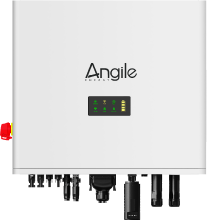
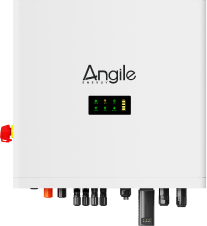
Angile Energy hybrid inverters are available in single-phase 4–6 kW models and three-phase 8–12 kW models. They support battery energy management, reverse power flow protection, remote firmware upgrades, and up to 150% PV oversizing.
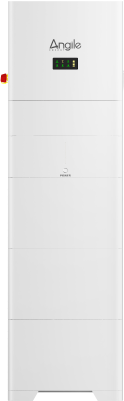
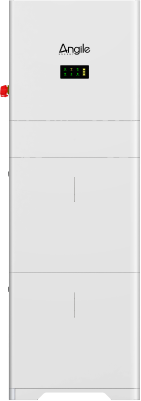
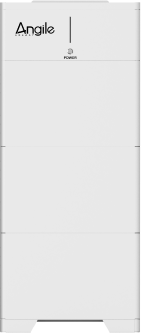
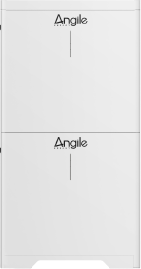
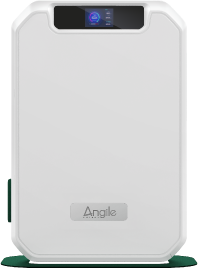
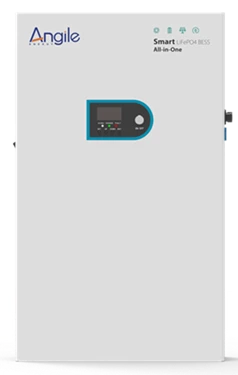
Angile Energy also offers scalable residential systems using both high-voltage and low-voltage battery packs. Its all-in-one solutions combine the hybrid inverter, battery modules, and intelligent battery management into an integrated energy storage system.
How to Choose the Right Backup Battery
Before choosing a backup battery system, it is important to understand how your home actually uses electricity. A larger battery is not always the better choice. The right system should match your essential loads, expected backup time, inverter output, and future energy needs.
Before choosing a system, consider these five questions:
- Which appliances must remain powered during an outage?
- How long should the battery provide backup?
- Do you want to operate heating, cooling, or pumps?
- How much solar energy can recharge the battery?
- Do you want to expand the system in the future?
For many European homes, the best solution is not necessarily the biggest battery. A properly sized system that matches the home's real loads can provide better value and more reliable backup power.
Angile Energy offers scalable residential energy storage systems designed for European markets, with local support and multiple battery and inverter configurations.
Final Thoughts
A backup battery can do much more than keep the lights on. With the right system design, it can protect essential appliances, support selected household loads, store solar energy, and provide greater resilience when the grid is unavailable.
Choose essential-load backup when longer runtime and cost control are the priorities. Choose whole-home backup when comfort and broader protection matter more. For many households, a flexible system that combines essential loads with selected high-priority appliances may offer the best balance.
The most important step is to design the battery system around the home's actual energy needs rather than simply choosing the largest available capacity. By considering both present and future electricity consumption, homeowners can build a backup solution that is practical today and ready to grow tomorrow.