
When you buy a home battery, you may notice that the energy shown in the app or available to your home is slightly lower than the capacity stated on the product label. For example, a battery advertised as 5.12 kWh may not always deliver exactly 5.12 kWh of usable energy.
This does not necessarily mean there is a problem with the battery. The advertised capacity and the usable capacity are two different measurements. Understanding the difference can help homeowners choose and use a battery storage system more effectively.
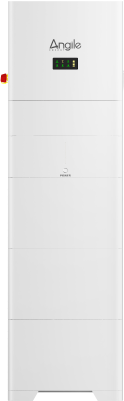
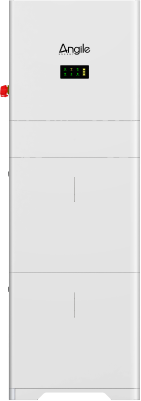
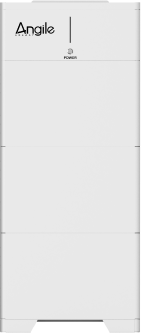
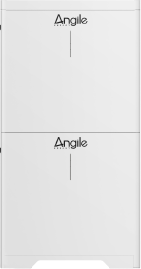
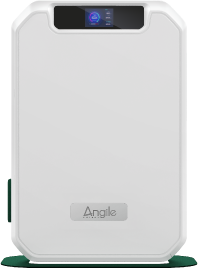
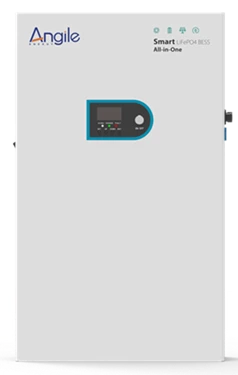
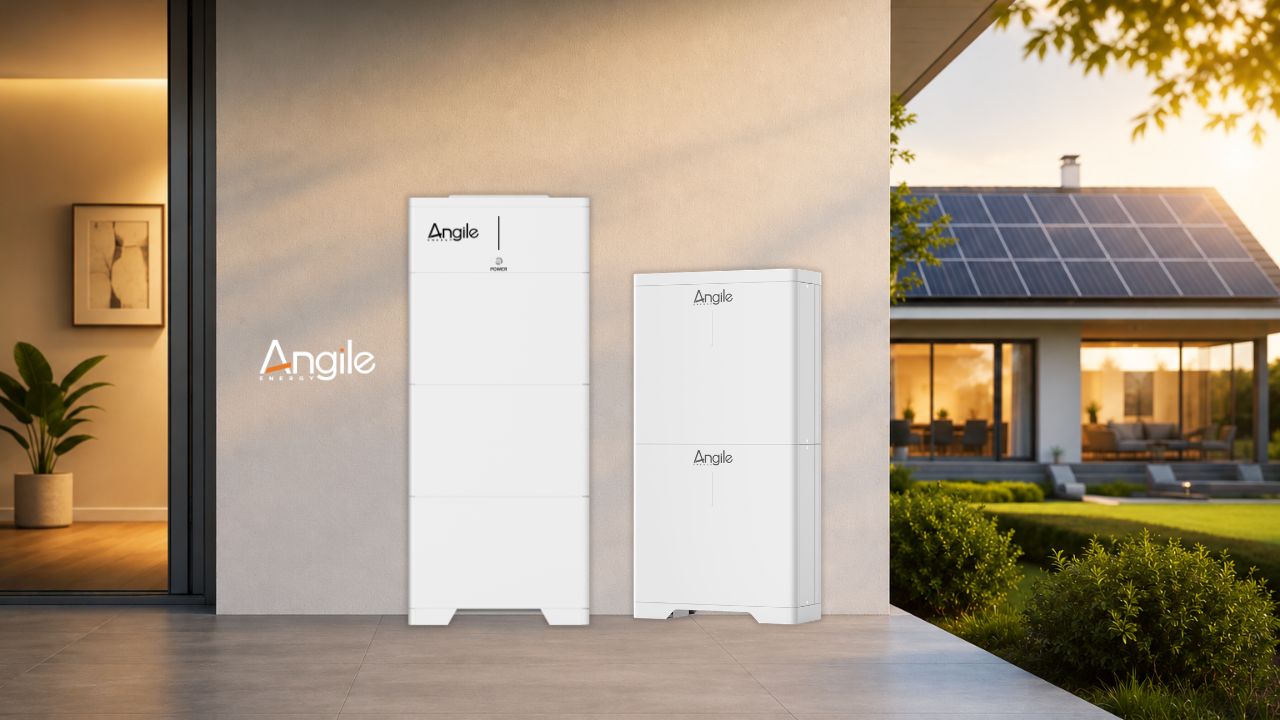
The capacity shown on a battery specification sheet is normally its nominal capacity. It represents the total amount of energy the battery cells can store under defined test conditions. For example, Angile Energy offers a 5.12 kWh battery pack as part of its residential energy storage solutions.
However, a battery system does not always use every watt-hour stored inside the cells. Some energy needs to remain available for safe operation and battery management. This is why nominal capacity should not be treated as the exact amount of electricity that can always be delivered to household appliances.
Lithium batteries are normally not designed to operate continuously from 100% full to completely empty.
The battery management system, or BMS, monitors important conditions such as voltage, temperature, and state of charge. It can limit charging and discharging when necessary to protect the battery. This creates a small usable range within the total cell capacity.
Keeping some energy in reserve can also help reduce stress on the battery cells and support longer service life.
Another reason is conversion efficiency.
Energy does not move directly from the battery cells to your appliances. In a home energy storage system, electricity may pass through the battery management system, inverter, cables, and other components.
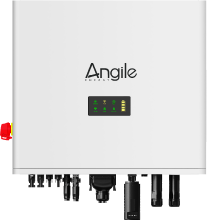
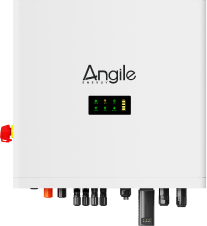
For example, stored DC electricity must normally be converted into AC electricity before it can power standard household loads. Each conversion creates a small amount of energy loss. Angile Energy's hybrid inverter is designed to convert DC power from batteries or solar panels into AC power for the home, while also converting AC grid power back into DC for battery charging.
So even when the battery itself has a certain capacity, the energy finally delivered to household appliances can be lower.
Battery capacity can also change with operating conditions.
Temperature is particularly important. Very high or low temperatures can affect battery performance, and the system may adjust charging or discharging to protect the cells.
This means the amount of energy available in real use can vary depending on the environment, battery condition, and operating conditions.
A new battery and a battery that has been operating for several years will not necessarily have exactly the same capacity.
Rechargeable batteries gradually lose capacity as they go through charging and discharging cycles. This is normal aging.
A quality battery system uses a BMS to monitor the battery and manage its operation. Angile Energy's residential storage solutions include intelligent BMS technology as part of the system design. Good battery management helps the system operate safely and consistently as the battery ages.
When comparing home batteries, it is better to look beyond the headline capacity.
Check whether the manufacturer specifies nominal capacity or usable capacity, as well as the battery's recommended depth of discharge, efficiency, warranty, and expected operating conditions.
For example, Angile Energy provides stackable high-voltage and low-voltage residential battery packs, allowing homeowners to select and expand storage according to their energy needs.
A battery does not need to deliver exactly the advertised capacity to be working correctly. The number on the specification sheet generally describes nominal storage capacity, while real-world usable energy is affected by safety reserves, conversion losses, temperature, battery age, and operating conditions.
When choosing a home energy storage system, focus on usable capacity and overall system performance, rather than looking at the kWh number alone. This gives you a more realistic idea of how much energy the battery can actually provide to your home.