
Are you checking your recent electricity bill and wondering why it has increased so much? During the summer, hotter temperatures mean more households rely on air conditioning, fans, and other cooling devices. As energy consumption continues to grow, higher electricity costs are becoming a clear challenge for many families.
At the same time, more homeowners are looking for ways to reduce their dependence on the grid and make better use of their solar energy. However, choosing the right battery storage system is not simply about buying the biggest battery available. Homes with high energy needs require a balanced solution that includes the right storage capacity, sufficient inverter power, flexible expansion options, and intelligent energy management. A well-designed system helps homeowners increase energy independence, lower electricity costs, and prepare their homes for future energy needs.
A small battery may work well for a home with basic electricity needs, but larger households often use more energy due to electric heating, heat pumps, EV charging, home offices, and modern appliances.
For these homes, a battery storage system needs to handle two important factors:
For example, a household may have enough stored energy for the evening, but if the inverter cannot handle the power demand from cooking appliances, heating systems, or EV charging, the home may still need electricity from the grid.
Therefore, the best battery storage systems combine sufficient capacity with suitable inverter output.
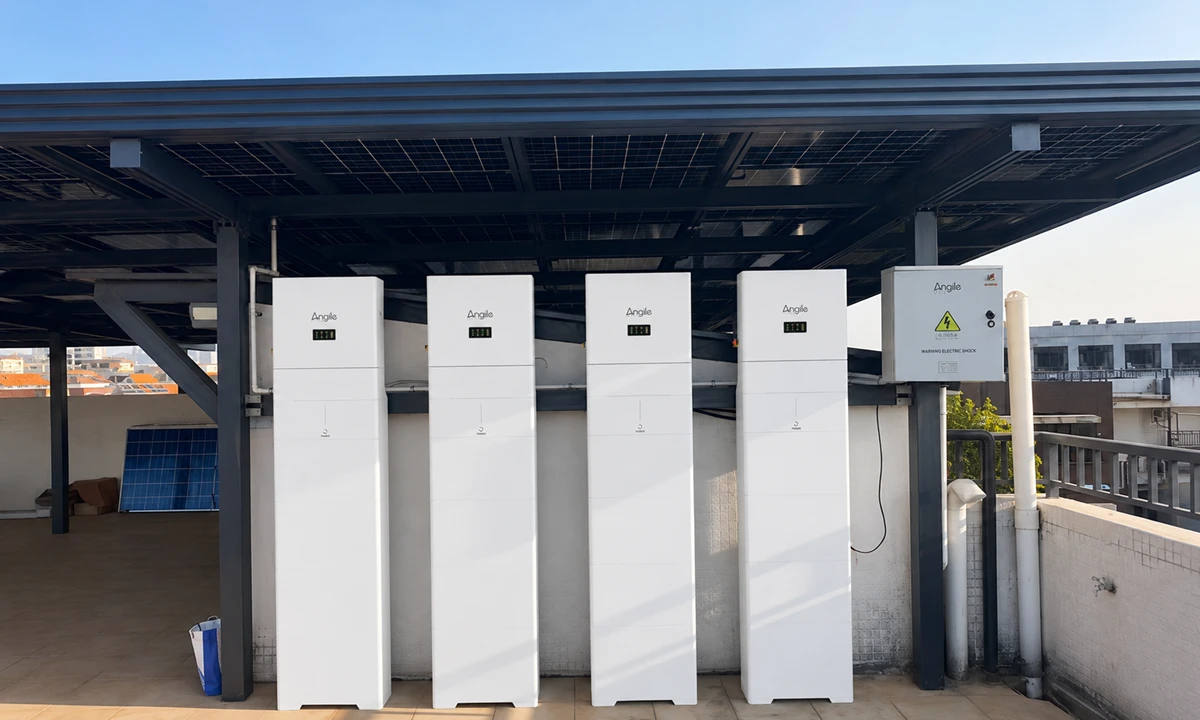
When choosing a residential energy storage solution, homeowners should consider several important features.
Energy needs can change over time. A family may add an electric vehicle, install a heat pump, or increase solar panel capacity in the future.
A modular battery storage system allows homeowners to add more battery modules when needed instead of replacing the whole system.
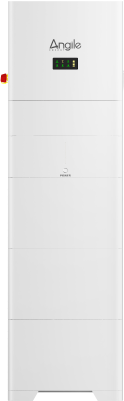
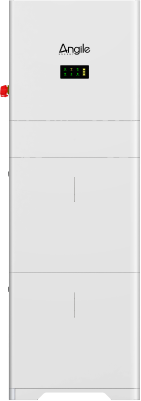
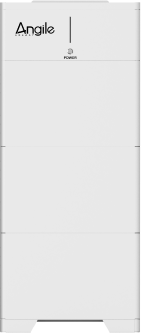
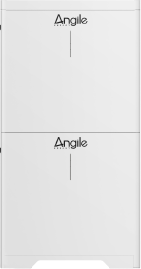
Angile Energy’s ePowerCUBE storage system is designed with scalability in mind. It has 4 to 12 kW inverters with a 5.12 kWh battery pack and supports multiple battery modules for larger energy requirements.
The inverter is the central part of a solar battery system. It controls the energy flow between solar panels, batteries, the grid, and household appliances.
A modern hybrid inverter can:
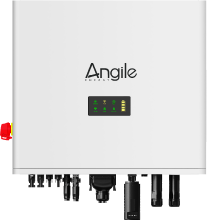
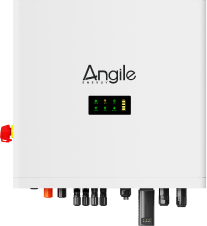
Angile Energy hybrid inverters support both single-phase and three-phase residential applications, with models from 4 kW to 12 kW. They also include features such as remote firmware upgrades, reverse power flow protection, 150% PV oversizing support, and a 5-year warranty.
Homeowners usually choose between high-voltage and low-voltage battery systems.
High-voltage battery systems
High-voltage batteries are often used for larger homes because they can achieve higher efficiency and work well with powerful hybrid inverters.
Advantages include:
Low-voltage battery systems
Low-voltage batteries are often suitable for smaller residential applications.
Advantages include:
The right choice depends on the home's electricity consumption, solar system size, and future energy plans.
There is no single battery size that fits every household. The correct capacity depends on daily electricity consumption and energy goals.
Before selecting a battery storage system, homeowners should check:
A modular system provides more flexibility because the storage capacity can grow together with household needs.
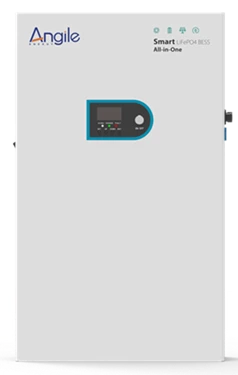
Many homeowners prefer all-in-one energy storage systems because they simplify installation and improve system compatibility.
An all-in-one solution combines:
This reduces installation complexity and makes system monitoring easier.
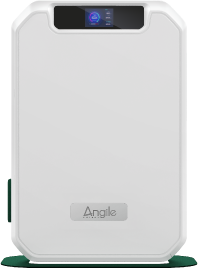
Angile Energy provides integrated residential energy storage systems combining hybrid inverters, stackable battery packs, intelligent BMS, and smart energy monitoring. The solutions are designed for easier installation, space saving, and long-term energy management.
For homes with high energy needs, the best battery storage system is not simply the one with the largest capacity. It should match the household’s electricity usage, solar generation, and future plans.
A good residential energy storage system should provide:
With scalable battery storage systems and integrated hybrid inverter solutions, homeowners can increase solar self-consumption, reduce grid dependence, and prepare their homes for future energy demands.