

Table of Contents (Click to expand)
- 1. Why Well Pumps Need Special Backup Planning
- 2. How Much Battery Capacity Does a Well Pump Need?
- 3. Inverter Power Is Just as Important
- 4. Why Solar + Battery Is a Stronger Backup Solution
- 5. A Scalable Approach for Rural Properties
- 6. What Should You Check Before Installation?
- 7. Battery Backup for Well Pumps: A Practical Energy Solution
For a rural home, farm, or countryside property, a power outage can mean more than losing lights or internet. If the property depends on a private well, a grid failure can also stop the water supply.
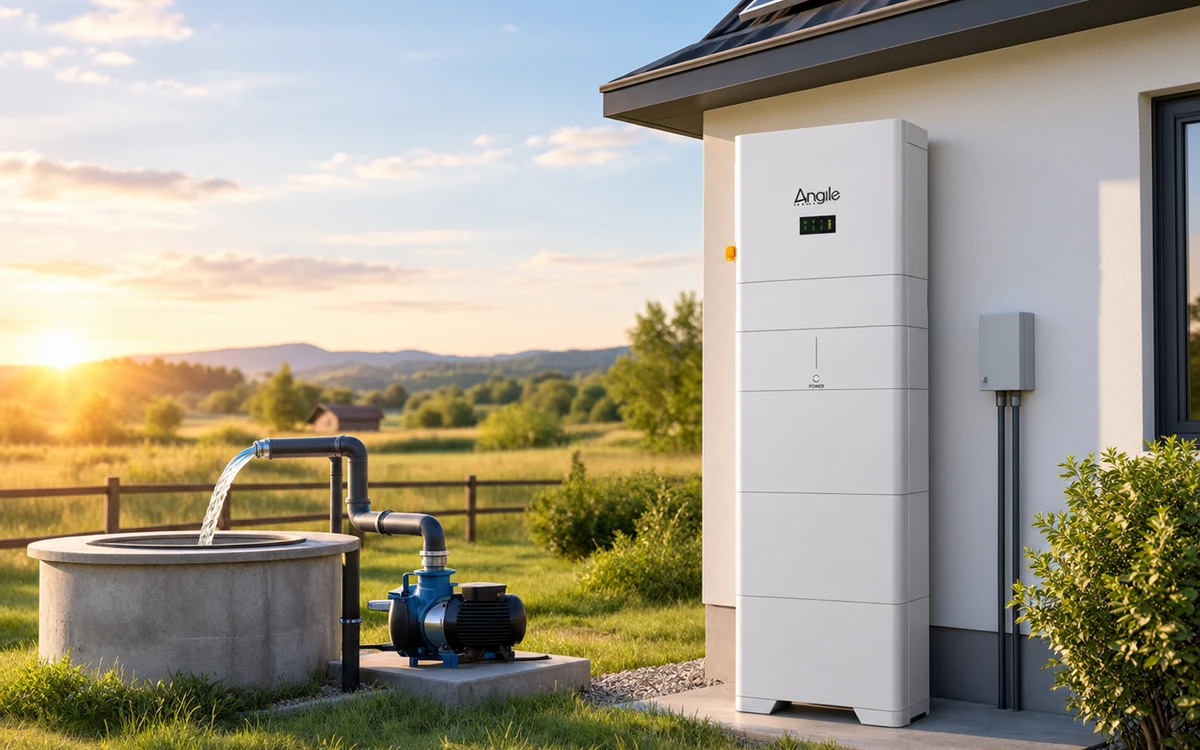
This is why battery backup for well pumps is becoming an important part of residential energy storage. A properly designed solar and battery system can keep the well pump operating while also supporting other essential household loads.
However, a well pump is not the same as a refrigerator or lighting circuit. Its motor can require a short burst of high power when starting. The battery and inverter therefore need to be sized for both energy capacity and power output.
Why Well Pumps Need Special Backup Planning
The first step is to understand the pump itself.
Before choosing a battery system, check the pump's:
- Rated power and running current.
- Voltage and phase.
- Motor type.
- Starting or surge requirement.
- Expected operating time during an outage.
In Europe, residential properties may use 230V single-phase or 400V three-phase electrical systems. Larger agricultural properties can also have higher-power pumps for irrigation, livestock water, or other applications.
The inverter must be compatible with the pump's electrical requirements. A battery with plenty of stored energy will not solve the problem if the inverter cannot start the motor.
How Much Battery Capacity Does a Well Pump Need?
Battery capacity determines how long the system can operate.
A simple first calculation is:
For example, a 1 kW pump running for a total of two hours would consume approximately 2 kWh. In practice, additional capacity is needed because of inverter losses, battery reserve, and other essential household loads.
The pump also usually operates intermittently rather than continuously. A pressure tank can reduce the number of pump cycles, so actual daily operating time is often more important than the pump's maximum rated power.
For a rural home, the battery should therefore be sized for the well pump plus the other essential loads, such as refrigeration, lighting, communications, security systems, and selected appliances.
Inverter Power Is Just as Important
Battery capacity is measured in kWh, while inverter output is measured in kW. They solve different problems.
A larger battery can provide more runtime, but the inverter must still provide enough power when the pump starts.
This is especially important for motor-driven equipment. If the inverter's surge capability is too low, it may shut down when the pump starts even though the pump's normal running power appears to be within the inverter's rating.
For European homes, choosing between a single-phase and three-phase hybrid inverter should also be based on the property's existing electrical system and the pump's requirements.
Why Solar + Battery Is a Stronger Backup Solution
A battery can provide backup power, but its stored energy is limited. Solar panels add another advantage: they can recharge the battery during daylight.
This is particularly useful during longer outages.
For example, a rural household could prioritize the well pump during the day, use solar energy directly where possible, and send surplus solar power to the battery. The stored energy can then support essential loads in the evening.
This creates a more flexible system than relying on battery capacity alone.
A Scalable Approach for Rural Properties
Energy needs can change over time. A rural property may later add an electric vehicle, heat pump, workshop equipment, irrigation equipment, or additional appliances.
A modular battery system makes it easier to increase storage when requirements grow.
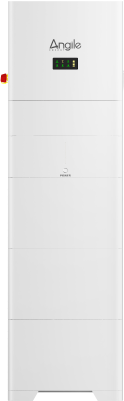
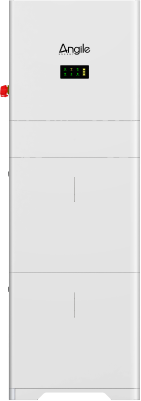
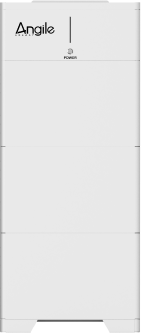
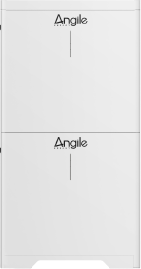
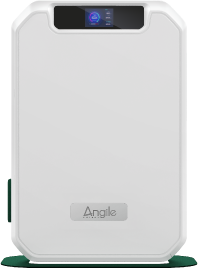
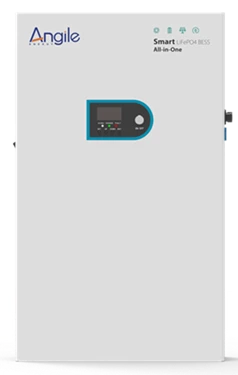
Angile Energy's residential storage solutions combine hybrid inverters with stackable battery packs, allowing the system to be designed around different household energy requirements. Its ePowerCUB storage system supports 4–12 kW inverter configurations and 5.12 kWh battery modules, with up to 30 kWh of battery capacity supported by a single PCS.
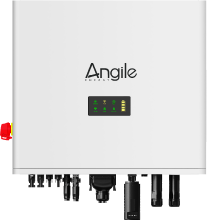
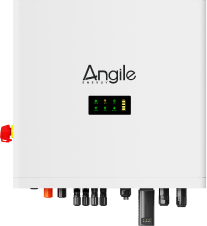
Angile also offers single-phase hybrid inverters from 4 kW to 6 kW and three-phase models from 8 kW to 12 kW, with 150% off-grid overload capability and up to 150% PV oversizing.
What Should You Check Before Installation?
For a reliable battery backup for well pumps, collect the following information before selecting the system:
- Pump rated power and voltage.
- Single-phase or three-phase connection.
- Starting surge requirement.
- Average daily pump operating time.
- Other essential loads.
- Desired backup duration.
- Solar PV capacity.
- Required battery capacity.
- Inverter continuous and peak output.
A qualified installer should then check the complete electrical design and ensure the inverter, battery, protection devices, wiring, and pump are compatible.
Battery Backup for Well Pumps: A Practical Energy Solution
For European rural homes and properties with private wells, backup power is closely connected to water security. A well pump may only operate for a limited amount of time each day, but it is still one of the most important electrical loads on the property.
The best solution is not simply to install the biggest battery available. It is to match pump power, inverter output, battery capacity, solar generation, and essential household loads.
With a scalable solar-plus-storage system, homeowners can keep critical equipment running during outages while also using stored solar energy for everyday energy management.
For properties that depend on a private well, a properly designed battery backup for well pumps can turn a basic home battery into a much more useful energy resilience system.