
It is completely normal to feel unsure about how much battery storage your home actually needs. Pick a system that is too small, and you run out of solar power before the night is over; pick one that is too large, and you pay for capacity you never use.
At Angile Energy, we help homeowners find that sweet spot. Here is a simple guide to choosing between a 5 kWh, 10 kWh, or 12 kWh battery system for your home.
To understand how quickly your home will drain a battery, it helps to know how much power your everyday devices require. A smaller battery may cover essential evening use, while a larger system can support more appliances and higher energy demand.
The right battery size depends on your electricity consumption, solar generation, and future energy plans. The following overview shows which battery capacity may fit different household needs.
| Battery Size | Best For | Typical Home Profile |
|---|---|---|
| 5 kWh | Small households |
Low energy consumption, essential night usage LED Light Bulb (10 W), Basic Electronics (50 W), Television (150 W), Refrigerator (200 W) |
| 10 kWh | Average family homes |
Standard daily consumption, running normal appliances Includes 5 kWh essentials plus devices like a Washing Machine (500 W) |
| 12 kWh | High energy consumption |
Large homes, heat pumps, electric vehicles Includes heavy power consumers like Air Conditioning Unit (2000 W), Heat Pump (3000 W), or EV Charger (7000 W) |
A 5 kWh battery can already make a noticeable difference for households that mainly want to use their own solar energy after sunset. It is a practical choice for homeowners who want to reduce grid electricity use without installing a large storage system.
This option is often suitable for:
With a modular battery system, homeowners do not always need to install the largest capacity from the beginning. They can increase storage capacity as their energy needs grow.
A 10 kWh battery provides more flexibility by storing more daytime solar energy and making it available when the household needs it most. For many family homes with rooftop solar, this capacity offers a good balance between investment and energy savings.
It is a practical choice for:
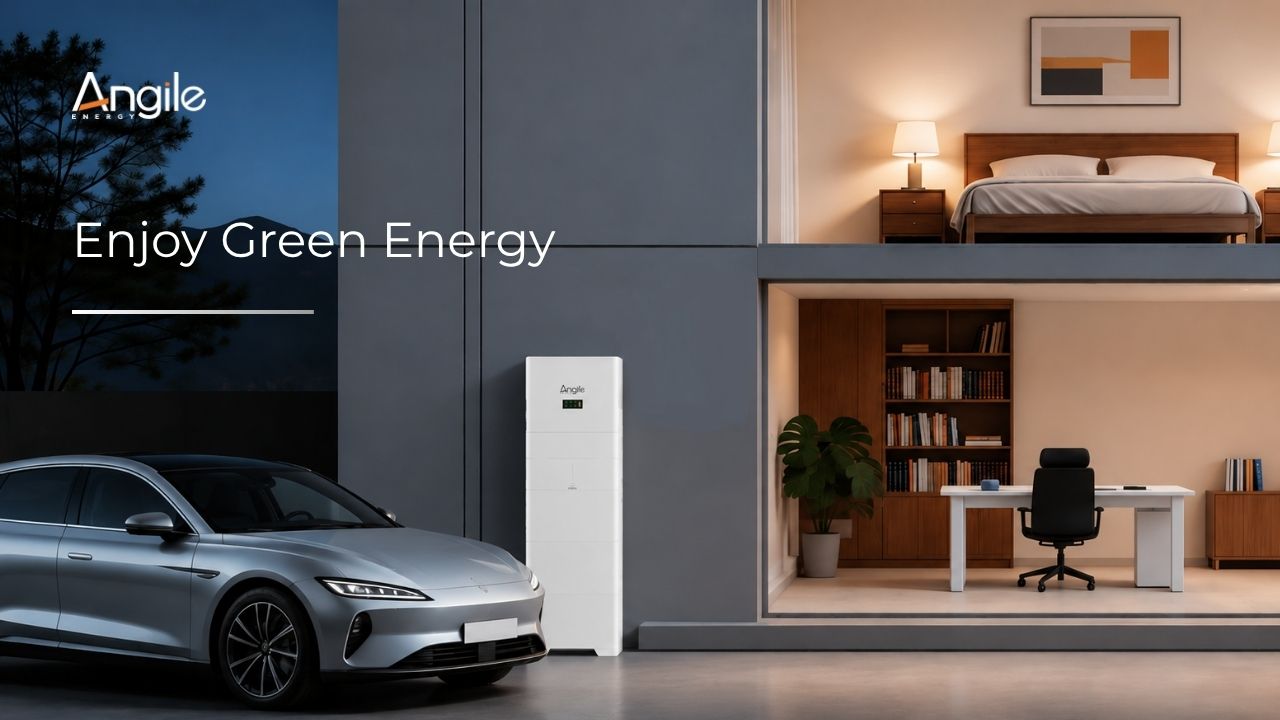
Some homes consume much more electricity because of modern appliances and electrification. Heat pumps, air conditioning systems, and electric vehicles can significantly increase daily energy demand.
A 12 kWh battery system helps these households store more solar energy and provides stronger backup support when electricity consumption is high.
It is especially suitable for:
For these applications, battery capacity should also be matched with the right inverter power to ensure the system can handle higher loads efficiently.
Start by checking your electricity bill and looking at your average daily or evening energy use. Consider which appliances you normally run after sunset, such as lighting, kitchen appliances, heating systems, or EV charging.
This helps you choose a battery size that stores enough solar energy without paying for unused capacity.
The inverter plays an important role in how your battery system works. Choose an inverter that matches your home's electrical system and power demand.
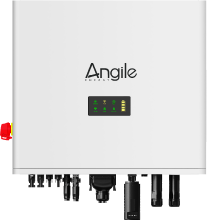
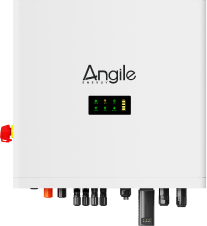
Smaller homes may work well with a single-phase hybrid inverter, while larger homes with higher electricity needs may benefit from a three-phase hybrid inverter for better energy distribution.
Angile Energy offers both single-phase and three-phase hybrid inverter solutions, from 4 kW to 12 kW, helping homeowners select the right setup for different energy requirements.
Your electricity consumption may change over time. You may add an electric vehicle, install a heat pump, or increase your solar capacity in the future.
A modular battery system gives you more flexibility by allowing additional battery modules to be added when your energy needs grow.
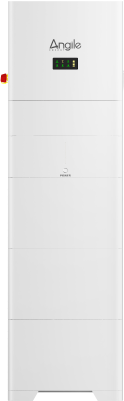
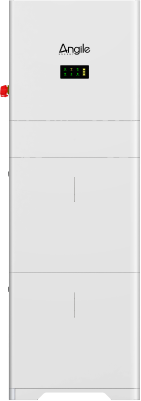
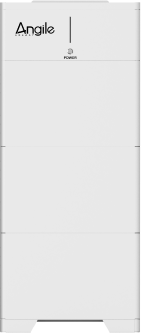
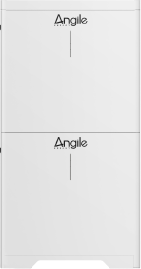
Angile Energy residential storage systems feature stackable battery designs, allowing homeowners to start with the right capacity today and expand later when needed.
A home battery system should provide safe and stable performance for many years. Choosing a reliable storage solution means looking beyond battery capacity and considering safety, protection, and long-term operation.
Angile Energy storage solutions include intelligent BMS control, IP65 protection, and a 10-year battery warranty to support reliable daily operation.
Choosing between a 5 kWh, 10 kWh, or 12 kWh battery system depends on your home's electricity usage, solar generation, and future energy plans.
A 5 kWh system may be enough for essential evening use, a 10 kWh battery is suitable for many family homes, and a 12 kWh system is better for households with higher energy demands such as heat pumps or EV charging.
By selecting the right battery size and matching it with the correct inverter, homeowners can maximize solar self-consumption, reduce grid dependence, and build a more flexible energy system for the future.