
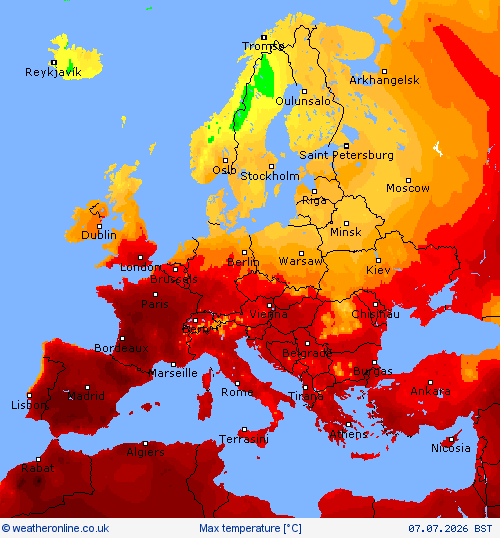
Europe's summers are becoming hotter. Some countries faced temperatures above 40°C and set a new record for any time of year. Many homes, especially older buildings, were designed to keep heat inside during winter rather than outside during summer. As a result, indoor temperatures are rising, and electricity use is increasing as more families rely on cooling systems.
For homeowners, staying comfortable is no longer just about installing an air conditioner. The bigger challenge is how to keep cooling costs under control while reducing dependence on the power grid.
This is why more European households are combining solar panels, battery energy storage systems, and smart energy management.
During hot afternoons and evenings, electricity demand rises quickly as people return home and turn on air conditioners, fans, and other appliances.
Unfortunately, this is also when electricity prices are often highest in countries with time-of-use tariffs. At the same time, power grids experience greater pressure because thousands of homes increase their electricity consumption together.
This creates two challenges:
Homeowners are therefore looking for ways to use more of their own renewable energy instead of purchasing expensive electricity from the grid.
Solar panels generate the most electricity when the sun is strongest, usually around midday.
However, many families are away from home during these hours. Their largest electricity demand often comes later in the evening, when solar production has already dropped.
Without battery storage, much of the daytime solar energy is exported to the grid, while electricity must be purchased back during the evening.
This limits the financial benefits of rooftop solar.
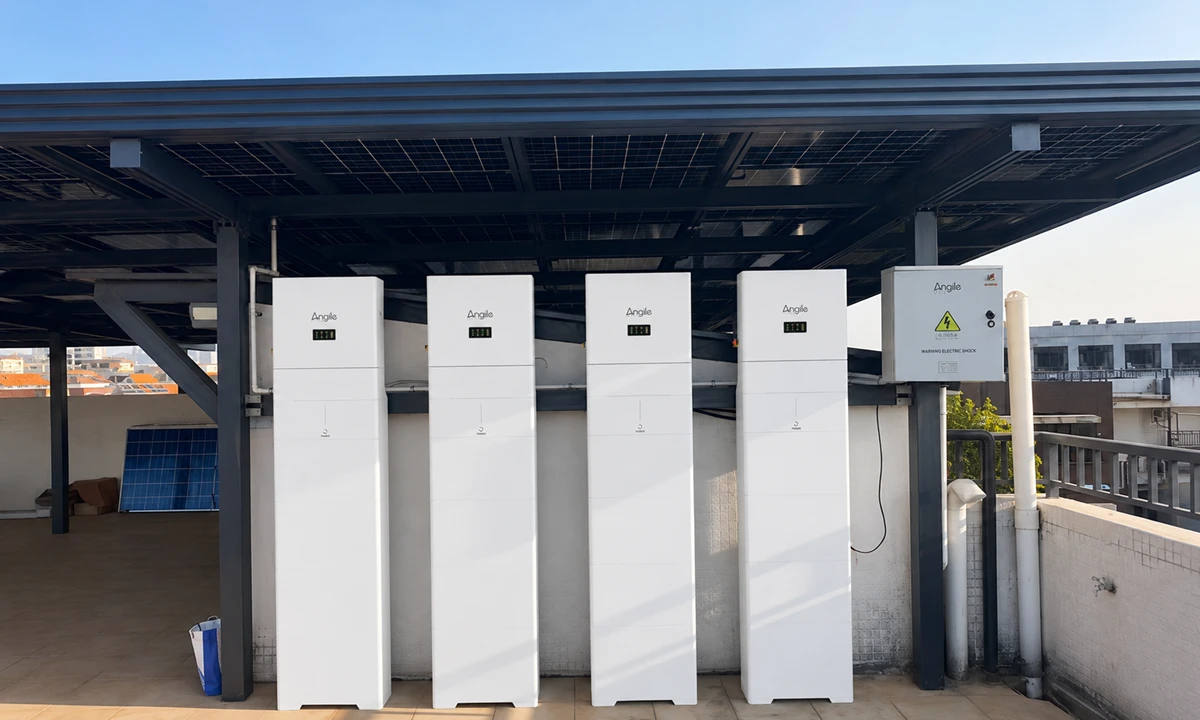
A residential battery stores excess solar energy produced during the day and makes it available when homeowners actually need it. Instead of exporting all surplus electricity, families can use stored energy to power:
By shifting solar energy from daytime to evening use, battery storage increases self-consumption and reduces reliance on the grid.
A battery alone is only part of the solution.
Modern residential energy systems use intelligent energy management to coordinate electricity generation, storage, and household consumption automatically. For example, the system can:
This helps homeowners improve energy efficiency without manually adjusting their electricity usage every day.
Heat pumps are becoming increasingly popular across Europe because they provide efficient heating in winter and cooling in summer.
Although heat pumps use electricity instead of fossil fuels, they become even more economical when powered by rooftop solar.
Adding battery storage allows homeowners to use stored solar electricity to operate the heat pump after sunset, reducing electricity purchases during peak-price periods.
Rather than viewing solar panels, batteries, and heat pumps as separate products, many homeowners now see them as one integrated home energy solution.
When selecting a residential battery system, homeowners should consider more than battery capacity.
Important factors include:
These features help ensure stable performance as household electricity demand grows over time.
As European homes face rising cooling demand and changing electricity prices, integrated energy storage solutions are becoming increasingly important.
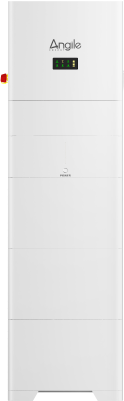
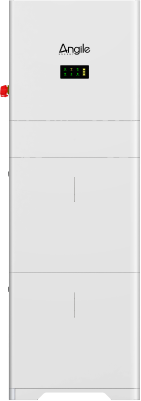
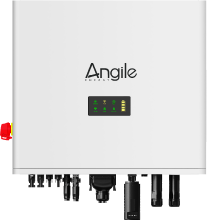
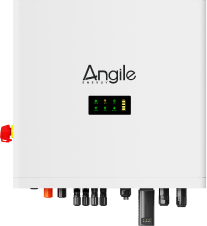
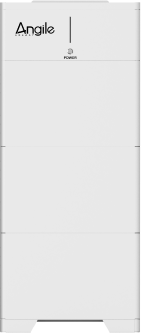
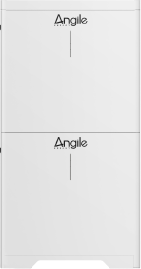
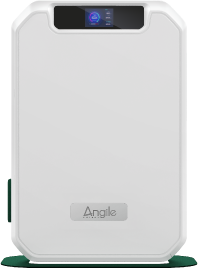
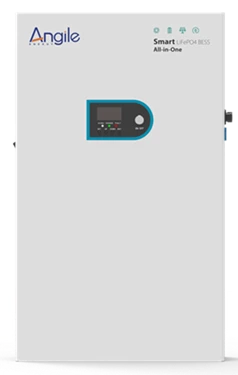
Angile Energy develops complete residential energy storage systems designed to improve solar self-consumption while simplifying installation and daily operation.
Its residential portfolio includes:
Built around self-developed PCS, EMS, and BMS (3S technology), Angile's systems help homeowners optimize energy generation, storage, and household consumption through one coordinated solution. European certifications, local warehouse support, and technical service further support installers and homeowners across key markets including Germany, Italy, the Netherlands, Poland, the UK, Ireland, and Eastern Europe.
Heatwaves are no longer rare events in Europe. As temperatures continue to rise, homeowners need energy systems that provide comfort while keeping electricity costs under control.
Solar panels remain the foundation of clean home energy, but pairing them with battery storage and intelligent energy management allows families to use more of the electricity they generate themselves.
For households planning new solar installations or upgrading existing systems, an integrated residential energy storage solution offers greater flexibility, improved energy independence, and better preparation for Europe's changing climate.