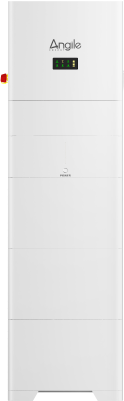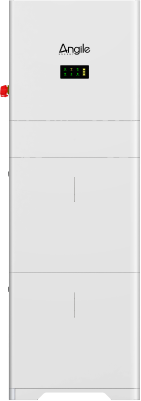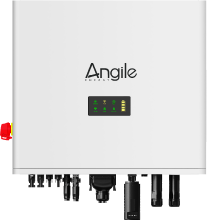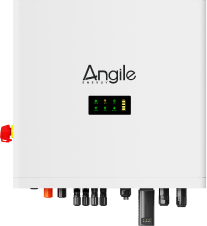

When homeowners consider a home inverter system, one common question is simple: Can it be safely installed indoors?
The answer is generally yes - but indoor safety depends on the complete system, not just the inverter itself. A home energy storage system usually includes an inverter, battery, battery management system (BMS), wiring, and protection devices. Each part needs to be correctly selected and installed.
For modern residential systems, safety is designed into the equipment. But good installation and the right location still matter.
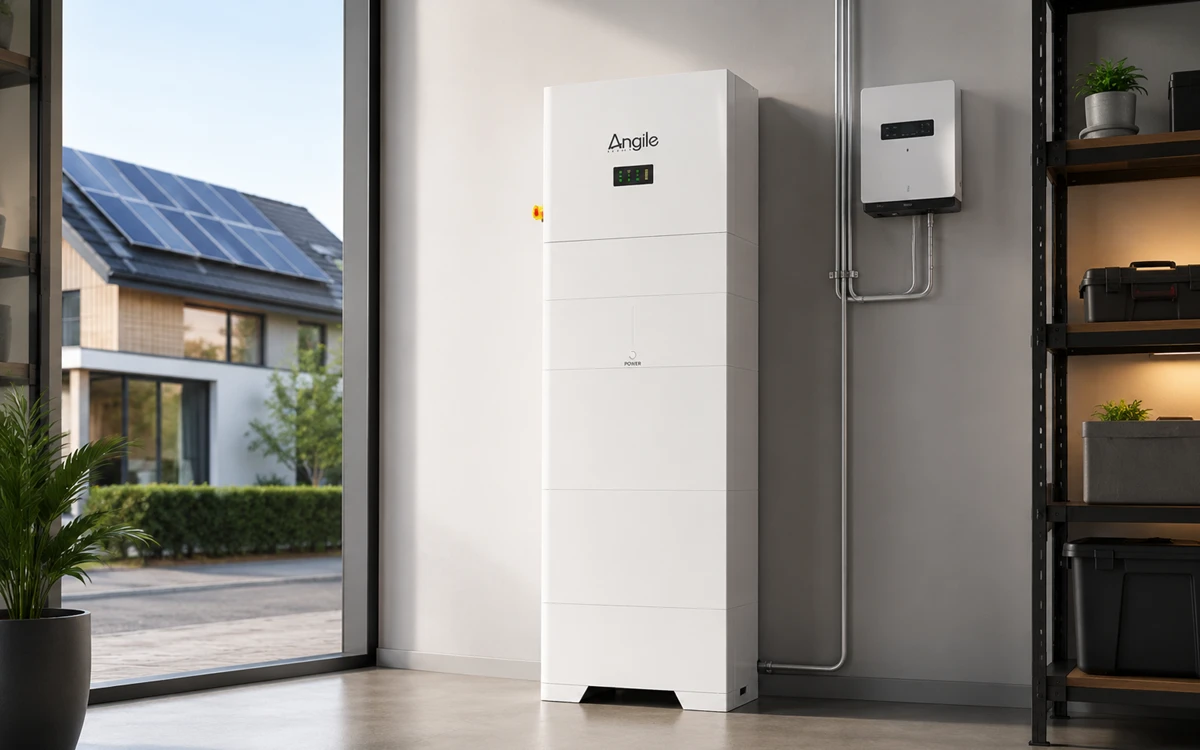
A home inverter converts electricity between DC and AC. During normal operation, it does not burn fuel or produce exhaust gases like a traditional generator.
This makes an inverter-based energy system quite different from an indoor combustion generator. However, the inverter is still electrical equipment and can produce heat while operating. It therefore needs enough space around it for heat to escape.
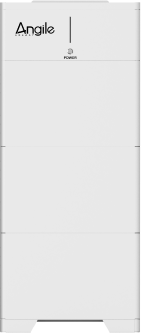
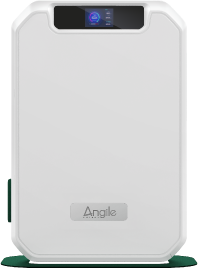
For example, Angile Energy hybrid inverters support reverse power flow protection, remote firmware upgrades, and load monitoring. The available models range from 4–6 kW for single-phase systems and 8–12 kW for three-phase systems.
For a complete home inverter system, the battery deserves at least as much attention as the inverter.
Modern residential systems commonly use lithium-based batteries. Unlike some older battery technologies, lithium-ion systems generally do not require room ventilation during normal operation. However, ventilation requirements can still depend on the battery technology, product listing, local codes, and installation conditions.
This is why homeowners should not assume that every battery can be installed in any indoor location.
A suitable battery should have protection against conditions such as over-temperature, over-current, and abnormal voltage. A BMS continuously monitors important battery parameters and helps keep the cells within their operating limits.
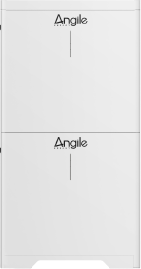
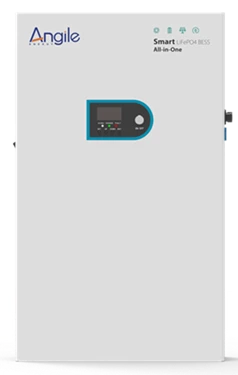
Angile Energy systems use intelligent BMS technology as part of their residential energy storage solutions.
“Indoor” does not mean “anywhere inside the house.”
A suitable location should be dry, clean, and away from direct heat sources. The equipment should not block doors, escape routes, or normal household access. It should also have enough clearance for cooling, inspection, and maintenance.
Avoid placing the system next to materials that could easily catch fire or in areas that are regularly exposed to water.
The manufacturer's installation instructions should always be followed. Electrical safety guidance also emphasizes proper enclosure, grounding, cable management, and protection against water intrusion.
This is one area where there is no single answer for every system.
Some battery technologies may require specific ventilation, while others do not. NFPA guidance notes that ventilation should be based on the energy storage technology and the manufacturer's requirements.
Therefore, homeowners should check the installation manual instead of simply adding a fan or assuming ventilation is unnecessary.
The room itself should also have normal household ventilation and should not be treated as a sealed technical space without professional assessment.
A compact and attractive inverter may look safe, but appearance is not enough.
For a residential system, look for appropriate product testing, safety certification, and grid-compliance certification for the target market. Angile Energy lists certifications and standards including TÜV, CE, IEC, EN 52109, EN 61000, EN 50549-1, VDE-AR-N 4105, CEI 0-21, G98, and G99 for its European markets.
These certifications help show that the equipment has been evaluated against relevant technical and safety requirements.
Even a well-designed inverter and battery can become unsafe if installed incorrectly.
Incorrect wiring, poor cable management, insufficient clearance, or unsuitable mounting can create unnecessary risks. Professional installation also helps ensure that the system follows local electrical and building requirements.
Angile Energy works with local installation partners in several European markets, including the Netherlands, Great Britain, Northern Ireland, Italy, and Romania.
So, is a home inverter system safe for indoor use?
Yes, a properly designed and certified residential inverter system can be suitable for indoor installation. But safety depends on the whole system, installation location, battery technology, ventilation requirements, certifications, and professional installation.
The best approach is not simply to ask whether an inverter can be used indoors. Instead, ask whether the complete energy storage system is designed, certified, and installed for that specific indoor environment. That is a much better way to evaluate home energy safety.