
Have you recently checked your electricity bill and wondered why it has increased so much?
For many homeowners, rising energy costs have become a regular concern. Hot summers mean longer use of air conditioning and cooling devices. More household appliances, smart devices, and electric vehicles also increase daily electricity consumption.
However, reducing your electric bill does not always mean using less electricity or making your home less comfortable. The key is to understand where your energy is used, when you use it, and how you manage it.
From improving home efficiency to using solar energy and battery storage, there are several practical ways to lower electricity costs and gain better control over your household energy.
Before making changes, the first step is knowing where your electricity goes.
Many homeowners only look at the total amount on their monthly bill, but the real savings come from identifying the biggest energy users.
Common household electricity consumers include:
A smart energy monitoring system can help you track real-time electricity usage and understand your daily consumption patterns.
For example, you may discover that your home uses the most electricity in the evening when solar production has already stopped. This information helps you choose the right solution to reduce unnecessary costs.
One of the simplest ways to reduce an electric bill is to use less energy for the same level of comfort.
Older appliances usually consume more electricity than modern energy-efficient models.
When replacing appliances, look for high-efficiency products with better energy ratings. Although the initial purchase price may be higher, lower electricity consumption can save money over the product’s lifetime.
Heating and cooling often represent a large part of household energy use.
Simple improvements can make a difference:
A well-insulated home requires less energy to maintain a comfortable temperature.
For homeowners with suitable roof space, solar panels can significantly reduce electricity costs.
A traditional solar system allows you to use electricity generated during the day instead of buying all power from the grid.
However, there is one challenge: solar production and household electricity demand do not always happen at the same time.
Solar panels usually generate the most electricity during the daytime, while many families use more energy in the evening after work and school.
Without storage, excess solar energy may be sent back to the grid instead of being used by your home.
A home battery system helps homeowners store unused solar energy and use it when electricity demand is higher.
This means you can:
For many households, battery storage is becoming an important part of energy management.
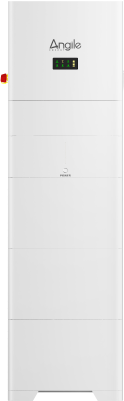
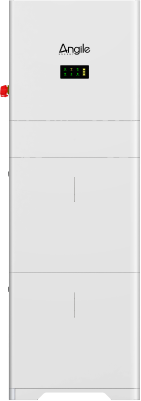
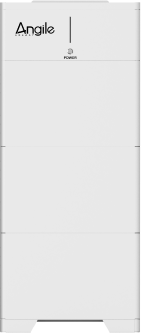
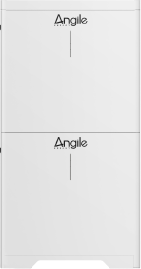
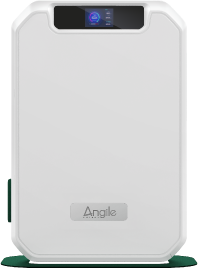
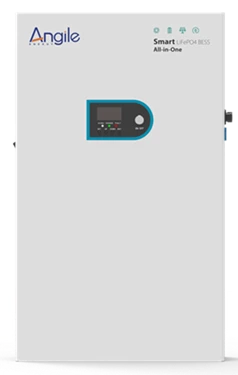
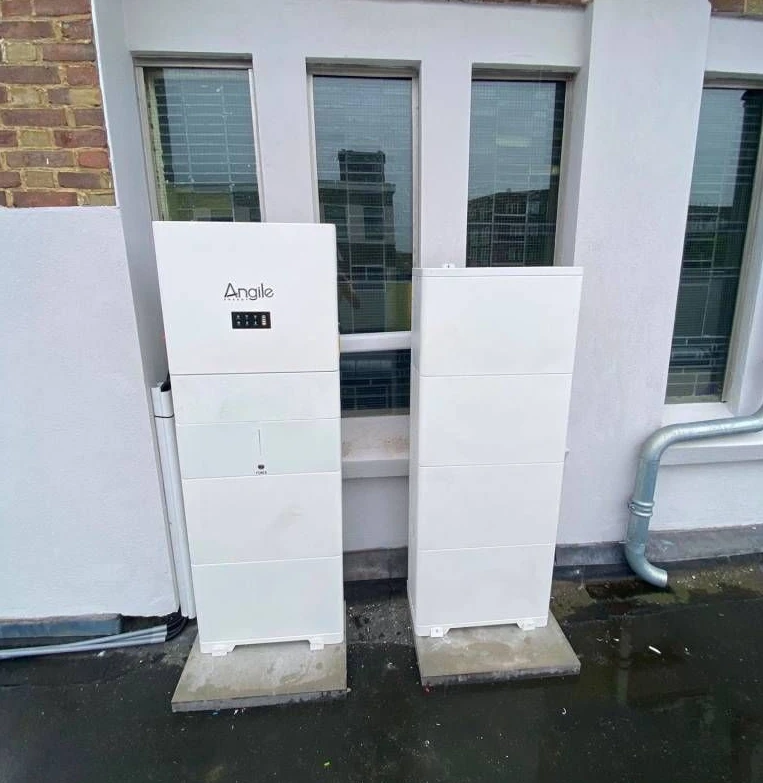
Modern all-in-one residential energy storage systems combine a hybrid inverter, battery modules, and energy management functions into one solution. For example, Angile Energy’s all-in-one ESS combines a hybrid inverter with scalable battery storage, allowing homeowners to expand capacity based on their energy needs.
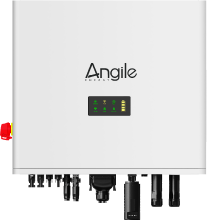
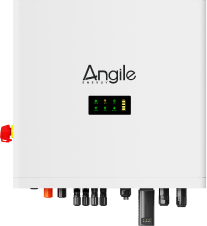
The system supports different household requirements with inverter options from single-phase to three-phase models.
Electricity prices are not always the same throughout the day.
In many European countries, time-of-use electricity tariffs offer different prices depending on demand periods.
Electricity is often more expensive during peak hours when many people are using power at the same time.
Homeowners can reduce electricity costs by:
With smart energy management, your home battery can automatically charge and discharge based on electricity prices and household consumption.
Many electronic devices continue using electricity even when they are not actively being used.
This is known as standby power consumption.
Common examples include:
Although each device may only use a small amount of electricity, the total consumption across an entire home can become noticeable over time.
Simple solutions include:
If you decide to install a battery system, choosing the correct size is important.
A larger battery does not always mean better savings. The right capacity depends on:
For example:
A modular battery system allows homeowners to start with a suitable capacity and expand later if energy needs increase.
Angile Energy provides scalable residential battery solutions, including stackable high-voltage and low-voltage battery packs designed for different home energy requirements.
Reducing electricity bills is not only about producing more energy. It is also about using energy smarter.
A smart energy management system can help homeowners:
Angile Energy solutions combine hybrid inverters, battery systems, intelligent BMS, and smart energy monitoring to help optimize residential energy efficiency.
With better visibility and control, homeowners can make smarter decisions about their daily energy use.
The amount you can save depends on your location, electricity prices, household consumption, and installed solar or battery capacity.
For many homeowners, the biggest savings come from combining several approaches:
Instead of focusing on one single solution, a complete home energy strategy can create long-term savings.
So, how can you reduce your electric bill?
Start with understanding your energy habits, improving efficiency, and reducing unnecessary consumption. If your home has solar panels or high electricity usage, adding a battery storage system can help you use more of your own energy and rely less on the grid.
The future of home energy is not just about using less power. It is about using electricity at the right time, storing energy when it is available, and managing your home more efficiently.
With smart energy solutions, homeowners can lower electricity costs while building a more independent and sustainable energy future.