
Data is growing faster than ever. Cloud services, artificial intelligence, smart devices, and digital business systems are creating more information every day. While large data centers receive much attention, many businesses still depend on local server rooms to store data, run applications, and support daily operations.
Small and medium-sized businesses, offices, schools, factories, and retail locations often operate their own server rooms. These spaces may not have hundreds of servers, but they still require stable power 24/7.
A short power interruption can cause system downtime, data loss, equipment damage, or business disruption. As energy costs continue to rise in Europe, companies are looking for smarter ways to protect their server infrastructure while controlling electricity expenses.
This is where smart energy storage systems become an important solution.
Many local server rooms use traditional UPS (Uninterruptible Power Supply) systems to protect equipment during power failures. UPS systems are useful because they provide immediate backup power, but they are usually designed only for short-term protection.
For example, a UPS can keep servers running for several minutes while the system shuts down safely or a generator starts. However, it does not always help businesses:
Modern server rooms need more than emergency backup. They need an intelligent energy solution that can manage power before, during, and after an outage.
A smart energy storage system combines batteries, an inverter, and an energy management system (EMS) to create a more flexible energy platform.
Smart energy storage can help local server rooms in several ways.
Server equipment needs stable electricity. Even a short outage can affect network systems, databases, and connected devices.
A battery storage system can automatically provide backup power when the grid fails. This helps keep critical equipment running and gives businesses more time to complete a safe shutdown or restore grid power.
Compared with traditional backup solutions, modern battery systems can provide longer backup times depending on battery capacity.
Electricity prices in Europe are becoming more flexible, with many markets introducing time-of-use tariffs. Energy prices can be higher during peak demand periods.
Smart storage allows businesses to:
This energy management approach can lower operating costs while improving energy efficiency.
Many commercial buildings are installing rooftop solar systems. However, solar production is usually highest during daytime hours, while businesses may need electricity throughout the day and evening.
Without storage, extra solar power may be sent back to the grid. With a battery system, businesses can store unused solar energy and use it when the server room and other equipment need power.
This improves self-consumption and makes renewable energy more practical.
A modern energy storage system is more than just a battery. The key advantage is intelligent energy management.
An advanced EMS can monitor:
This allows the system to automatically make better energy decisions. For local server rooms, this means businesses can have more control over their power supply without manually managing every process.
When selecting an energy storage solution, businesses should consider several factors:
The battery size should match the energy demand of the server room. Smaller offices may only need limited storage capacity, while larger commercial applications may require expandable battery systems.
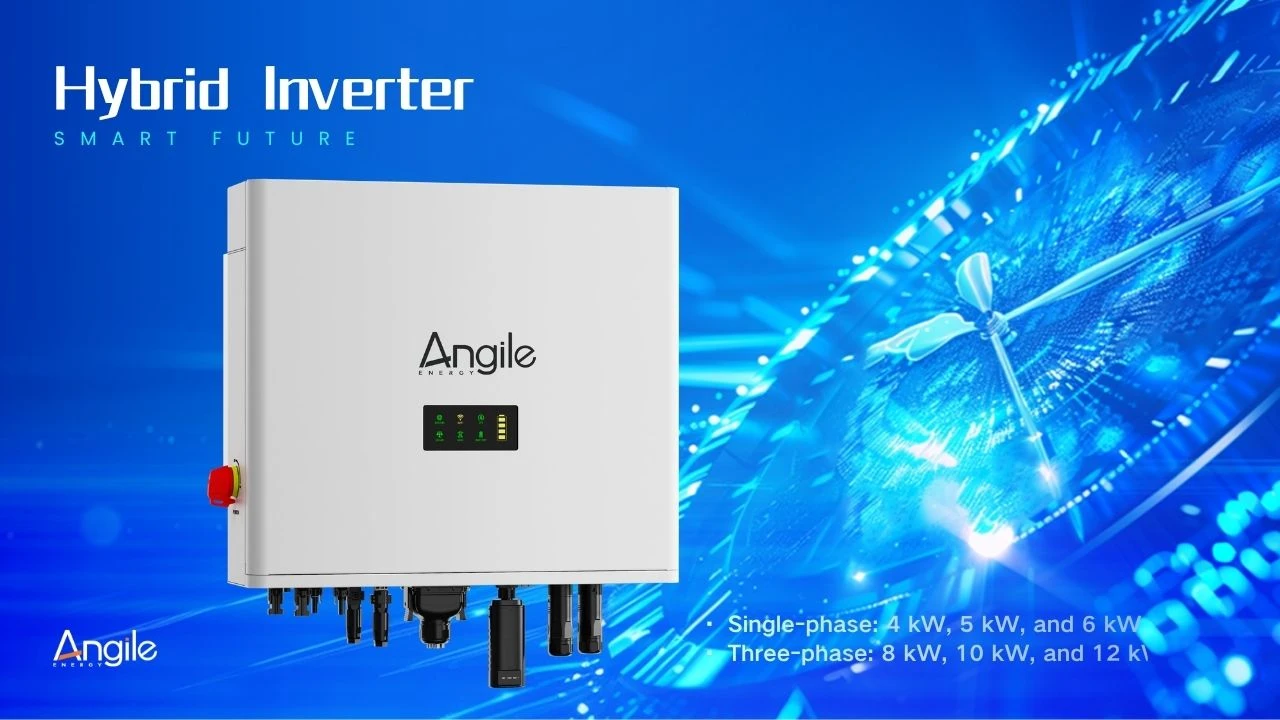
The inverter determines how much power the system can deliver at one time. Server equipment often requires stable and reliable power output, so choosing the correct inverter size is important.
Business energy needs can change over time. A modular energy storage system allows companies to add more battery capacity in the future instead of replacing the entire system.
For applications that support important business operations, battery safety, intelligent monitoring, and remote management are important features.
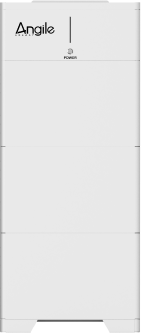
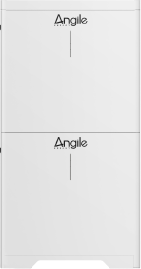
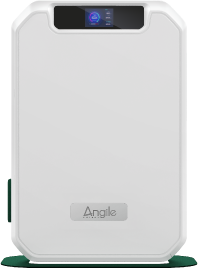
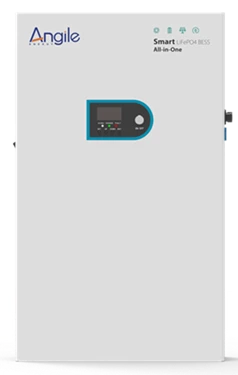
For businesses looking to improve energy reliability and efficiency, Angile Energy provides integrated energy storage solutions that combine hybrid inverters, battery packs, and intelligent energy management.
Angile Energy systems use integrated PCS, BMS, and EMS technologies to help optimize energy usage and provide reliable power management.
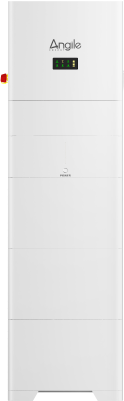
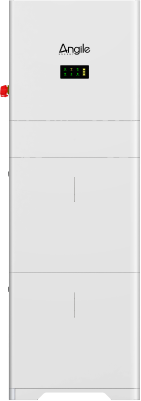
The Angile Energy ePowerCUB Storage System combines an all-in-one ESS with a 4–12 kW inverter and 5.12 kWh battery pack. The system supports modular expansion, with multiple battery modules connected for higher storage capacity when needed.
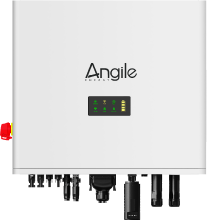
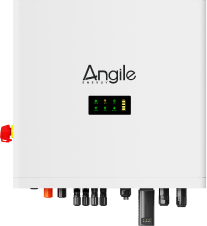
Its hybrid inverter range includes single-phase models from 4 kW to 6 kW and three-phase models from 8 kW to 12 kW, with features such as remote firmware upgrades, reverse power flow protection, and a 5-year warranty.
For companies with growing energy needs, scalable storage can provide a practical way to improve backup power, reduce electricity costs, and prepare for future energy challenges.
As digital services continue to grow, local server rooms will remain an important part of many businesses. Reliable power is no longer only about keeping equipment running. It is about protecting data, maintaining operations, and improving energy efficiency.
Smart energy storage gives businesses a more complete solution by combining backup power, renewable energy use, and intelligent energy management.
For companies that want to build more reliable and sustainable server infrastructure, investing in smart energy storage can be an important step toward a more resilient energy future.