
Solar panels often last 25 years or more, but the inverter usually reaches the end of its service life earlier. Because the inverter converts electricity and manages power flow every day, it experiences more wear than the panels themselves. For most homeowners, understanding inverter lifespan helps with long-term planning and system maintenance. Typical residential string and hybrid inverters last around 5-10 years, although proper installation and maintenance can help extend their operating life.
If you are choosing a hybrid solar system, the quality of the inverter is especially important because it manages solar generation, battery charging, household loads, and grid interaction.
A hybrid inverter combines several functions into one device:
Since it performs more tasks than a standard string inverter, a hybrid inverter works continuously throughout the day. Under normal residential conditions, most quality hybrid inverters have an expected service life of 5 to 10 years.
The actual lifespan depends on several factors, including:
Heat is one of the biggest factors affecting inverter life. Electronic components naturally age faster when exposed to high temperatures for long periods. Installing an inverter in direct sunlight or in a poorly ventilated location can reduce its lifespan. A shaded wall, garage, or other well-ventilated location is usually a better choice.
Even a high-quality inverter can experience problems if installed incorrectly. Professional installation helps ensure:
These factors improve both safety and long-term reliability.
Frequent voltage fluctuations or unstable grid conditions increase electrical stress on the inverter. Hybrid inverters designed to meet local grid standards are generally better equipped to handle these conditions while maintaining stable operation.
Hybrid inverters require very little maintenance, but occasional inspection helps. Good maintenance includes:
Routine inspections can identify small issues before they become larger problems.
Even well-maintained inverters eventually reach the end of their service life. Common warning signs include:
If your inverter is more than 10 years old and begins showing several of these symptoms, it may be time for a professional inspection.
A few simple practices can help maximize inverter lifespan.
Choose a location that is:
Hybrid inverters use passive cooling or internal fans to remove heat. Avoid blocking ventilation openings or placing objects against the inverter enclosure.
Many modern hybrid inverters include online monitoring that allows homeowners to:
Early detection often reduces repair costs.
Having your installer inspect the system every few years helps identify:
Preventive maintenance can improve long-term reliability.
Not all hybrid inverters are built the same. When comparing products, consider more than just rated power. Look for features such as:
For homeowners planning to add battery storage or expand their solar system later, choosing a scalable hybrid inverter can also reduce future upgrade costs.
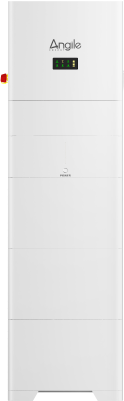
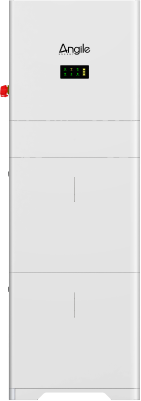
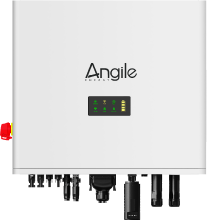
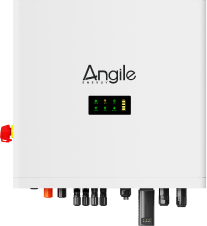
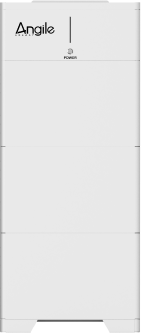
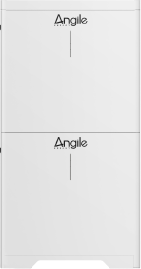
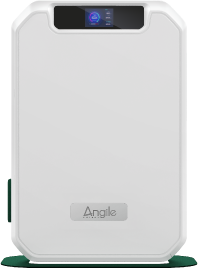
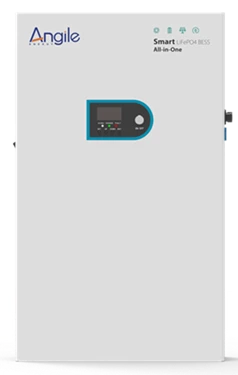
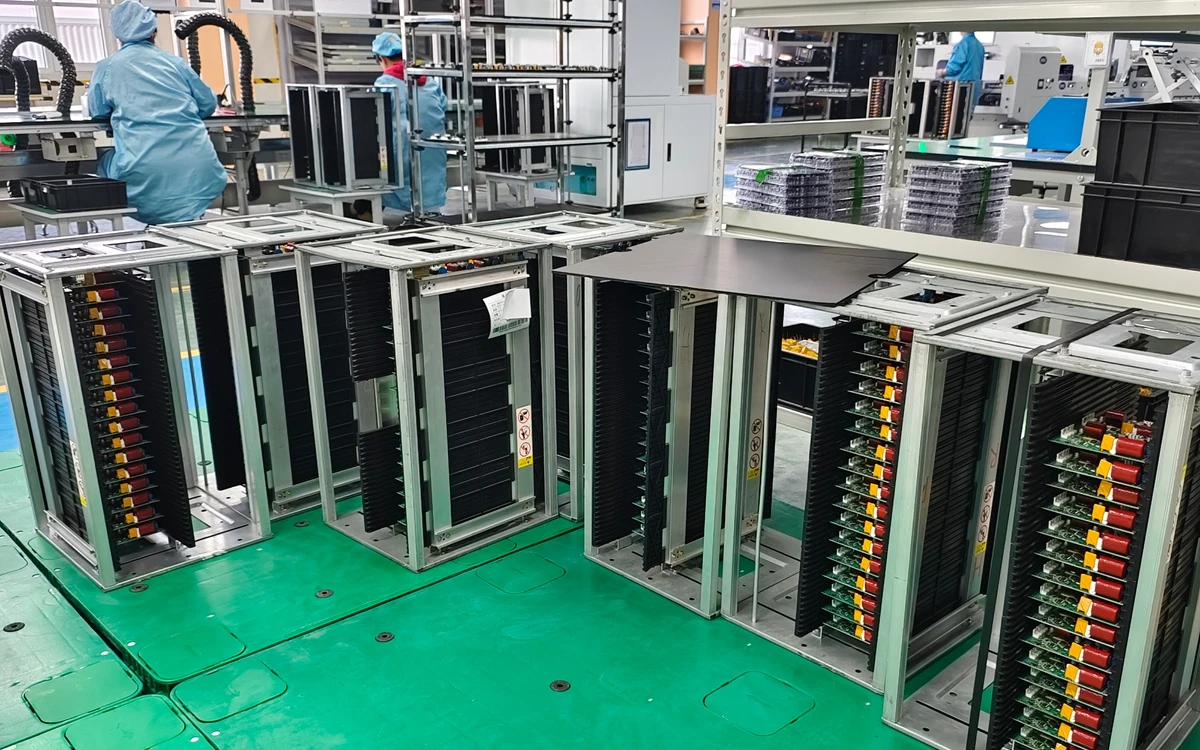
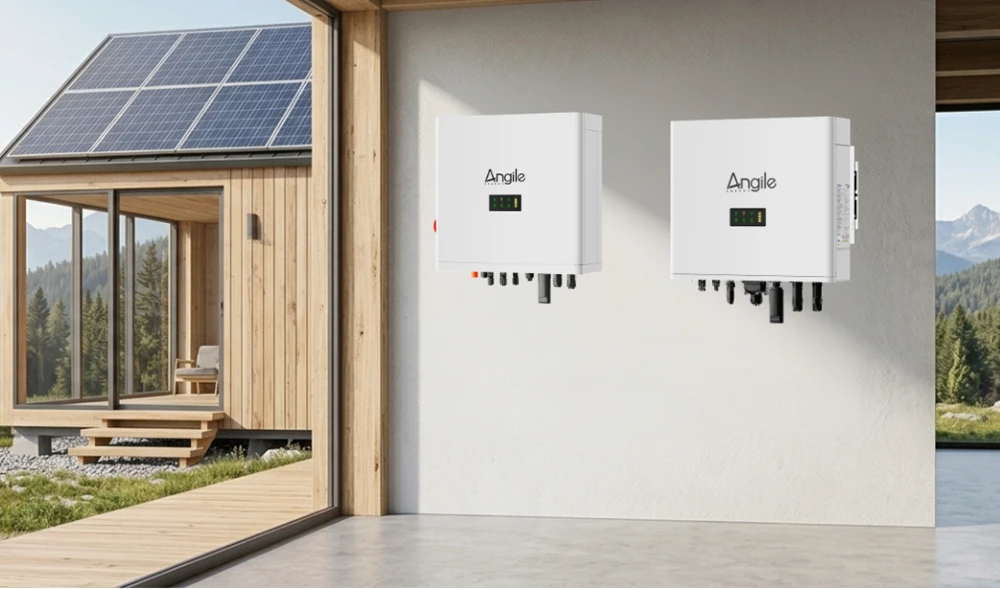
Angile Energy develops and manufactures its single-phase and three-phase residential hybrid inverters in its own factory, with in-house research and development covering the core PCS, BMS, and EMS (3S) technologies. This integrated design helps ensure consistent product quality, reliable performance, and smooth communication between system components.
Key features include:
One important point to note is that Angile Energy hybrid inverters are designed to work with Angile Energy battery systems. They are not intended for compatibility with third-party battery brands, allowing the inverter, battery, BMS, and energy management system to operate as one fully integrated solution.
Do hybrid inverters last as long as solar panels?
No. While solar panels often operate for 25 years or longer, most hybrid inverters typically last around 5-10 years and may need replacement once during the lifetime of the solar array.
Can a hybrid inverter be repaired?
Many issues, such as firmware errors, communication faults, or damaged external components, can be repaired. However, significant internal component failures may require replacement, particularly for older units.
Does adding a battery shorten inverter life?
Not necessarily. Hybrid inverters are designed to manage battery charging and discharging. When correctly sized and installed, operating with a compatible battery system should not significantly reduce their expected lifespan.
How can I make my inverter last longer?
Installing it in a cool, ventilated location, keeping it clean, monitoring system performance, and arranging periodic inspections can all help extend its service life.
A hybrid inverter is the control center of a home solar and battery system. Although it generally has a shorter lifespan than solar panels, choosing a well-designed product, installing it correctly, and performing simple maintenance can help ensure reliable performance for many years.
For homeowners looking for an integrated residential energy storage solution, Angile Energy's self-manufactured single-phase and three-phase hybrid inverters, paired with Angile Energy battery systems, provide a complete solution with intelligent energy management, scalable storage, and coordinated operation across the entire system.