
Three key factors decide how many hours your battery will last:
| Factor | Typical range | Why it matters |
| Usable capacity | 12–16 kWh (after 10‑20% reserve) | Most batteries protect lifespan by not discharging 100% |
| Household load | 1–3 kW average; peaks 5‑10 kW | More appliances running = shorter runtime |
| System efficiency | 85‑90% (inverter + BMS loss) | Reduces actual energy delivered |
Runtime (hours) = Usable energy (kWh) ÷ Average load (kW)
Example: 16 kWh usable ÷ 2 kW load = 8 hours
| What you want to power | Average load | Runtime (est.) |
| Fridge + lights + Wi-Fi (backup only) | 1 kW | 16 hours |
| Normal daily home use (3‑5 people) | 2 kW | 8 hours |
| Solar self-consumption + AC at night | 3 kW | 5.3 hours |
| Heavy tools + water pump | 4 kW | 4 hours |
Pro tip: In a blackout, turn off non‑essential circuits to double your backup time.
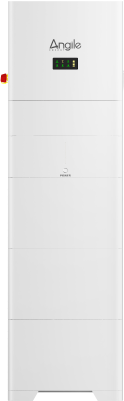
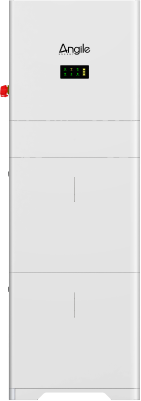
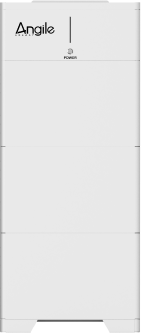
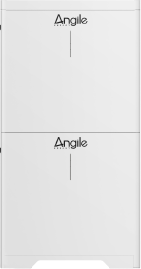
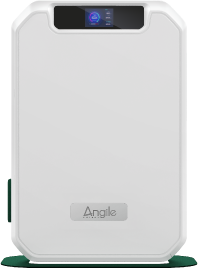
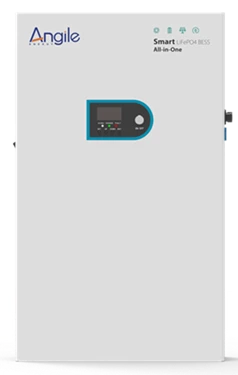
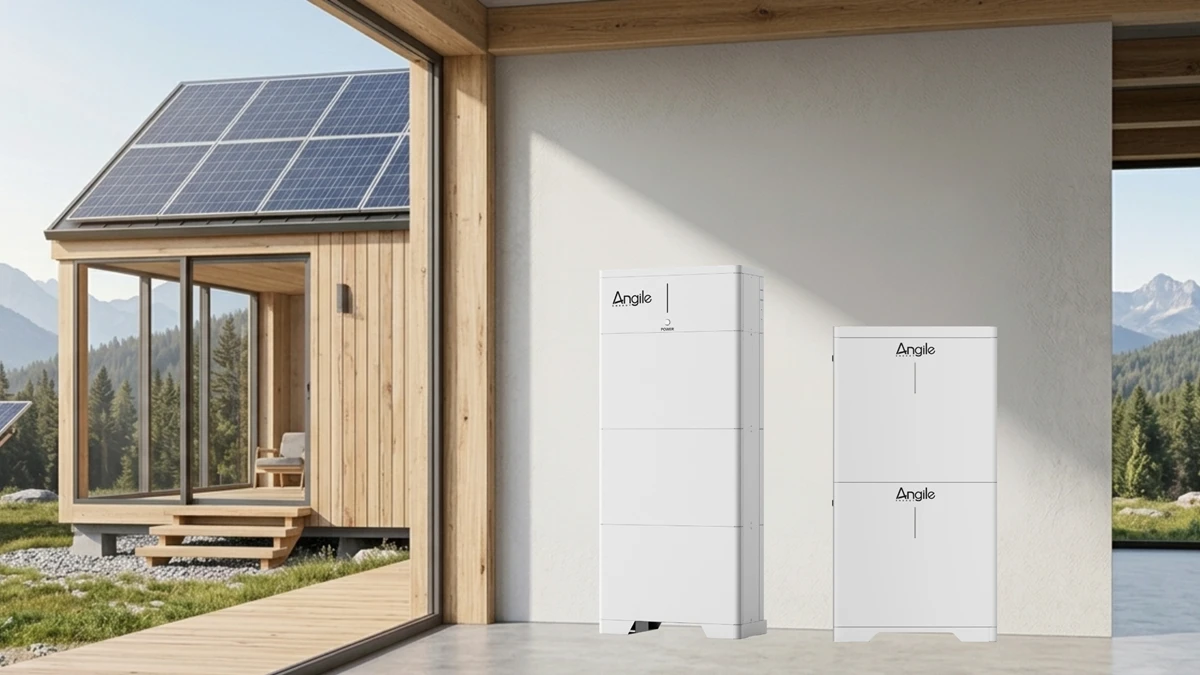
Runtime per charge is not the same as total battery lifespan. Angile Energy offers high‑quality LiFePO₄ batteries in both high‑voltage and low‑voltage options, all scalable. You can easily add more capacity in the future if your energy needs grow.
Check more on Top 5 Tips to Extend the Life of Your Solar Energy Storage System.
Can a 20kWh battery run a whole house?
Yes, for an average home (2kW continuous load) it will last 8‑10 hours. For whole-home backup including central AC or heat pump, you may need 30-40kWh.
How long will a 20kWh battery run a refrigerator only?
A modern fridge uses ~150-200W. With 16kWh usable, it could run 80-100 hours – but you’ll also power lights, router, etc.
How many solar panels to charge a 20kWh battery?
About 4-6 kW of solar (12-16 panels of 400W) to fully recharge in a sunny day.
Every home has different energy needs. Skip the hassle of comparing tons of data. Our team will calculate your precise backup hours based on your appliances and usage patterns, and give you the best product recommendation for your needs.