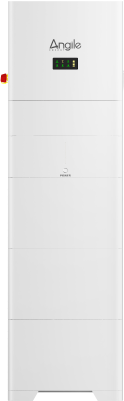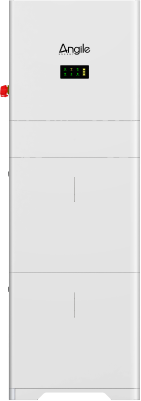

Installing rooftop PV paired with energy storage has become a necessity for many households to cut electricity bills and secure backup power. Yet most homeowners face a critical dilemma during installation: should they opt for low-voltage or high-voltage batteries for residential energy storage?
There are countless conflicting opinions online. Some claim low-voltage systems are safer, while others argue high-voltage setups consume less power and represent the future trend. In truth, neither option is inherently superior — the difference lies solely in suitability for specific scenarios. Based on real household power consumption patterns and industry standards, this article breaks down their core differences, pros and cons, and target user groups, so you can easily find the right match after reading.
First, let’s clarify the standard industry definitions. The mainstream low-voltage residential energy storage system adopts a 51.2V lithium iron phosphate battery. High-voltage residential energy storage refers to battery systems connected in series with a DC voltage ranging from 150V to 600V. Their fundamental distinction stems from basic electrical principles: at the same power output, higher voltage means lower operating current, along with reduced line loss and heat generation.
The low-voltage system is a well-established, mature solution for household energy storage. Its biggest strengths are low safety barriers, and simple installation.
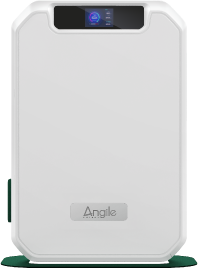
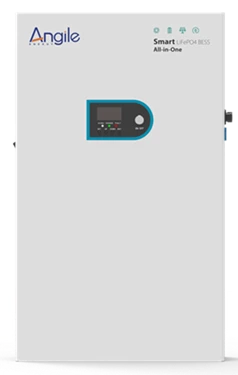
Designed below 60V extra-low voltage, it poses almost no risk of electric shock during routine installation and maintenance, offering high fault tolerance for construction. A full range of compatible low-voltage inverters are available at affordable prices, lowering overall equipment procurement and installation costs. Most models are wall-mounted with compact dimensions, ideal for commercial apartments and properties with limited installation space.
However, it has obvious drawbacks. When delivering high power output, operating current rises sharply, causing heat in cables and terminals and significantly increasing line losses. If your household requires sustained high-power loads above 10kW, thicker cables will be mandatory, erasing its cost advantages.
Moreover, low-voltage systems expand capacity by connecting multiple battery packs in parallel. Excessive parallel connections lead to inconsistent battery balancing and amplified internal resistance differences. There is a natural ceiling for power and capacity expansion, making it unsuitable for long-term heavy-load and large-capacity operation.
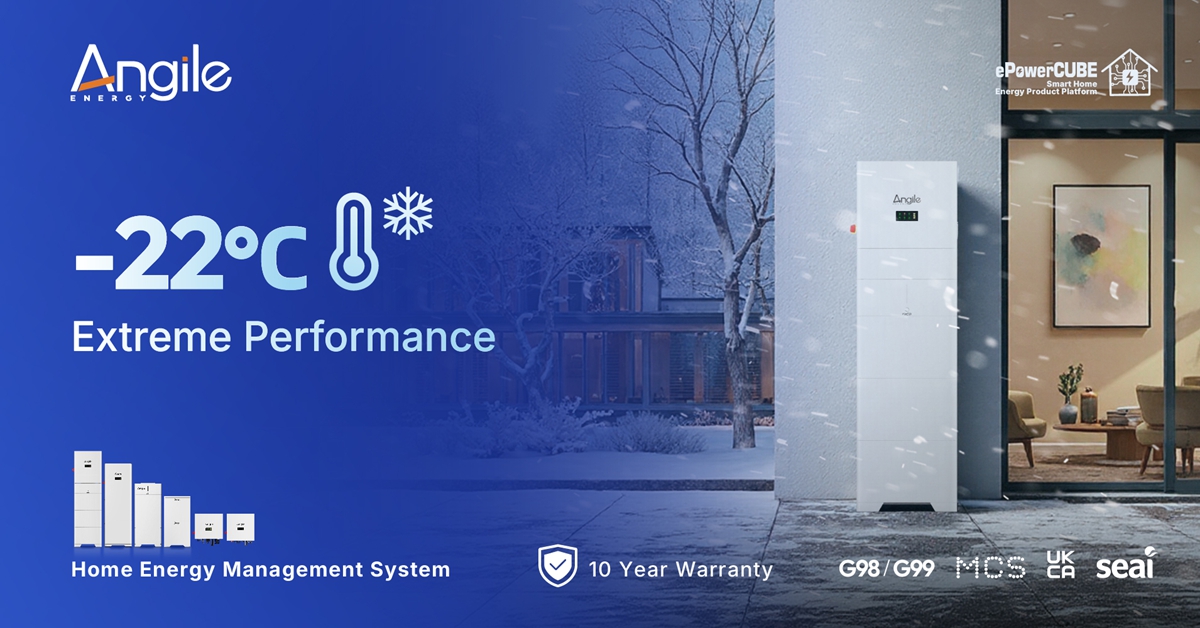
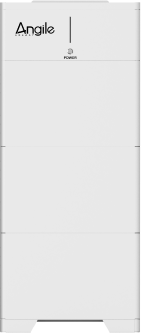
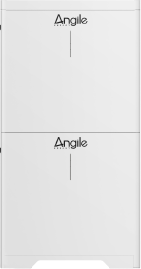
High-voltage systems excel at low energy loss, high efficiency, strong load capacity and flexible capacity expansion, making them the mainstream choice for premium residential energy storage and villa installations.
Thanks to the low-current characteristic of high-voltage designs, cable losses are 2%–5% lower than low-voltage systems under equal power output, delivering noticeable long-term energy savings. Thicker cables are unnecessary, terminals generate less heat, and the system operates with greater stability. Capacity expansion via battery series connection avoids parallel balancing issues. The system can easily support simultaneous operation of high-power household equipment, matching scenarios with home EV chargers, central air conditioning, heavy-duty heating and ventilation systems and other high-load devices.
In addition, high-voltage systems adapt well to frequent charge-discharge cycles. For households leveraging peak-valley electricity price differences to cut costs, the economic benefits will become increasingly prominent over time.
That said, the downsides are also prominent. DC voltages of several hundred volts create risks of electric shock and electric arcs. Strict requirements apply to BMS insulation monitoring, protective components and cabinet enclosures. Installation and maintenance must be carried out by certified professional technicians; unauthorized disassembly or modification is prohibited. Equipment also carries a higher unit price. Only dedicated high-voltage inverters are compatible, limiting product selection, and upfront investment is substantially higher than low-voltage alternatives.
Many homeowners make costly mistakes due to one-sided beliefs.
First, low voltage does not equal absolute safety. While low voltage eliminates fatal electric shock risks, high-current short circuits, substandard wiring and poor-quality terminals can still trigger overheating and fire hazards. Safety ultimately depends on product quality and construction standards.
Second, higher efficiency of high-voltage systems does not suit everyone. For households with medium-to-small capacity demands (5–10kWh) and low daily power loads, the annual electricity cost difference caused by system losses between high and low voltage is negligible. There is no need to pay extra for redundant performance.
When selecting residential energy storage, “higher-end” does not always mean better. For small homes with light loads, a mature and stable low-voltage system is fully sufficient and delivers outstanding value. For large properties with heavy loads and long-term peak-valley arbitrage plans, the efficiency and stability advantages of high-voltage systems can be fully realized.
Whichever option you pick, stick to the bottom line: select compliant lithium iron phosphate products equipped with complete protection systems. Avoid uncertified no-brand goods and hire qualified professional teams for installation. An energy storage system serves over a decade. Choosing one that fits your household power habits matters far more than chasing marketing hype.