
From the previous blog, we understand the function and role of MPPT. Selecting the appropriate MPPT charge controller is crucial for optimizing the performance of a photovoltaic (PV) power system.
Generally, when making a selection, the following key factors should be considered:
The rated power of the MPPT controller should match the total power of the photovoltaic system. Ensure the controller can handle the output power of the PV modules at their Maximum Power Point (MPP). Typically, the controller’s power capacity should be higher than the maximum power of the PV system to prevent overloading.
If the PV system includes energy storage (such as batteries), ensure the MPPT controller is compatible with the specific battery chemistry being used, such as Lead-acid, Lithium-ion, or Nickel-cadmium batteries. Different batteries require different charging profiles.
Choose an MPPT controller that fits your specific system architecture, whether it is an Off-grid, Grid-tied, or Hybrid system. Check more for How to choose the right solar system: on-grid, off-grid, or hybrid?
Understand the specific MPPT algorithm used by the controller, such as Perturb and Observe (P&O) or Incremental Conductance (INC), and evaluate its performance. Choose an algorithm that best suits your system's dynamic requirements.
Select a controller with high conversion efficiency, typically 95% or higher. A high-efficiency controller ensures that the maximum amount of energy from the PV modules is converted into usable power with minimal heat loss.
Consider whether you need a controller equipped with an integrated LCD display or remote monitoring capabilities (such as Bluetooth, Wi-Fi, or RS485). This allows for real-time tracking of the system’s operational status and historical performance.
Ensure the controller includes robust protection features, such as:
These safeguards are essential to ensure the long-term safety and reliability of the entire system.
Ensure the controller can operate reliably within the temperature extremes of your installation site. Certain harsh environments may require controllers with an extended operating temperature range.
Select an appropriate protection rating based on the installation environment (e.g., IP65 or IP67) to ensure the controller is sufficiently protected against dust and water.
After comprehensively considering the factors above, the appropriate number of MPPT channels should be selected based on specific project requirements.
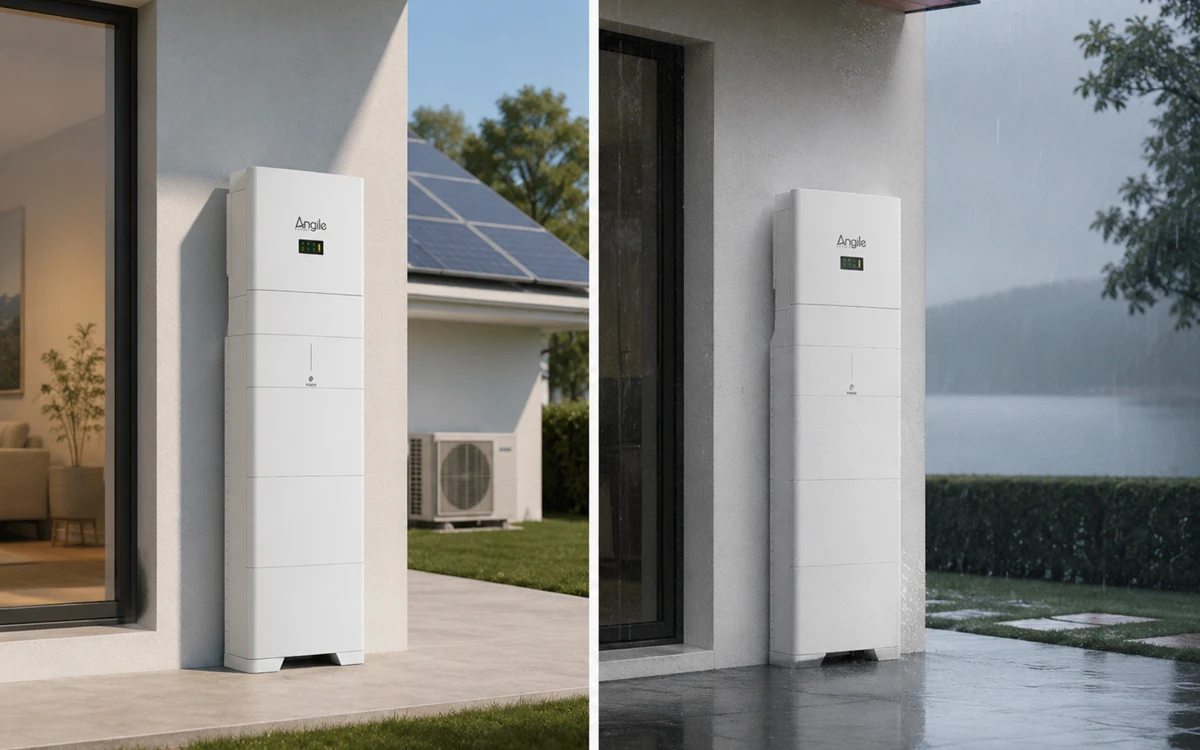
Suitable for simple installation environments, such as:
Suitable for more complex installation environments, such as:
Suitable for highly complex installation environments, including: