
Solar energy systems are a long-term investment. But real performance is not only about panel wattage. Many hidden factors affect how much electricity your system actually produces every day.
Understanding these factors helps homeowners design a more efficient and stable energy system.
In this guide, we explain the most important factors that influence solar system performance, and how modern residential storage solutions like Angile Energy help improve efficiency and stability.
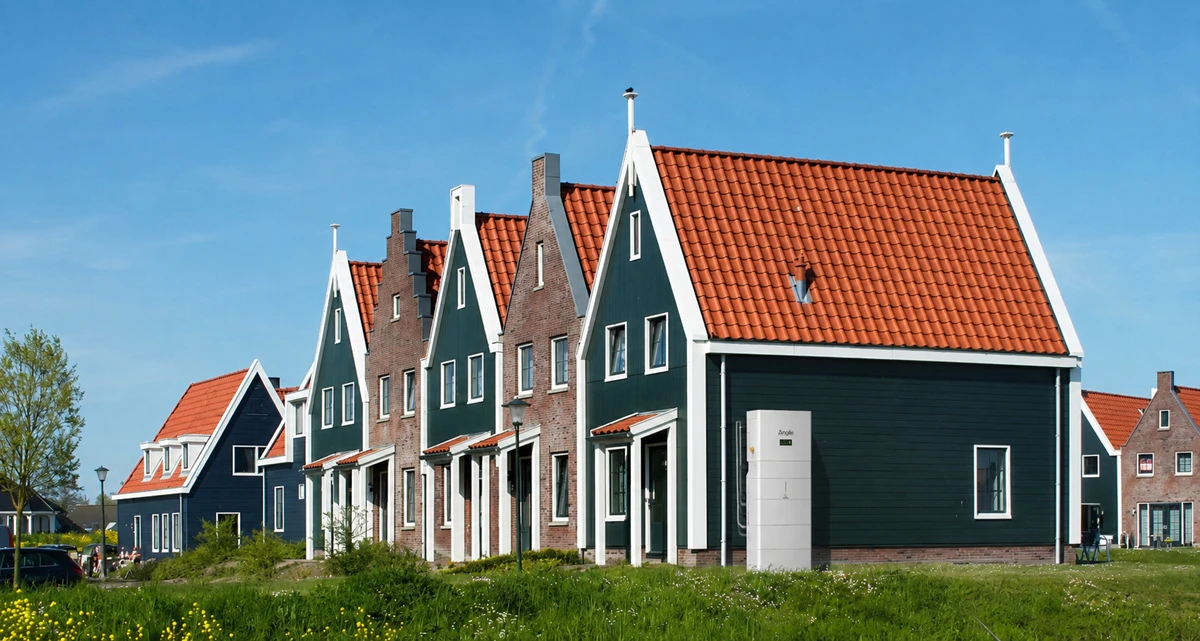
Solar irradiance refers to how strong the sunlight is in your location.
More sunlight means higher electricity generation. But irradiance is not constant. It changes due to:
In Northern and Central Europe, for example, winter irradiance is much lower than in summer. This makes energy storage even more important for stable supply.
A smart energy storage system helps store excess summer energy for later use, improving annual energy balance. If the power generation for the year is over or under the target, it is very likely because the total solar radiation for that year shifted from the average.
Many people think more sun always means more power. That is not always true.
High temperatures can reduce solar panel efficiency. When panels get too hot:
In hot climates, performance losses can reach up to 10–25%.
Hybrid inverter systems with smart monitoring help optimize performance and reduce thermal losses through better energy management. To avoid the impact of temperature on power generation, make sure to keep the modules well-ventilated.
The position of solar panels has a direct impact on energy production.
Key factors include:
Tilt angles differ by location, so local installers will know the best angle for the modules. On pitched roofs, panels are often laid flat against the roof to save on mounting equipment and look more visually appealing, so the tilt angle isn't a factor.
Even a small installation error can significantly reduce yearly output. Proper system design is essential. Angile Energy supports installer networks across Europe to ensure correct system configuration from day one.
Shading is one of the most common causes of power loss.
The panels of crystalline silicon modules are made of tempered glass. Because they are exposed to the open air for long periods, organic matter and large amounts of dust naturally accumulate on them.
Dust accumulation blocks light, reducing output efficiency and directly impacting power generation. It can also cause the hot spot effect, leading to module damage.
The following factors can reduce system output significantly:
All solar panels slowly lose efficiency over time.
After 20–25 years, total output reduction becomes noticeable.
Long-life systems with smart monitoring help track performance decline early, allowing better maintenance planning and system optimization.
The inverter is one of the most important components in a solar system. To keep your solar station running well, choosing the right inverter is critical.
When choosing one, you should look at the solar system's technical details and the maker's manual. You also need to check these four main things: 1. Rated output power, 2. Voltage control, 3. Overall efficiency, and 4. Startup performance.
Modern systems use advanced MPPT to maximize energy harvest.
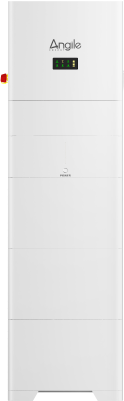
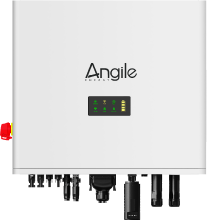
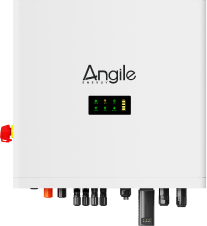
Angile Energy hybrid inverters integrate battery management and real-time monitoring, helping homeowners optimize both consumption and storage.
Beyond individual components, overall system design has a major impact on performance.
Poor system design leads to energy loss, while optimized design improves long-term ROI.
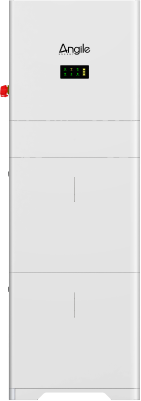
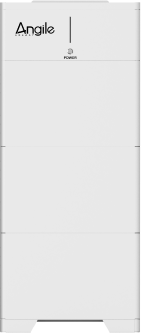
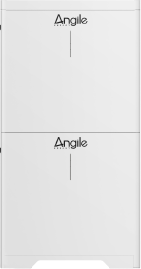
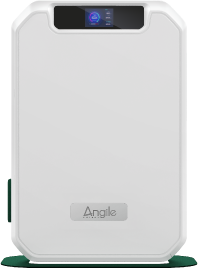
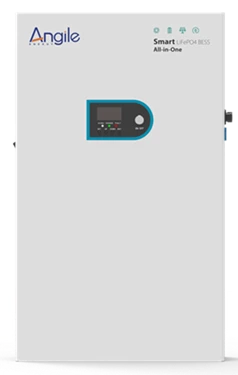
Angile Energy provides all-in-one residential energy storage systems, combining:
This integrated design improves efficiency, installation simplicity, and long-term performance stability.
Solar panel output is only part of the equation. Real-world performance depends on many connected factors:
To achieve stable and high efficiency, homeowners need more than panels—they need a complete energy system.
Angile Energy delivers integrated residential energy storage solutions designed for European homes, helping users maximize solar efficiency, improve energy independence, and prepare for future energy needs.