
In simple terms, having solar panels is becoming the norm. In the Netherlands, approximately three-quarters of all eligible homes will have solar panels in 2026 (DNE Research), one of the highest rates in the world.
However, most of these setups only provide "real-time" energy. This means your appliances use the free sunshine while it’s hitting the panels, but any extra electricity often goes to waste or is sent back to the power grid for very little credit.
The answer is yes. Instead of letting that extra power slip away, a home battery storage system acts like a "energy bank."
This "solar + storage" combination is quickly becoming the standard for modern homes because it gives you independence from rising energy prices and ensures your green energy doesn't go to waste.
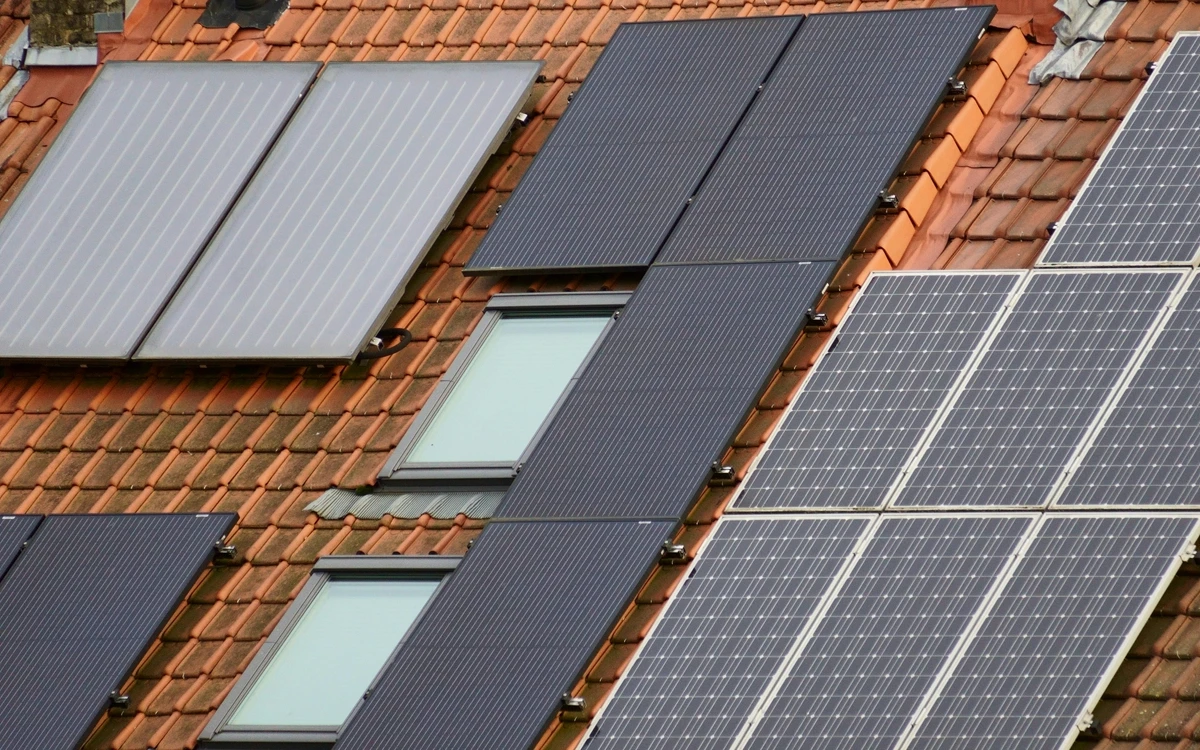
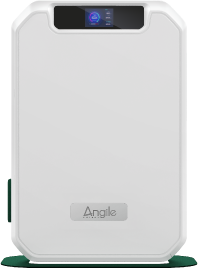
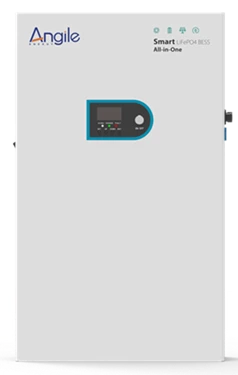
Simply put, a home energy storage system is like a "power bank" for your house. It includes batteries, a battery management system, and an inverter, usually working together with rooftop solar panels.
A typical "Solar + Storage" system works:
Key Technical Details:
Without a battery, you usually only use about 40% of the solar energy you produce because you aren't home during the day when the sun is out. The rest is sold back to the grid for very little. With a battery, you save that extra power for the evening, increasing your usage to over 90%. Every bit of energy you produce stays in your home.
In many areas, electricity prices change throughout the day. It might be 2–3 times more expensive at night than during the day. A battery lets you charge up when electricity is cheap (or free from the sun) and use it when grid prices are highest. It’s like a smart wallet that saves you money every single day.
As extreme weather happens more often, power grids can become unreliable. A home battery acts like a "safety net." If the grid goes down, your system automatically switches to "Off-Grid Mode," keeping your fridge, lights, and phones running for hours or even days.
"While the whole city was in the dark, my house still had power. All my neighbors came over to charge their phones!"
The price gap between day and night electricity is getting wider, making batteries a smarter investment than ever. Additionally, many regions now offer subsidies or cash back to help homeowners install storage systems. Governments are pushing for these "mini-power plants" to help create a greener, more stable energy future.
A home battery is not a regular household appliance. If installed incorrectly, it can lead to fire or electric shocks.
Where you install your battery depends on its protective rating and your home's layout:
Indoor Installation:
Outdoor Installation:
As solar systems shift from just "making power" to "making and storing power," home batteries are changing from an optional luxury into a standard appliance. It is no longer just a hobby for eco-enthusiasts, but a smart, financial choice for everyday families.
It perfectly checks three major boxes: saving money, providing backup power, and protecting the environment.
In the near future, every house will be its own mini-power plant—generating, storing, and using its own electricity. This future is already becoming a reality.
Smart, Scalable, and Reliable Energy Storage Systems
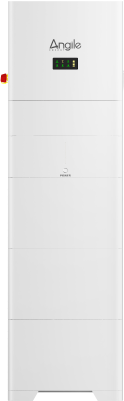
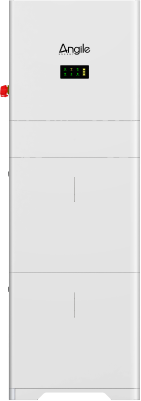
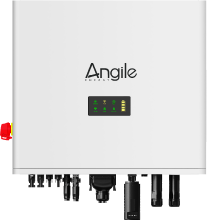
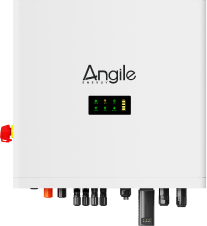
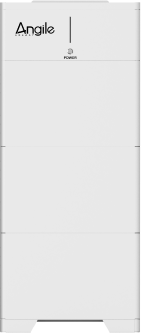
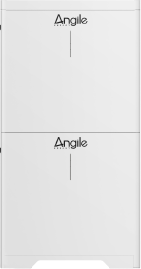
Angile’s residential energy storage solutions are built around 5kW–12kW hybrid inverters (PCS), compatible with both low-voltage (such as 51.2V) and high-voltage battery packs.
Users can start with a compact 5kWh setup and easily expand the system to 20–30kWh or more through modular battery additions.
The system supports off-grid operation, intelligent monitoring, and remote firmware upgrades, helping homeowners achieve greater energy independence and smarter energy management.
For commercial and industrial applications, Angile offers standardized outdoor liquid-cooled all-in-one cabinets in two main configurations: 105kW / 233kWh and 250kW / 500kWh.
These systems utilize high-performance Lithium Iron Phosphate (LFP) battery cells operating on a high-voltage platform of approximately 700–900V, while connecting to a 380V low-voltage distribution grid.
The “single cabinet as a power station” design ensures fast deployment and allows multiple cabinets to operate in parallel for larger-scale energy storage requirements.
For MW/MWh-scale projects, Angile adopts customized containerized integration solutions by combining multiple 250kW / 500kWh standard units into large-scale systems.
This highly integrated architecture enables rapid deployment and reliable operation for grid-level applications such as:
• Grid peak shaving and frequency regulation
• Renewable energy integration
• Utility-scale energy management
The solution provides scalability, operational efficiency, and strong support for modern smart grids.